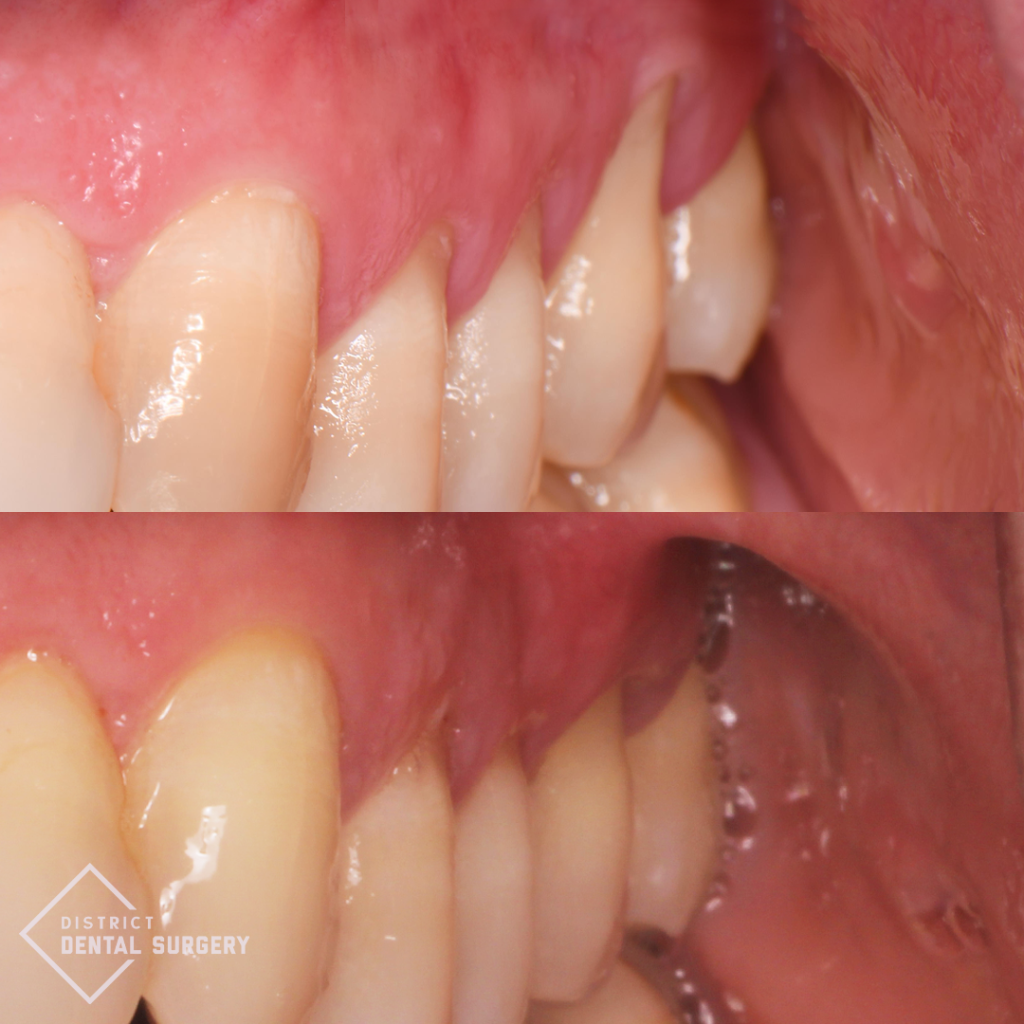
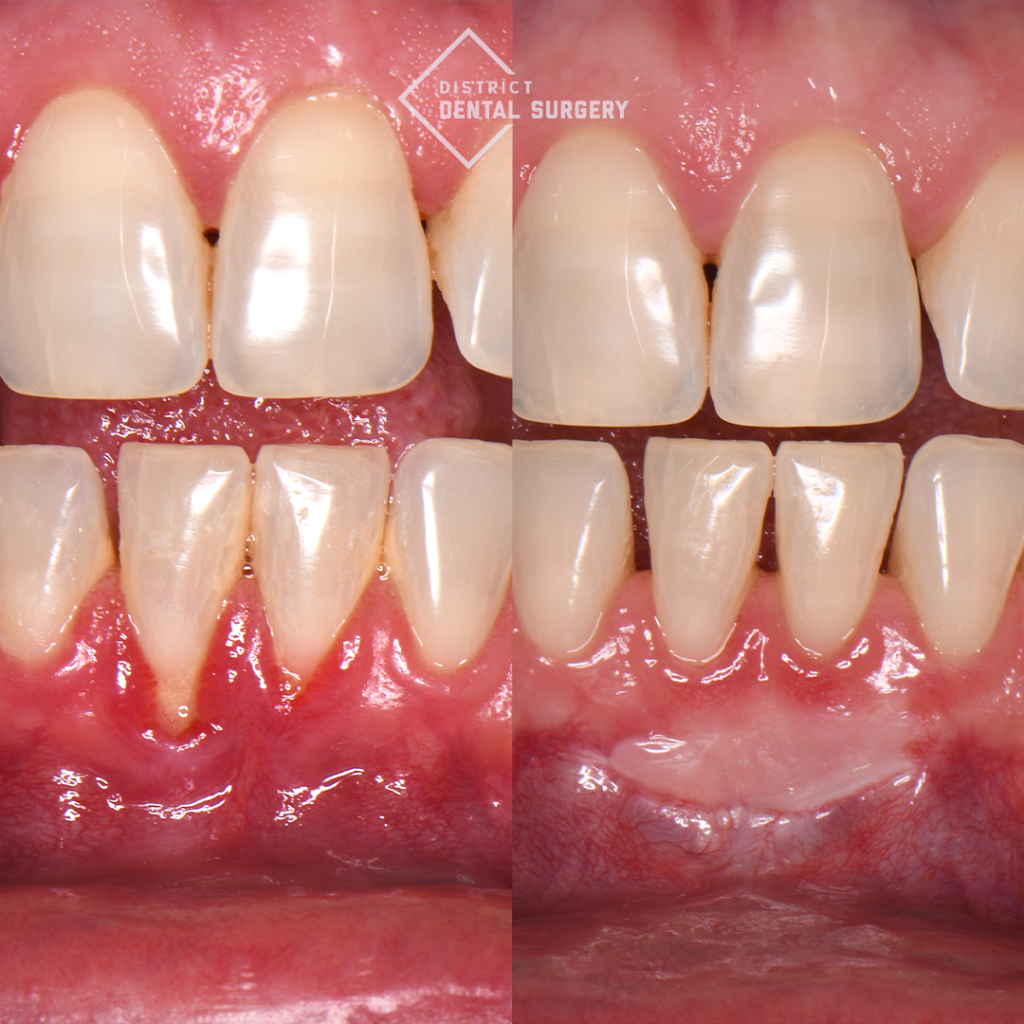
What Causes Gum Recession?
Have you noticed your teeth looking longer or more sensitive than they used to? That’s often a sign of gum recession. This can happen for many different reasons. Let’s talk about the causes of gum recession, why it happens, and treatment options.
Understanding Gum Recession
What is Gum Recession?
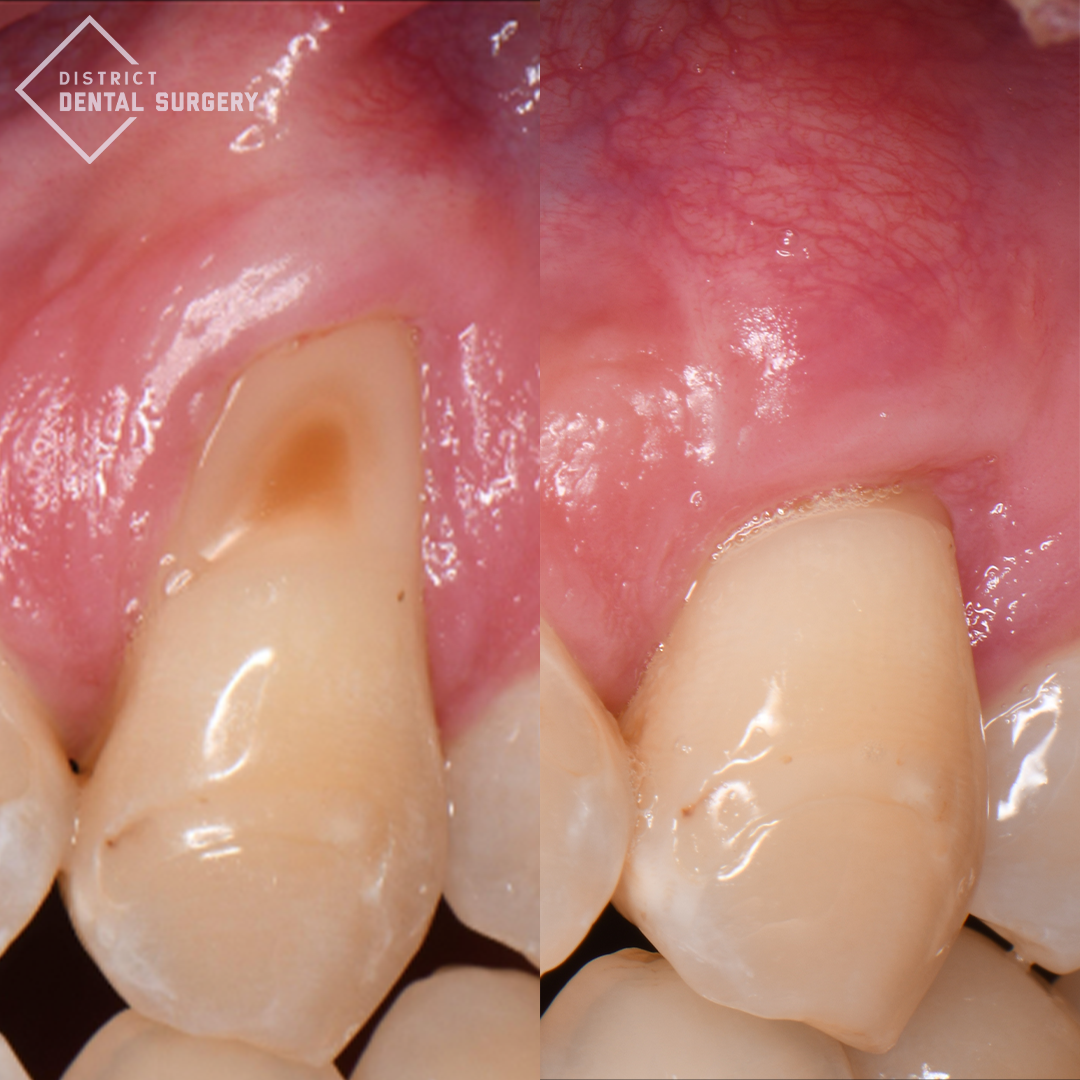
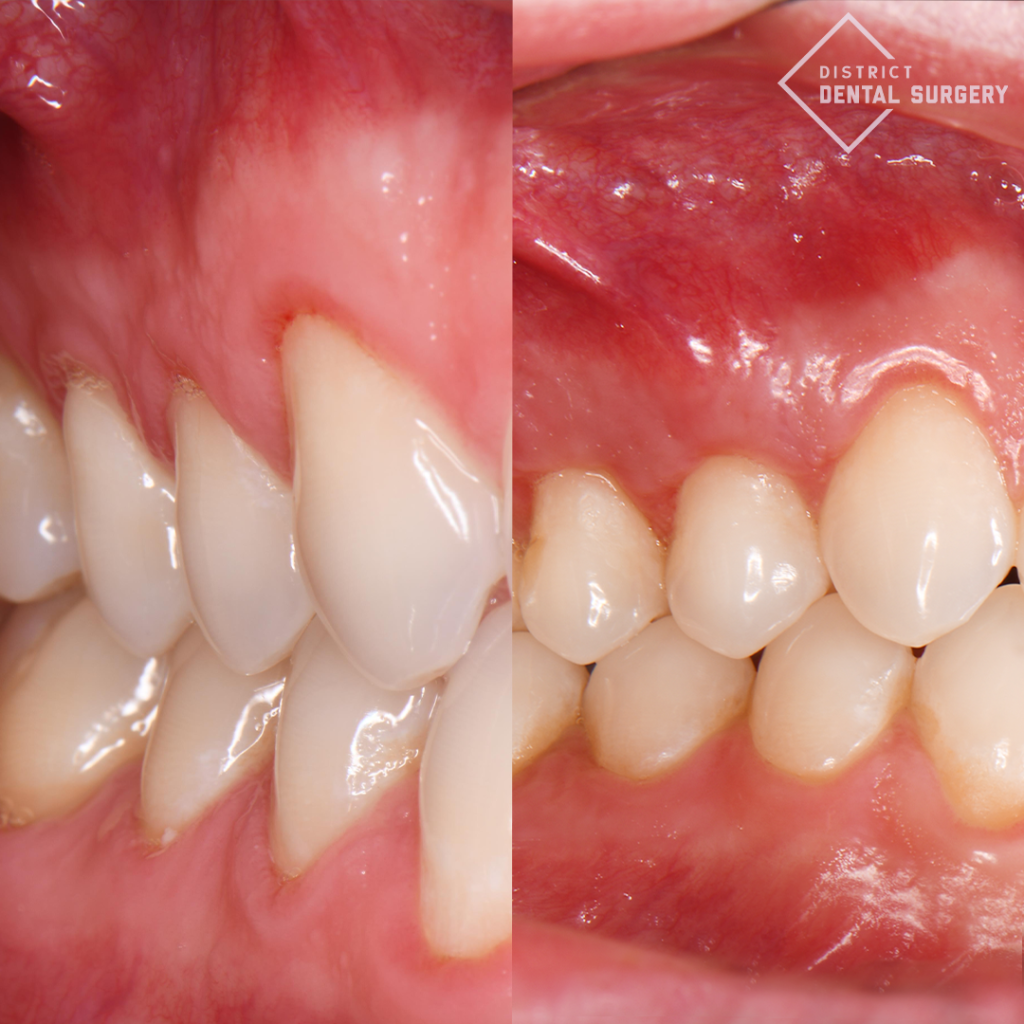
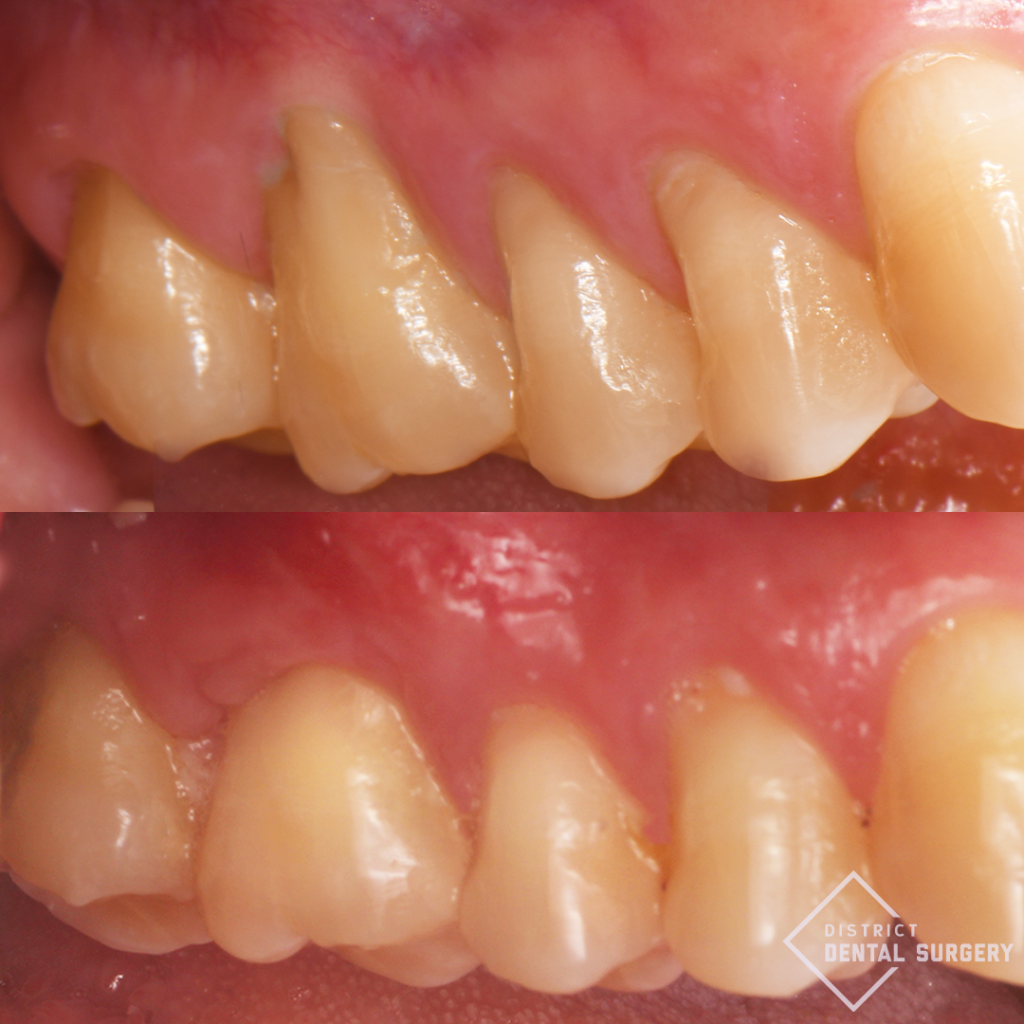
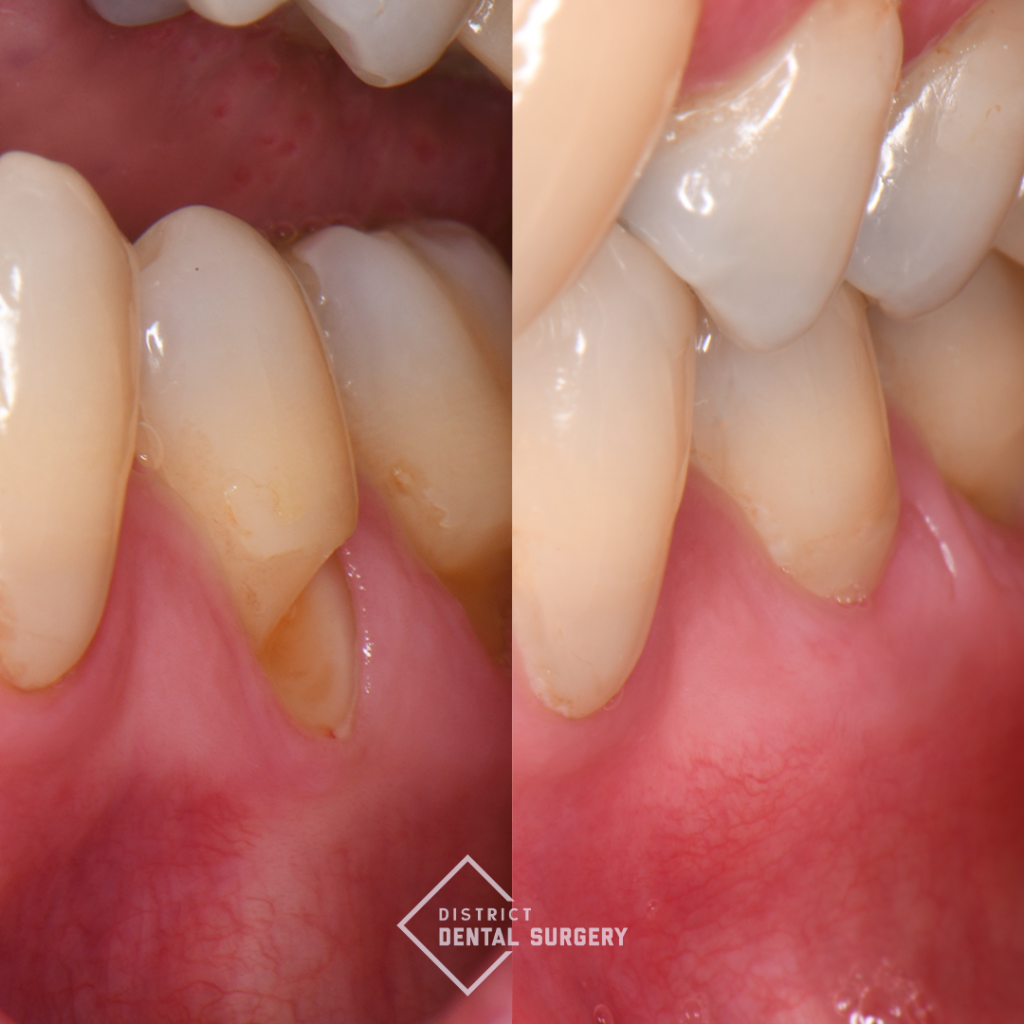
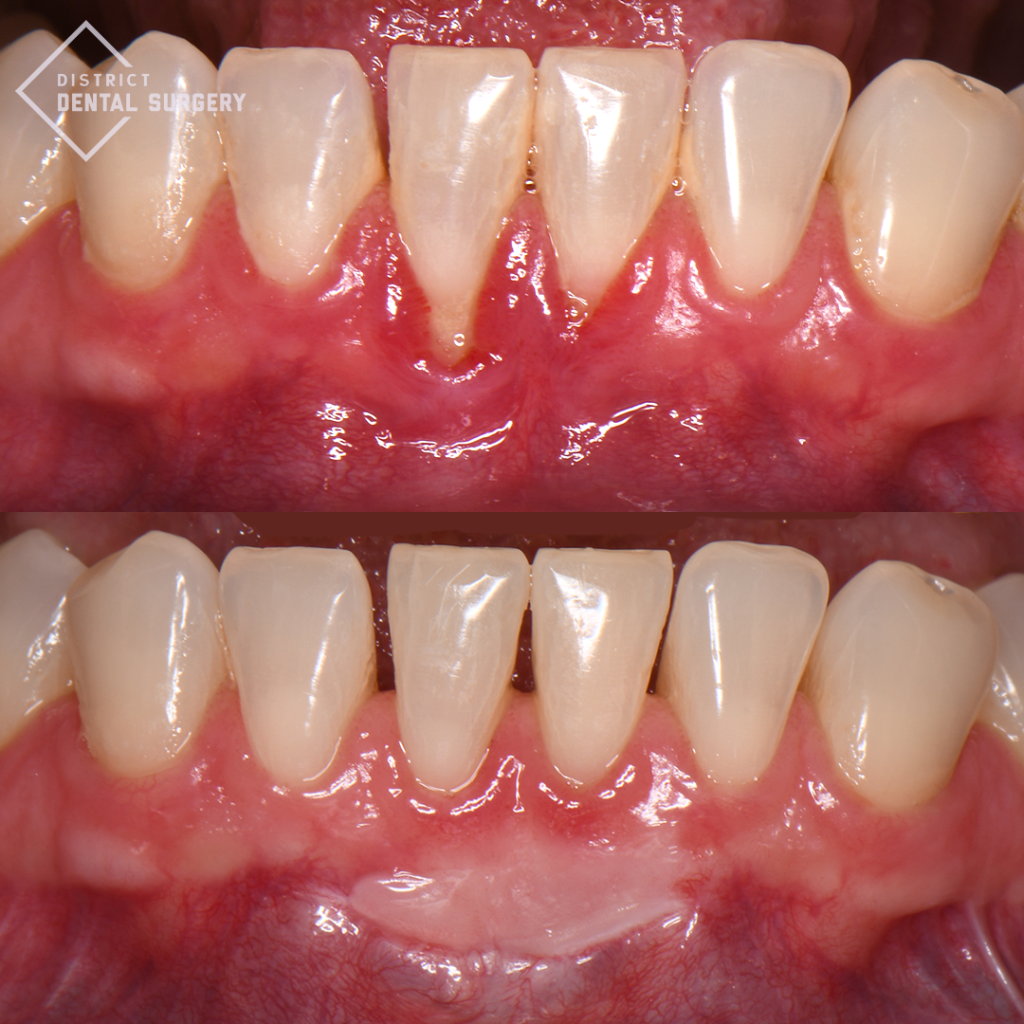
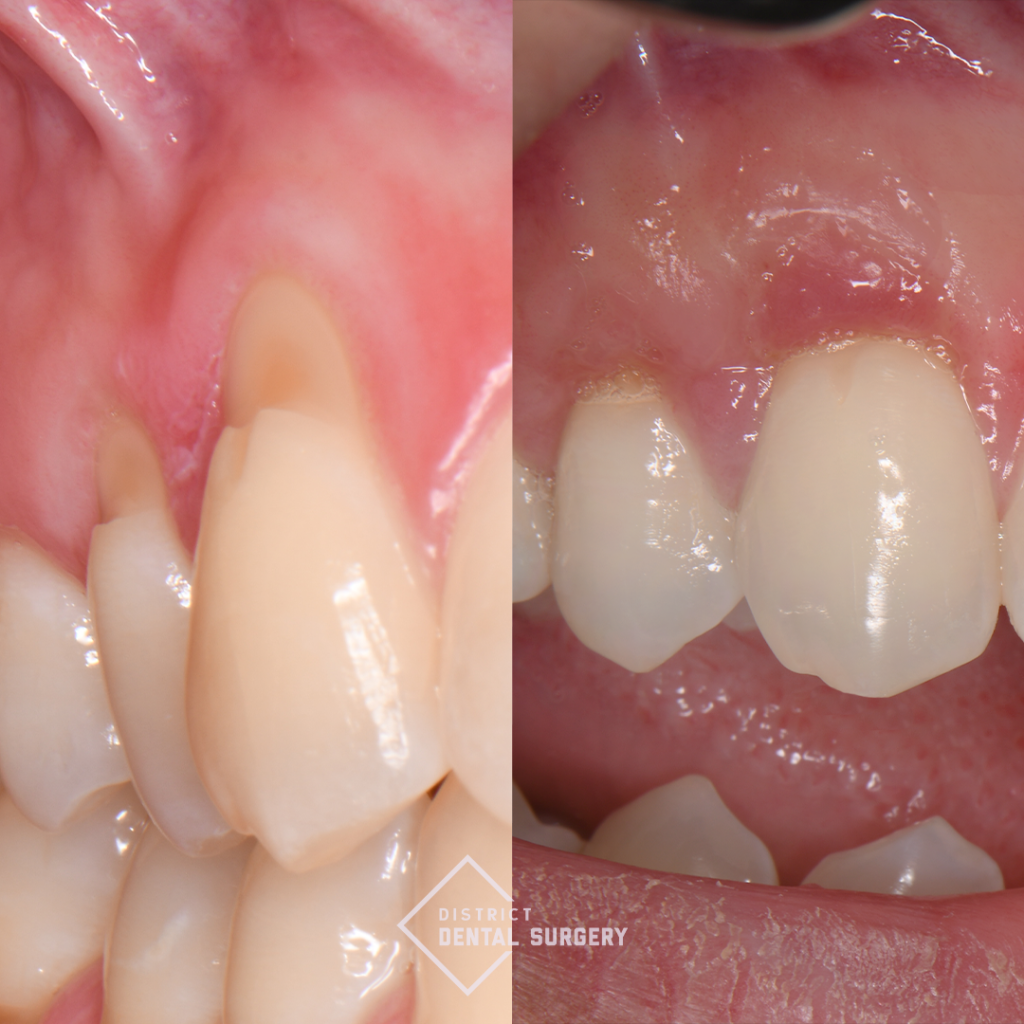
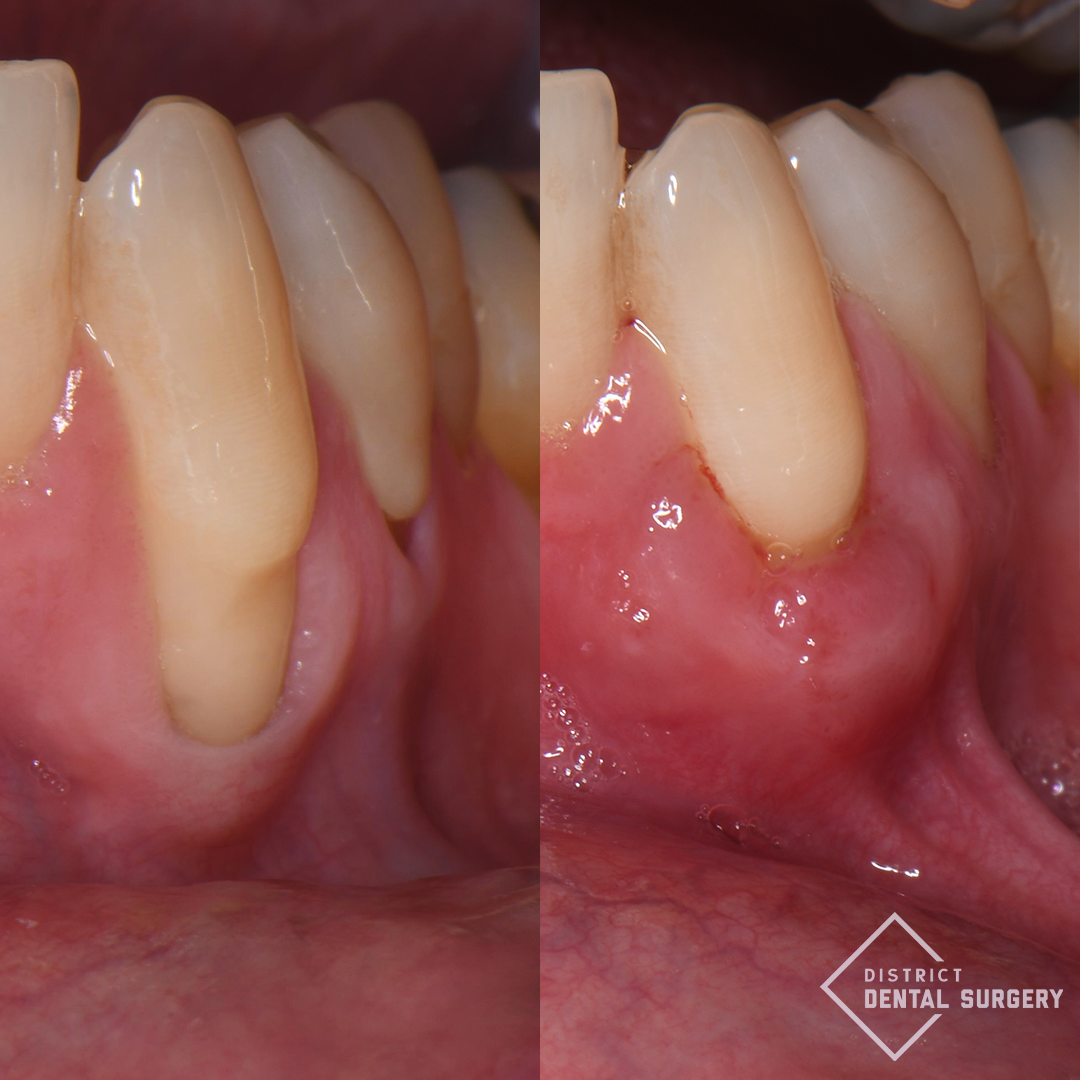
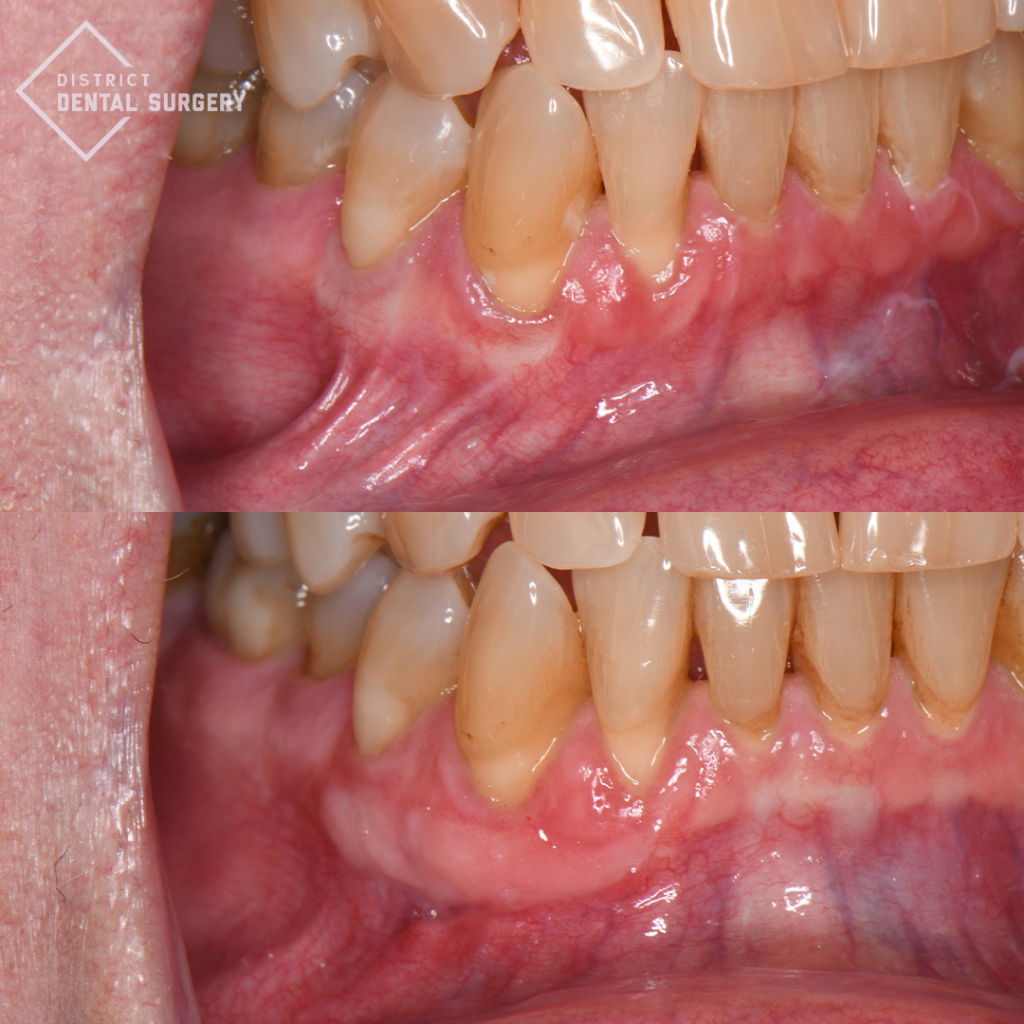
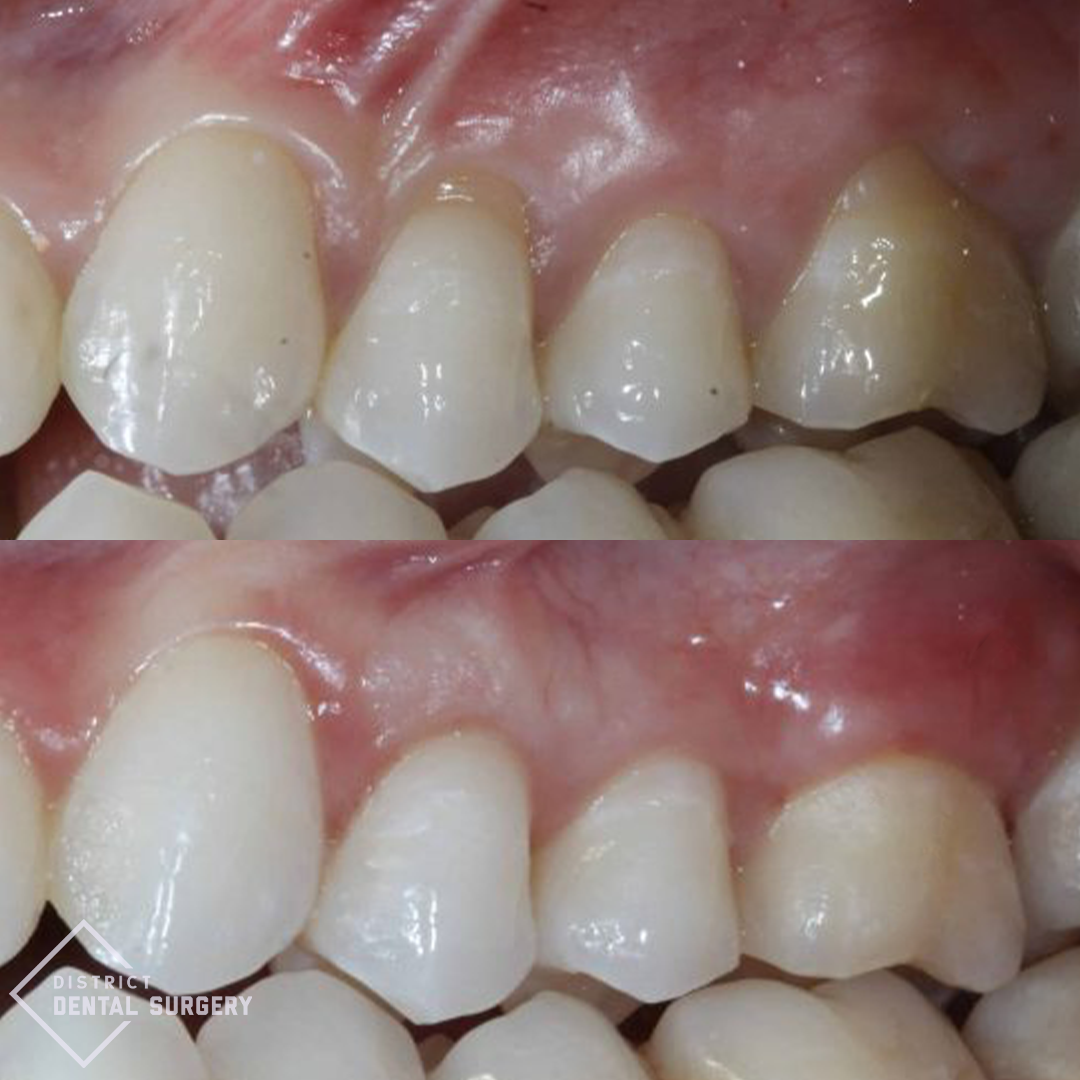
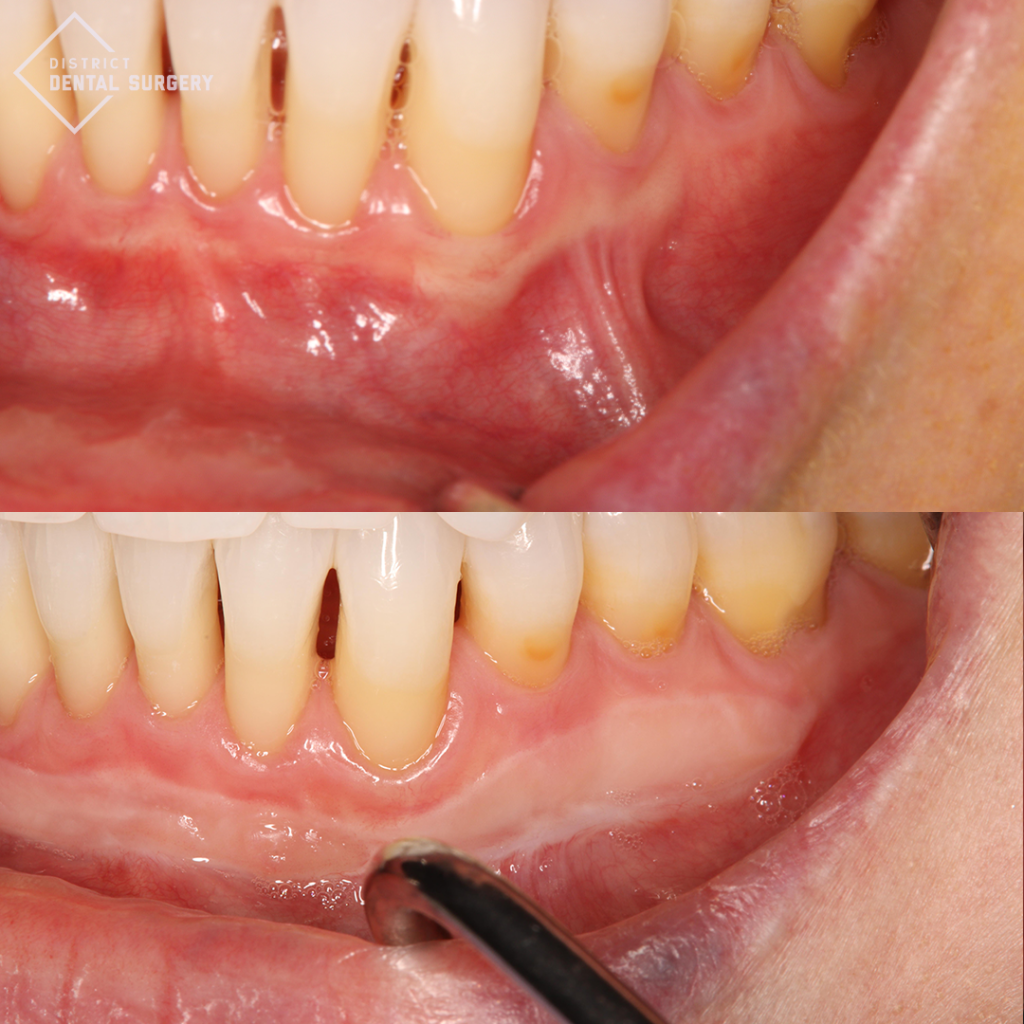
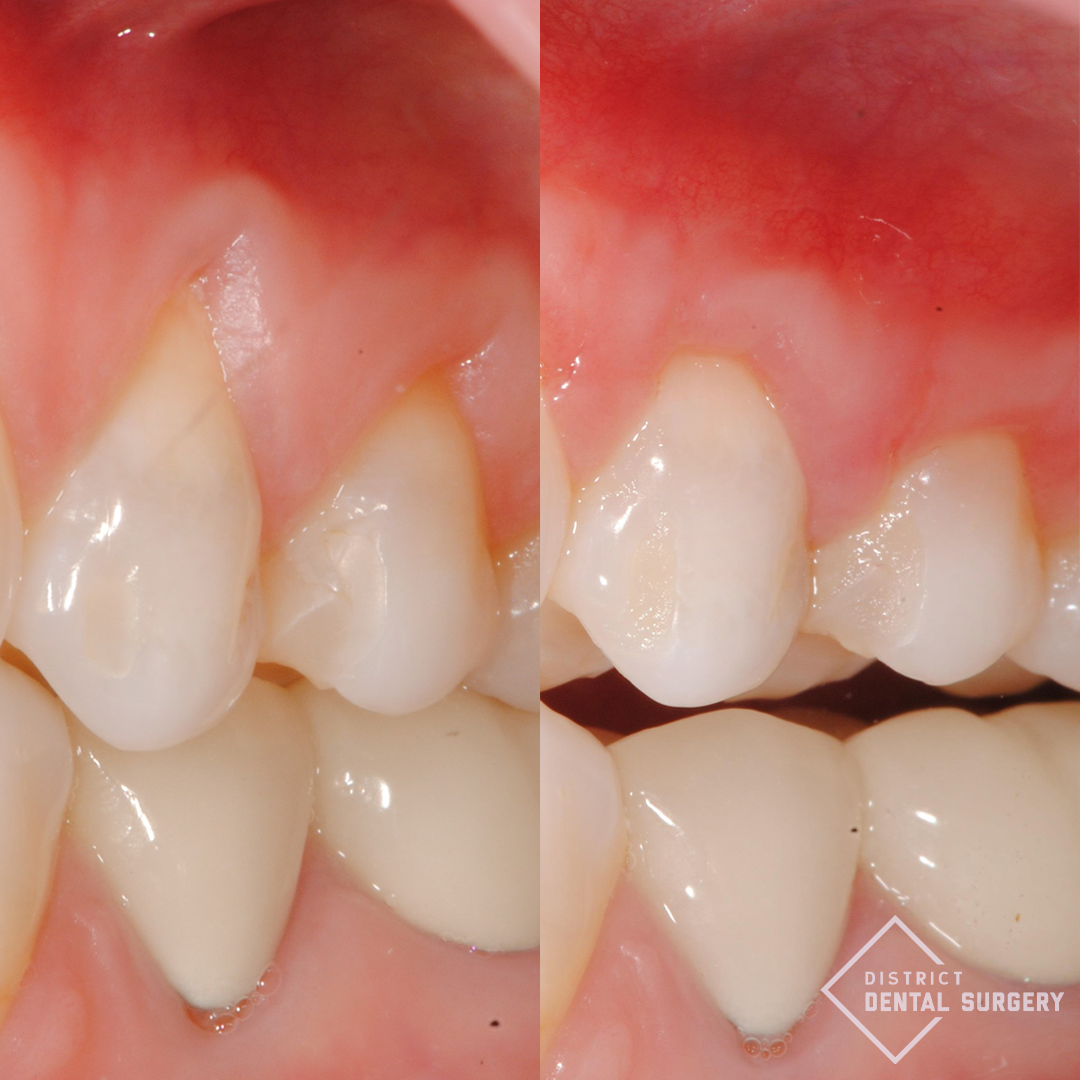
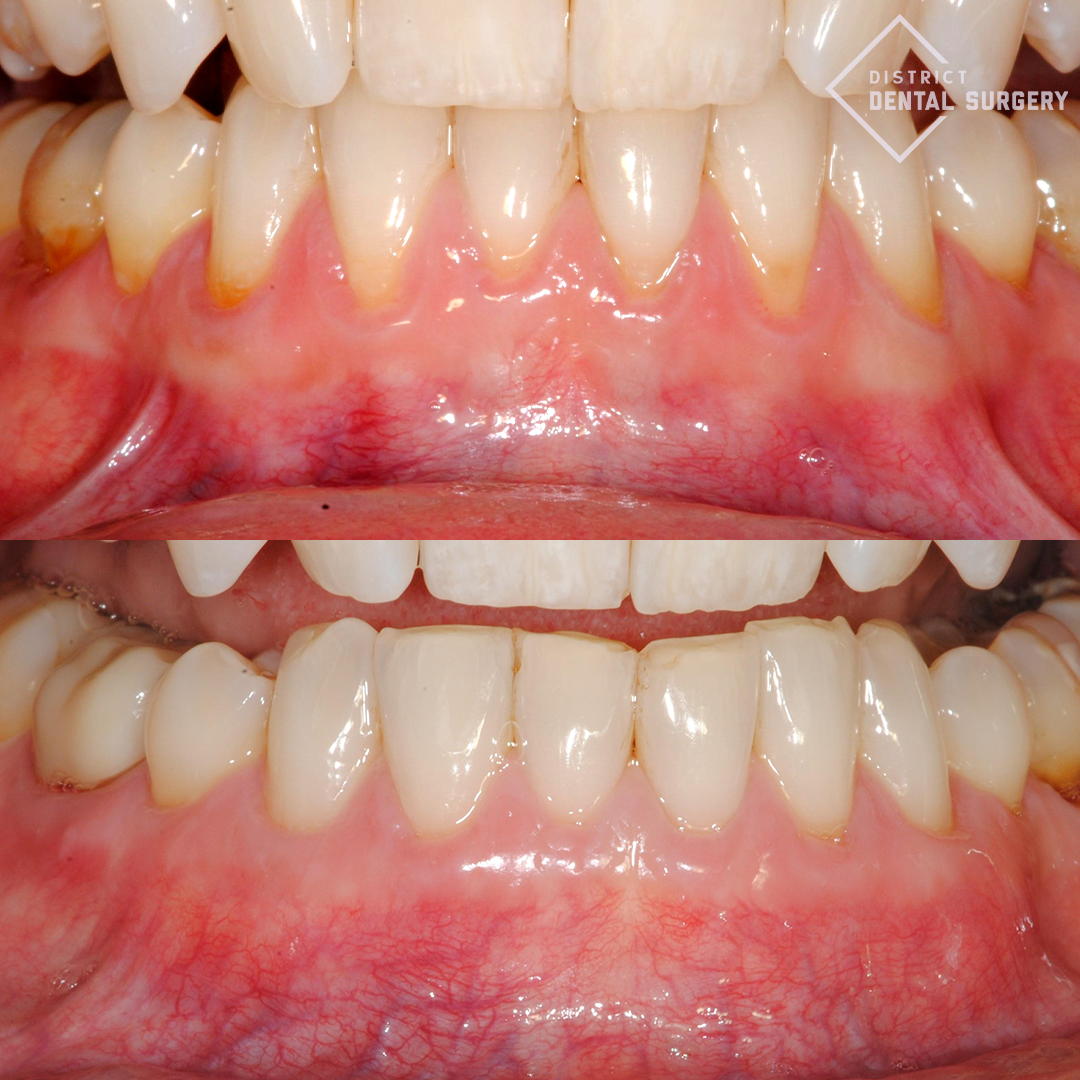
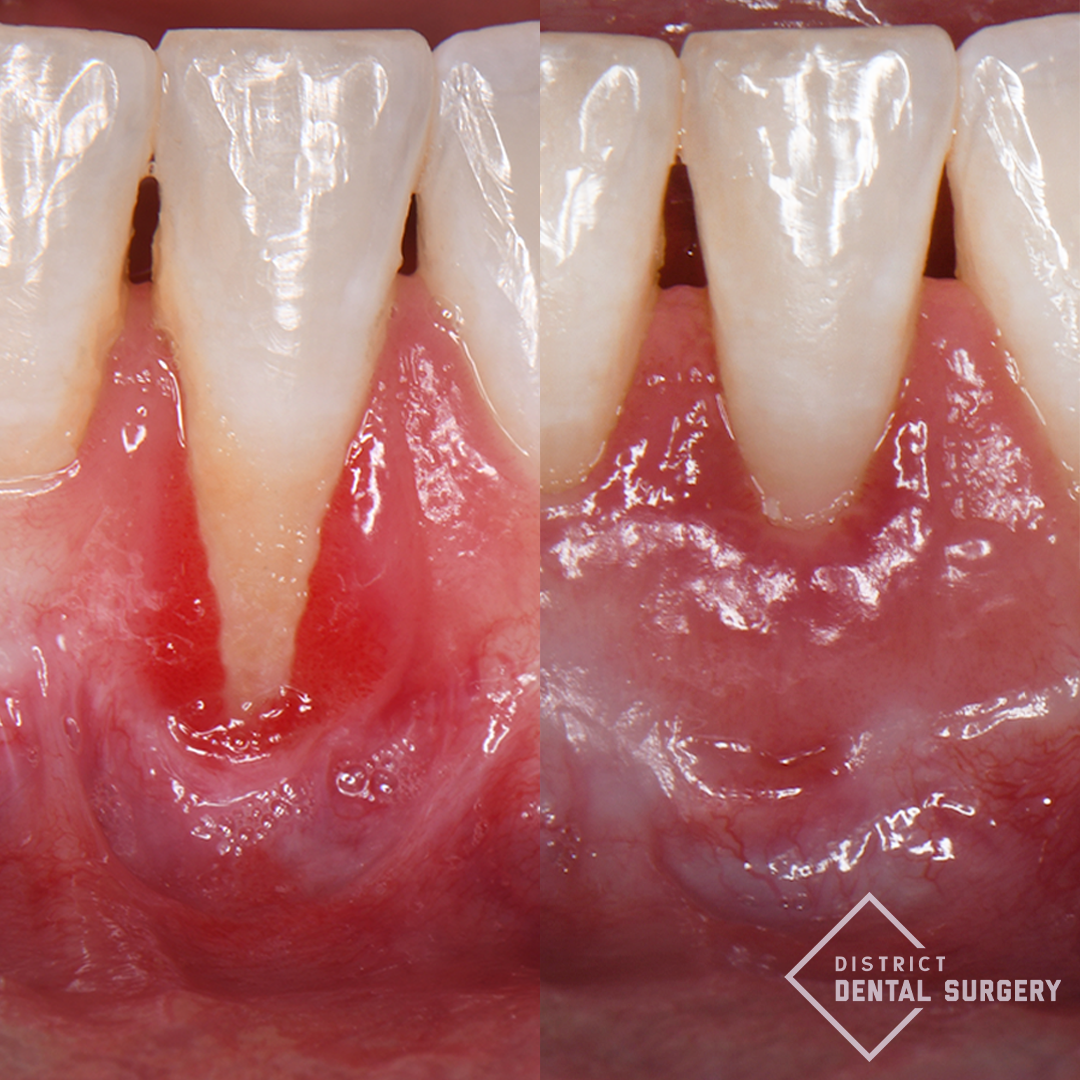
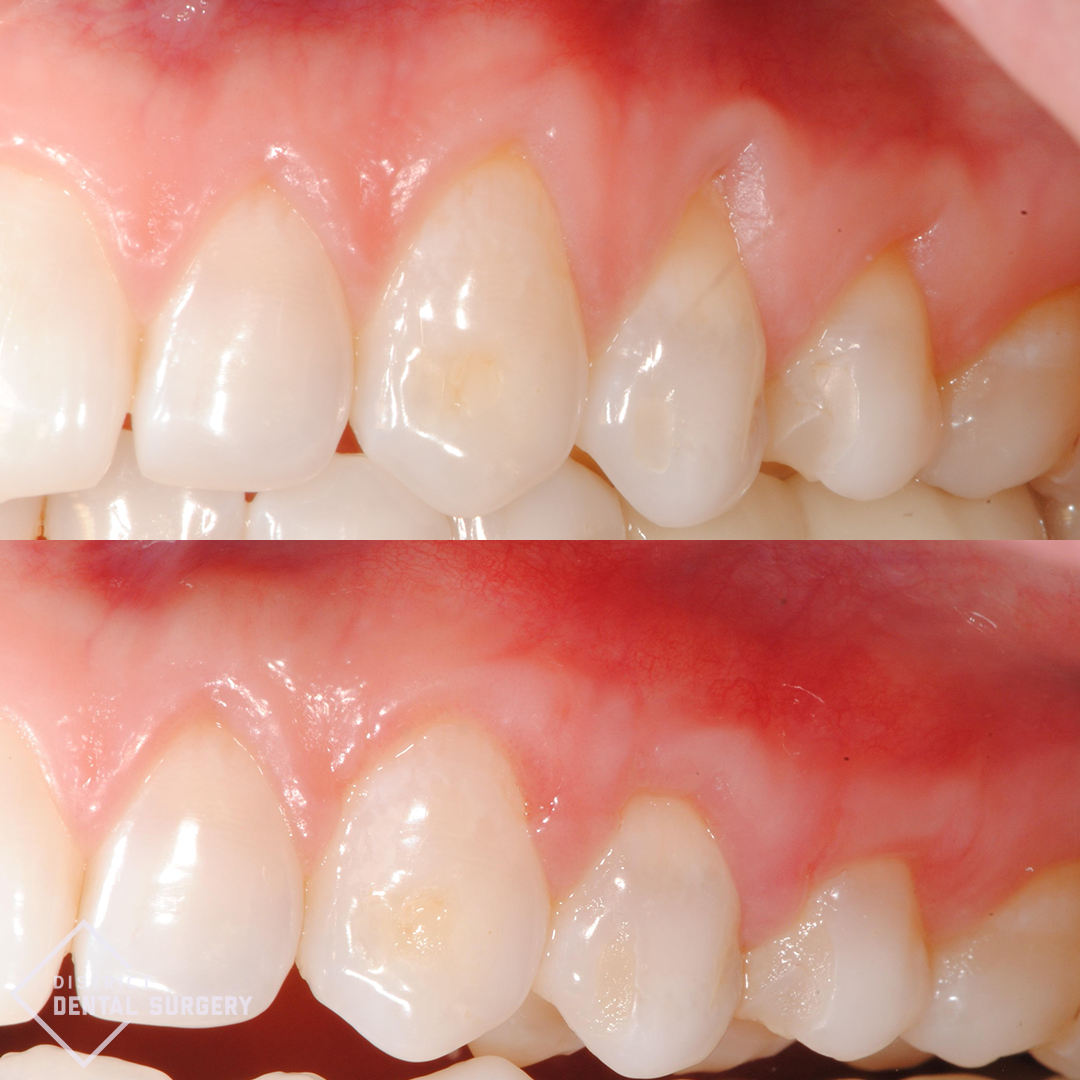
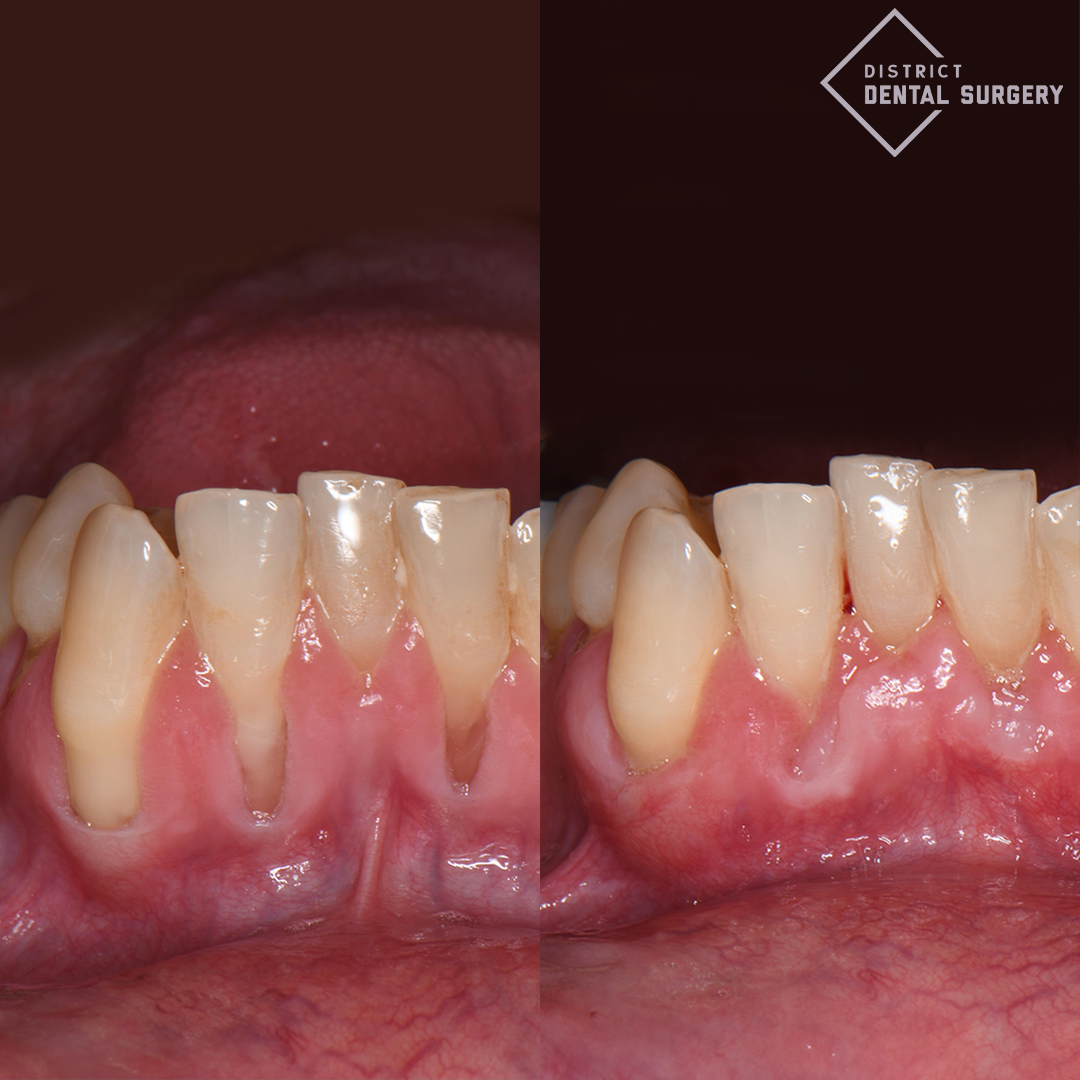
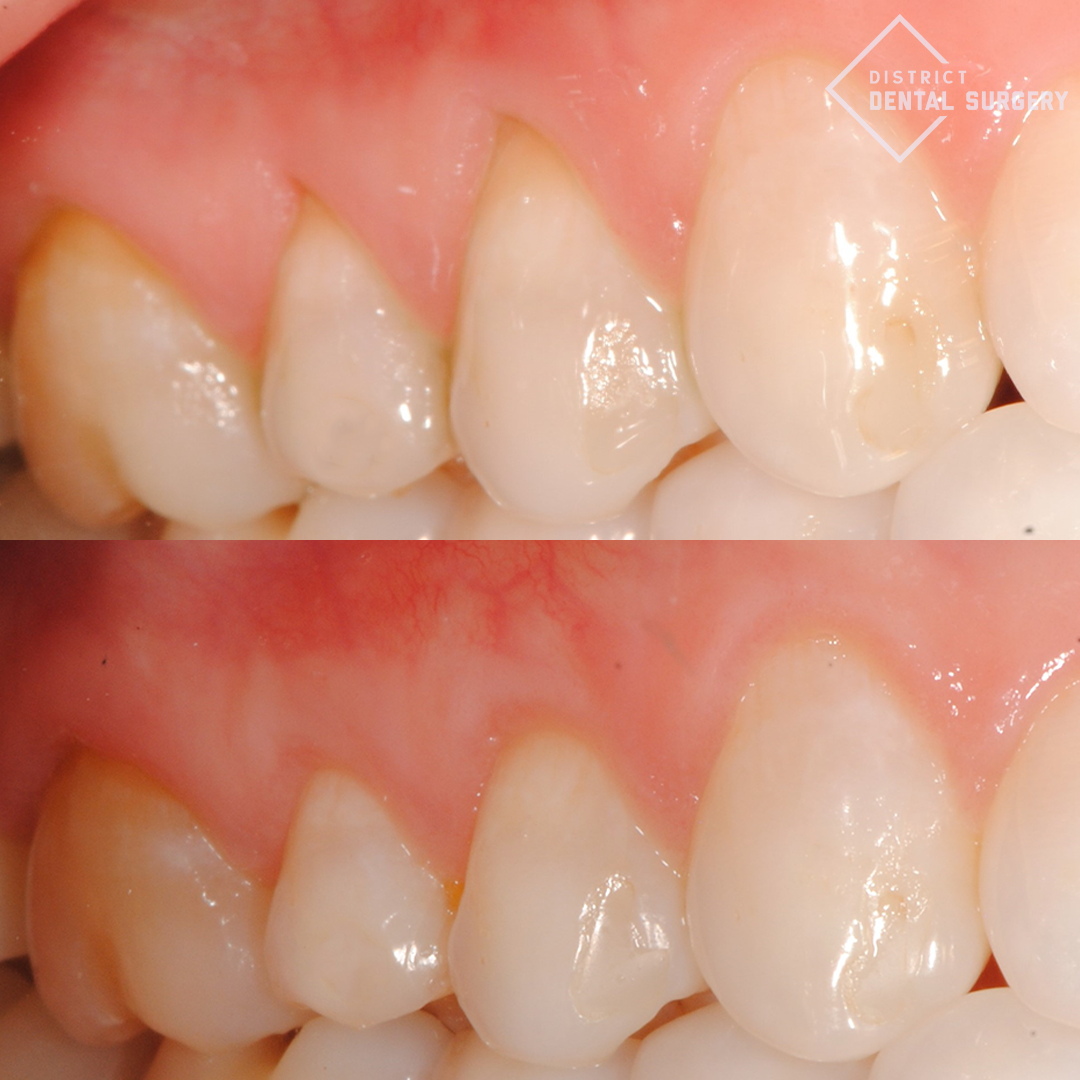
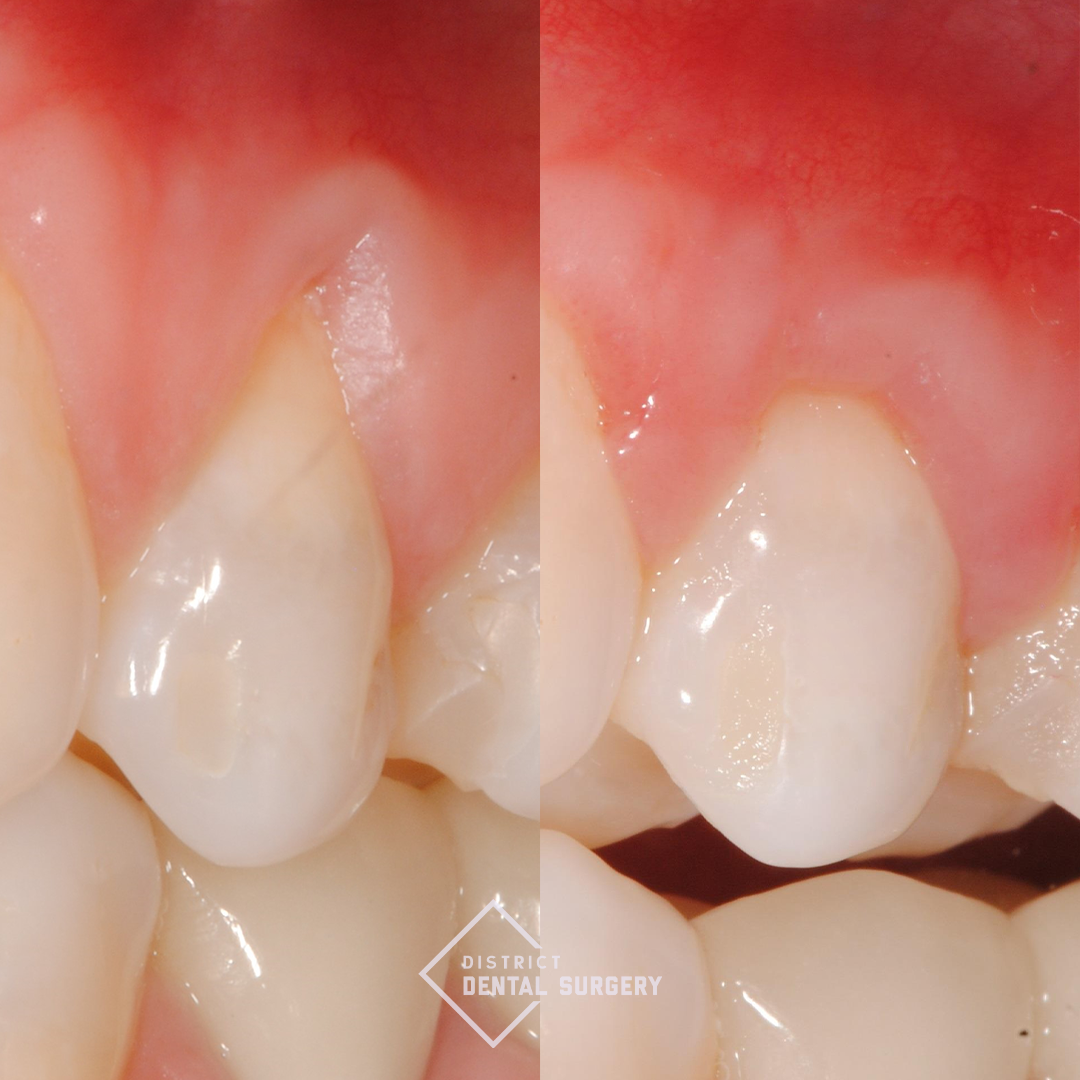
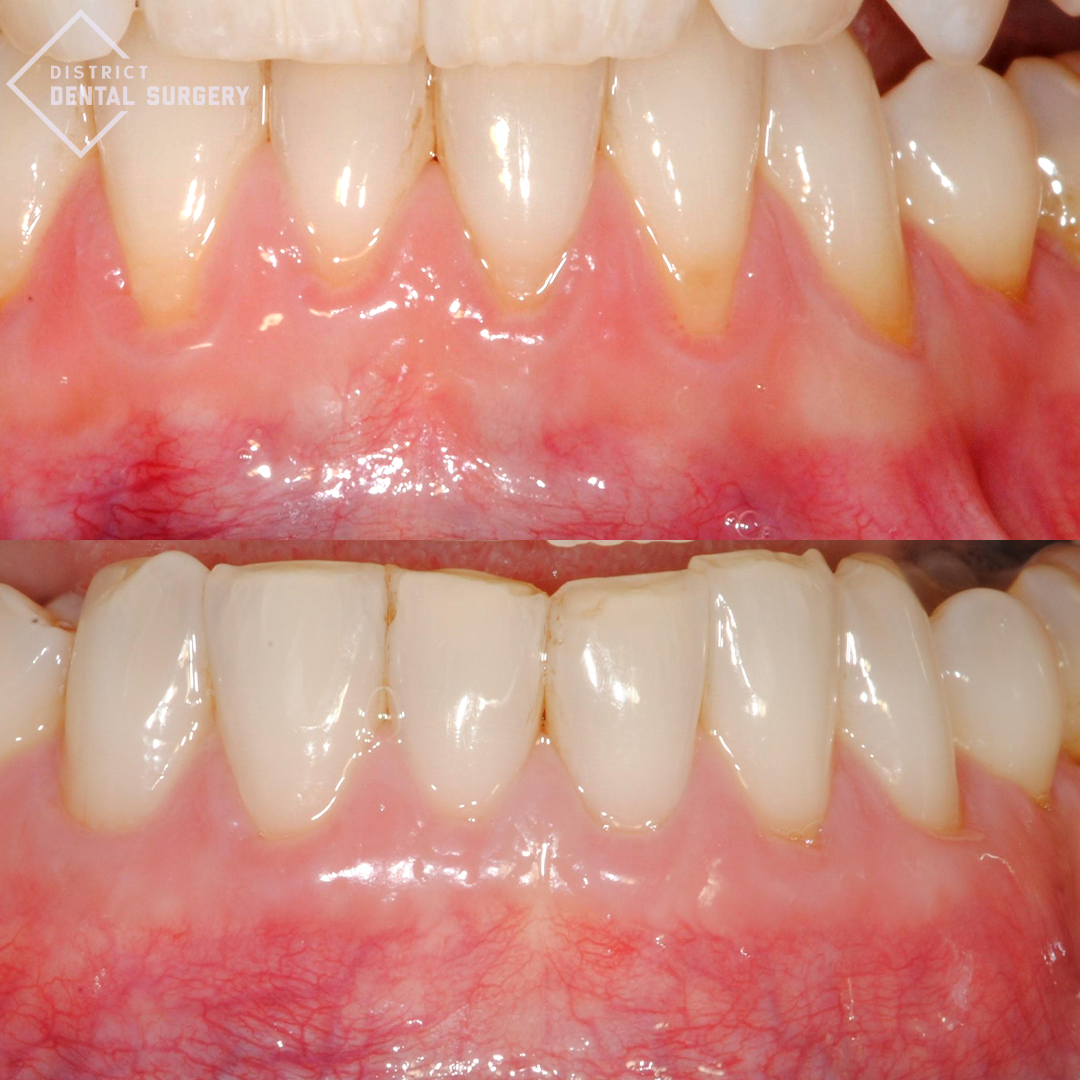
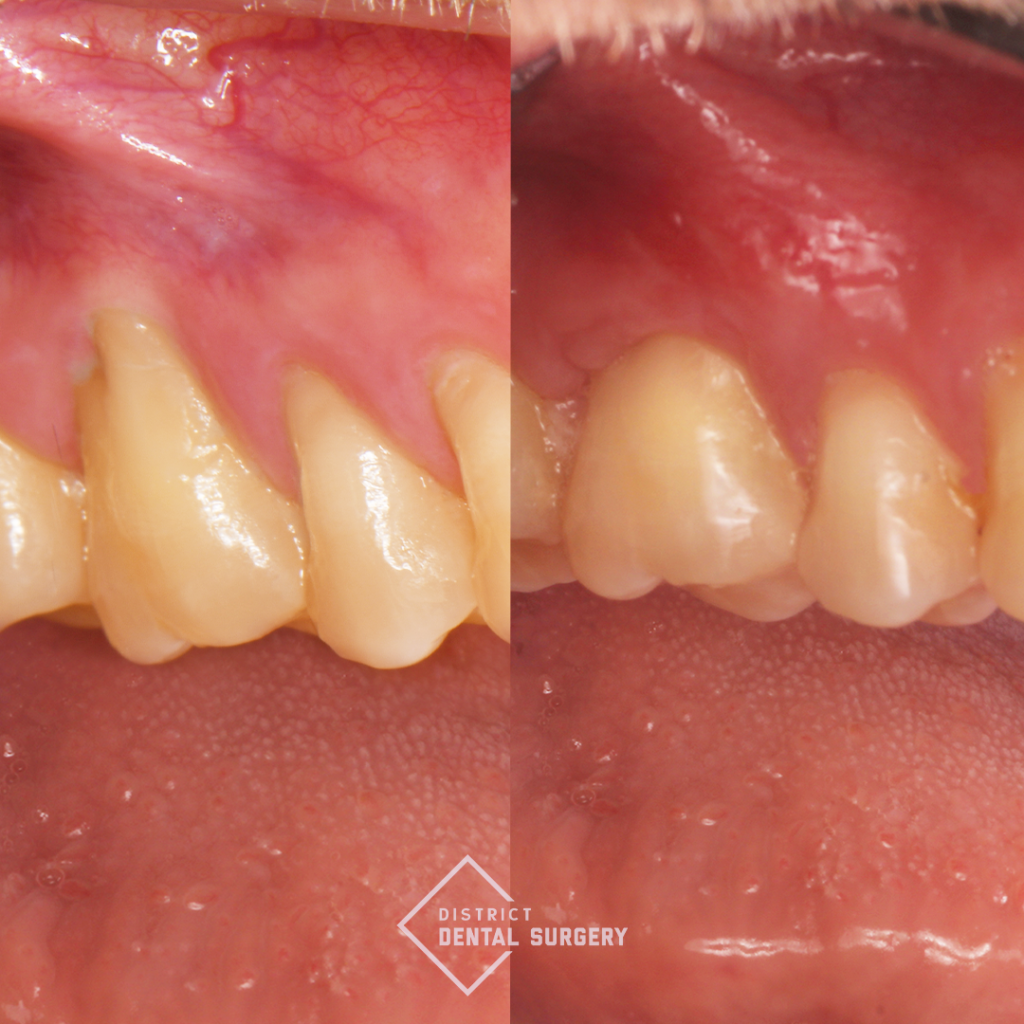
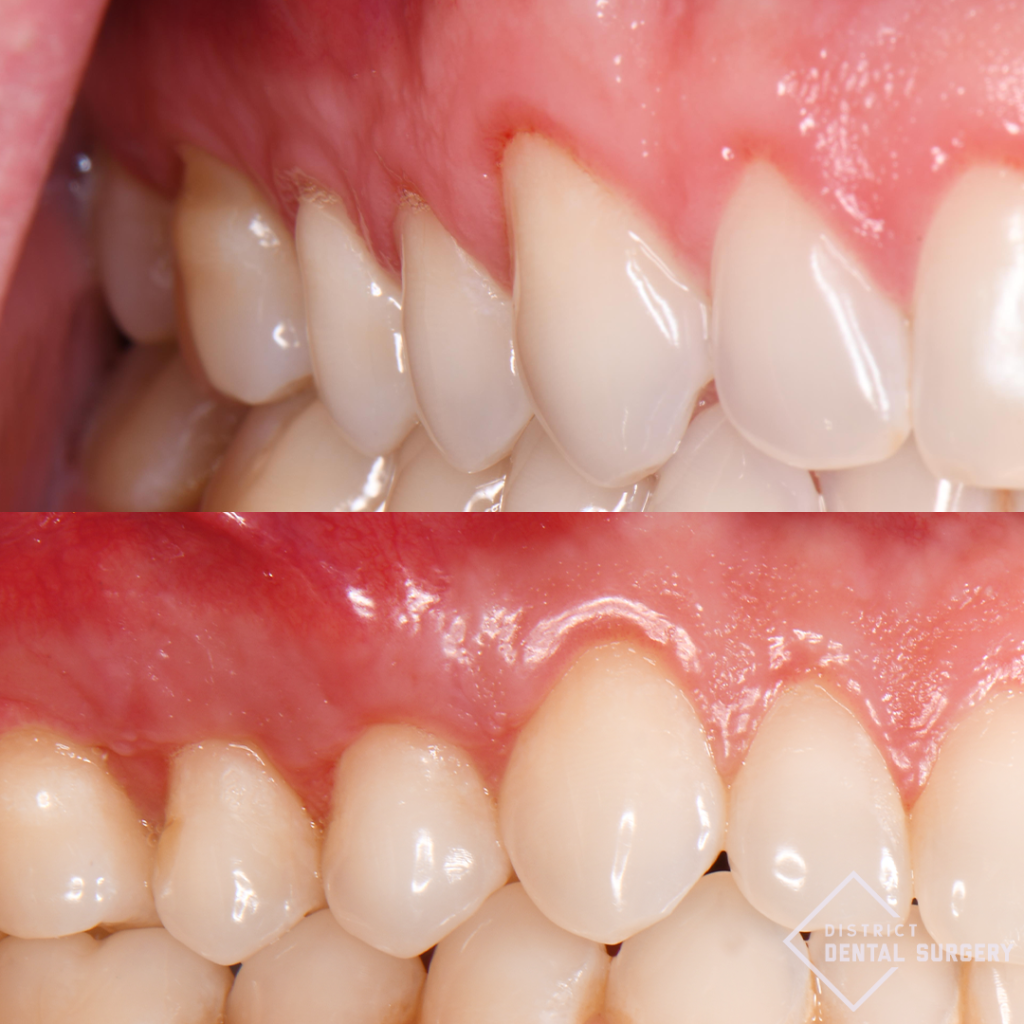
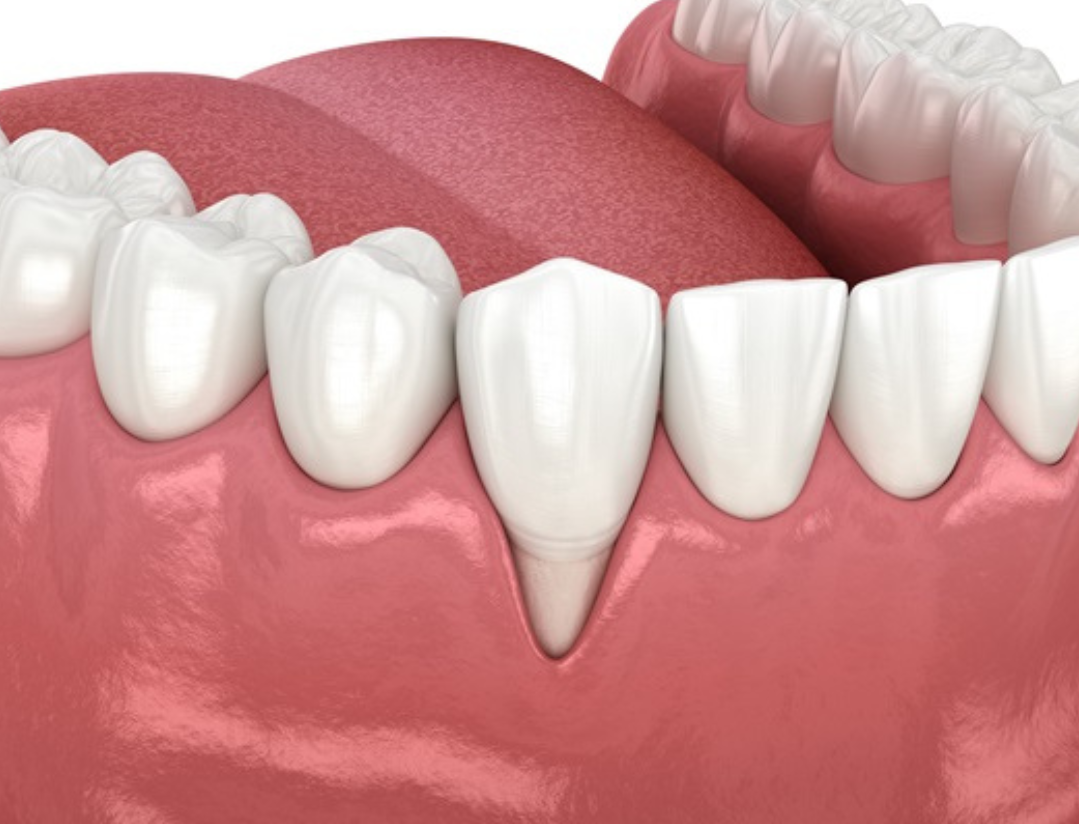
Gum recession occurs when the soft tissue that surrounds your teeth pulls back or wears away, exposing more of the tooth or its root. This condition can lead to increased tooth sensitivity, aesthetic concerns, and serious oral health issues if not treated.
The Top Causes of Gum Recession:
-
1. Gum Disease & Poor Oral Hygiene
When bacteria build up around the teeth, they cause inflammation that breaks down the gum tissue and the bone supporting the teeth. As that support is lost, the gums start to pull away.
-
2. Aggressive Brushing
Brushing too hard or using a stiff toothbrush can actually wear away the gum tissue over time. The gums are not meant to be scrubbed. Repeated trauma from aggressive brushing slowly pushes the gums downward.
-
3. Orthodontic Treatment
Braces or clear aligners (such as Invisalign) can be the cause of your recession. When teeth are moved orthodontically, they can be pushed outside the bone housing and without enough bone support, the gums are more likely to recede. This can happen a lot of times in the posterior teeth.
-
4. Poorly Placed Restorations
Fillings or crowns can actually be a hidden cause of gum recession. While they may seem like a quick fix for sensitivity, they don’t replace the lost gum tissue or address the real problem. If the filling or crown is bulky, over-contoured, or placed too far below the gumline, it can constantly irritate the surrounding gums. This irritation makes it harder for the tissue to stay healthy and stable, leading to continued gum recession. In those cases, you are probably a candidate for a gum graft, not a restoration.
-
5. Excessive Teeth Grinding or Clenching
When you grind or clench your teeth, especially at night, you place excessive forces on the teeth. Those forces transfer to the gums and bone, which can cause the tissue to recede around certain teeth.
-
6. Tobacco Use
Tobacco reduces blood flow to the gums and interferes with healing. Over time, this weakens the gum tissue and makes it more prone to recession and disease.
-
7. Genetics
Some people are genetically predisposed to thinner gum tissue. Thin tissue is more fragile and more likely to recede, even with good oral hygiene. This is something we often see run in families.
The good news is that once we identify the cause, we can create a treatment plan to stop the recession and, in many cases, rebuild the gum tissue.
Why Gum Grafting is the Ideal Solution for Gum Recession
How Gum Grafting Works
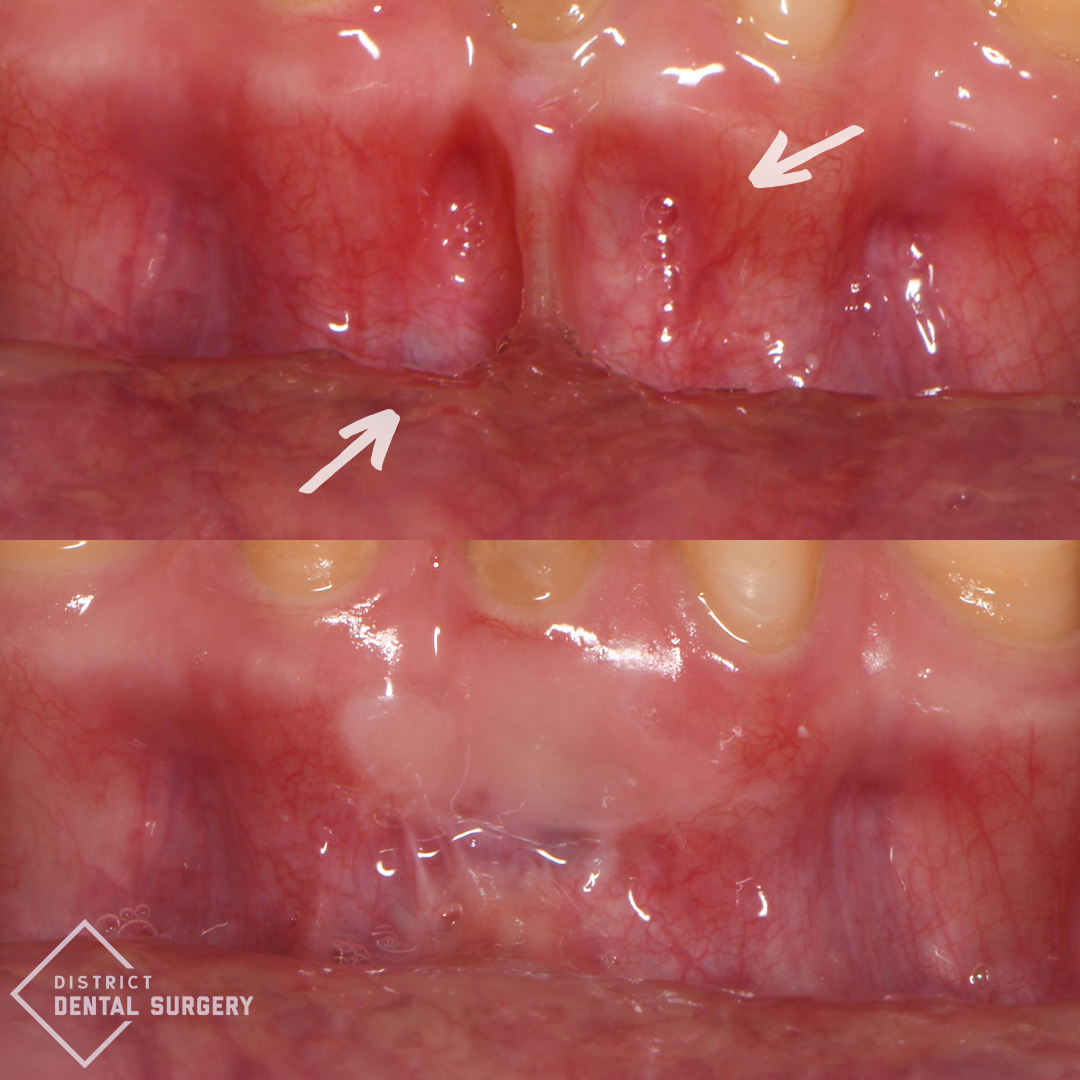
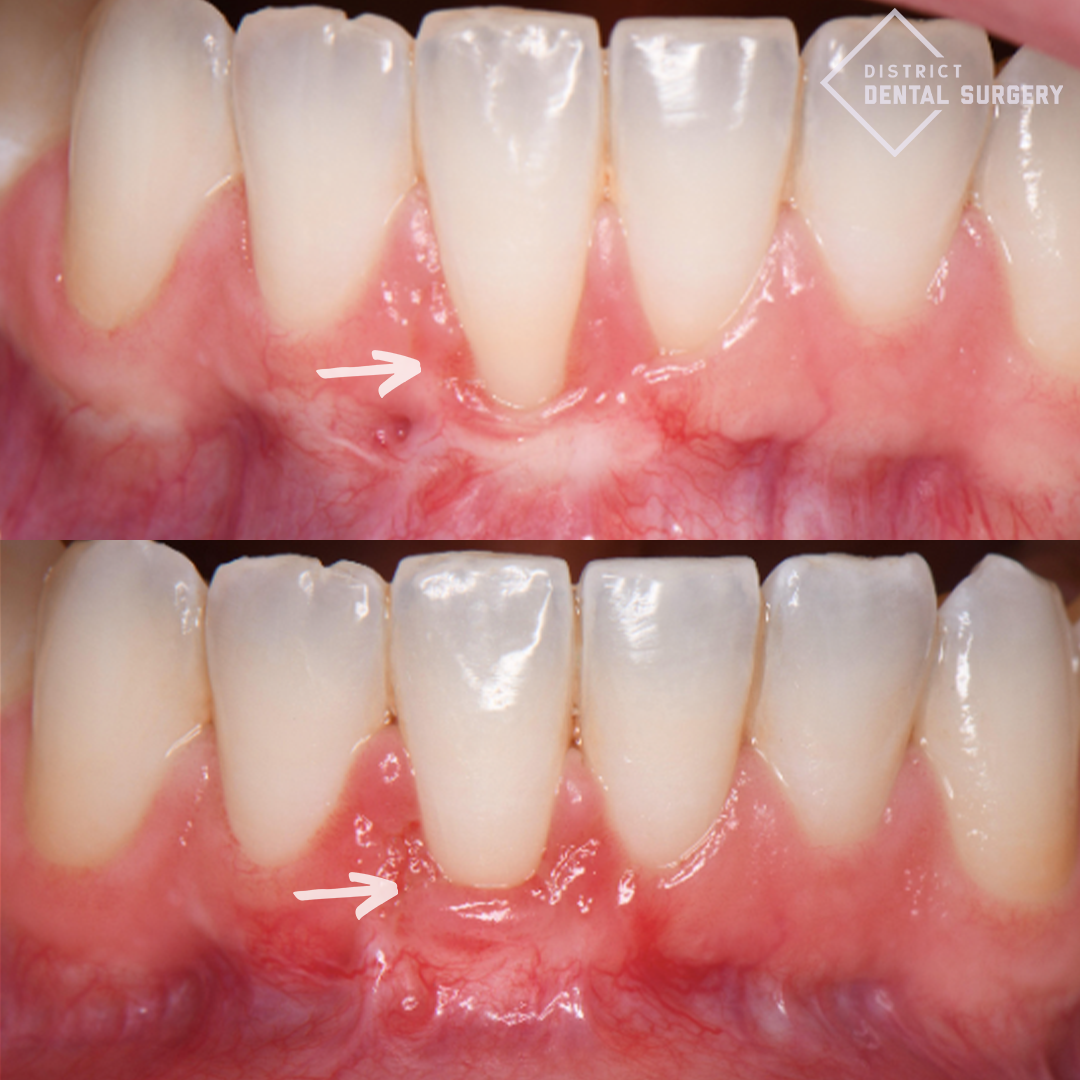
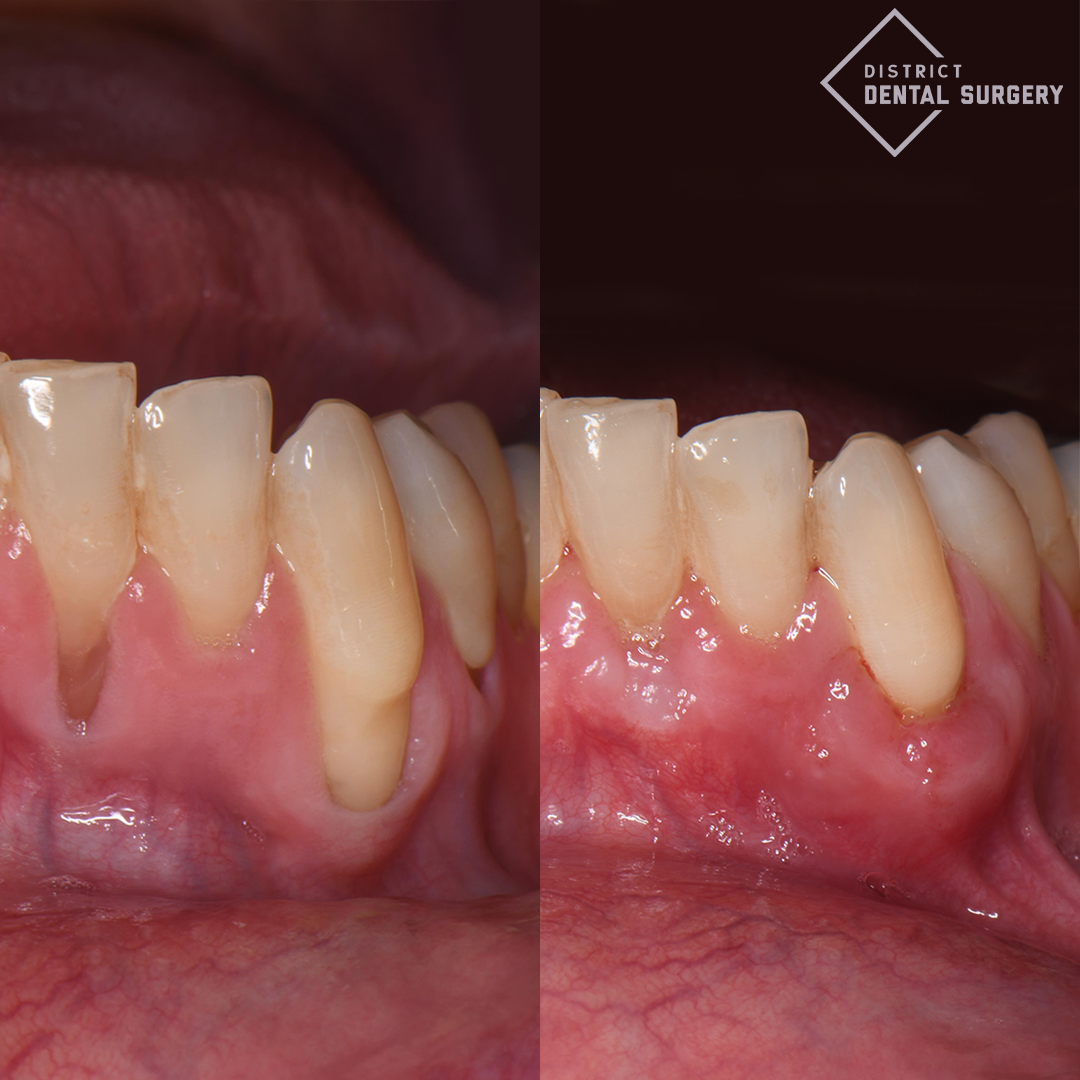
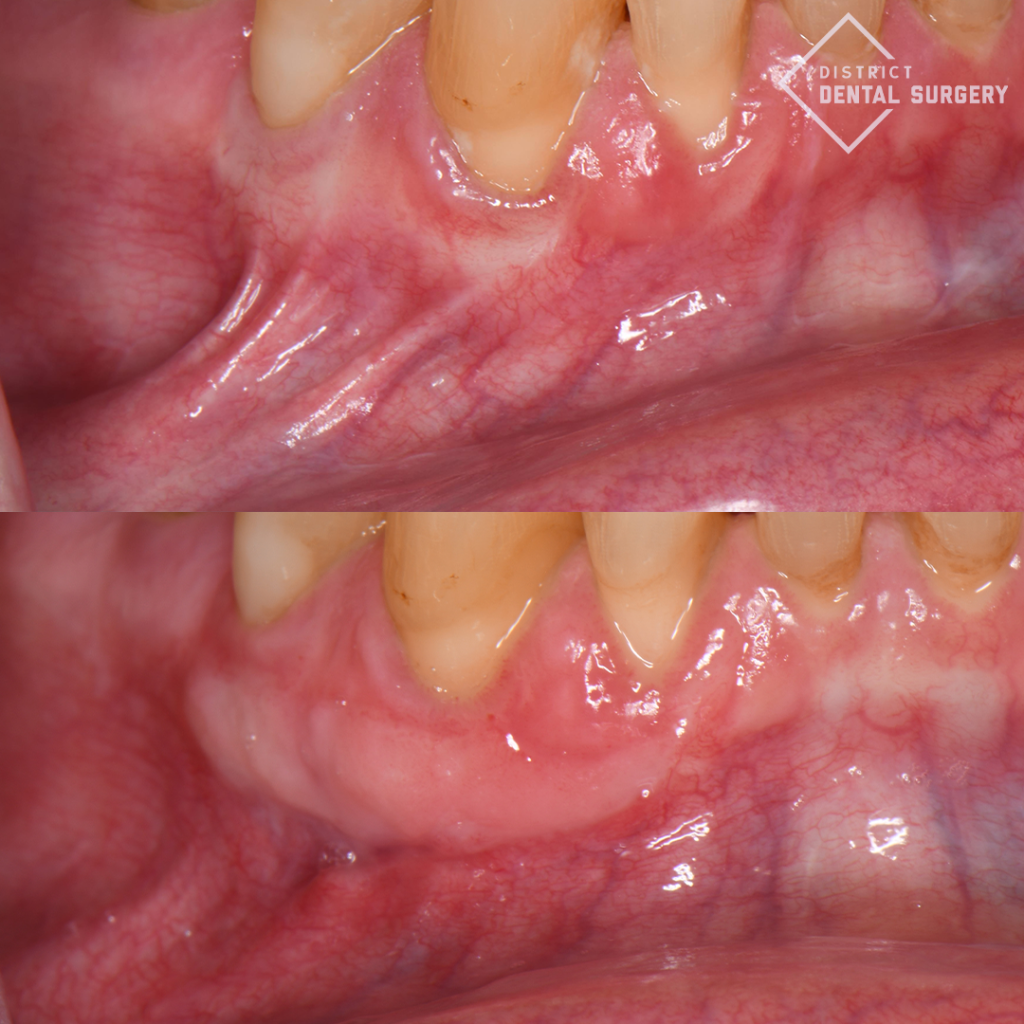
Gum grafting is a periodontal surgical procedure designed to replace lost gum tissue. It involves taking healthy gum tissue—often from the roof of your mouth or a donor source—and attaching it to the area where your gums have receded. This helps cover exposed roots, reduce sensitivity, and prevent further recession.
Types of Gum Grafts
There are two main types of gum grafts:
- Connective tissue grafts (CTG) – the most common method, ideal for root coverage
- Free gingival grafts (FGG) – typically used to thicken thin tissue
Each graft helps restore your natural gumline, reduce sensitivity, and prevent further damage.
Why Choose Gum Grafting?
Patients often ask: “Is gum grafting really necessary?” If you’ve been told you have receding gums, here’s what gum grafting can help with:
- Stops further gum recession
- Reduces tooth sensitivity
- Protects exposed roots from cavities
- Improves the appearance of your smile
- Helps support the longevity of your teeth and dental work
- Prevention of tooth decay and tooth loss
When to See a Periodontist?
If you notice signs of gum recession, don’t wait. Periodontists specialize in treating gum issues, and early intervention often means a simpler and more successful procedure. We evaluate each patient carefully and only recommend the procedure when it’s the best option for long-term success. Recognizing the signs early can help prevent further damage and lead to quicker, more effective treatment.
Signs and Symptoms to Watch For
If you’re experiencing any of the following, you may have gum recession:
- Longer-looking teeth
- Tooth sensitivity to hot or cold
- Exposed roots
- Red, swollen, or bleeding gums
Success Rates and Long-Term Outcomes Clinical Effectiveness
Gum grafting boasts a success rate of over 90% when performed by skilled periodontists. Patients often notice reduced sensitivity and stronger gums within weeks. Long-Term Oral Health Benefits:
- Strengthens your gum line
- Protects against tooth decay and further recession
- Enhances smile aesthetics
- Improves confidence and oral hygiene motivation
Frequently Asked Questions About Gum Grafting
Q: Is gum grafting painful?
A: Most patients report only mild discomfort, which is easily managed with over-the-counter pain relievers.
Q: How long does it take to heal?
A: Most healing occurs within 1–2 weeks. Full integration of the graft can take a few months, but you’ll be able to eat and function normally within days.
Q: Will the results last?
A: Yes. With proper oral hygiene and maintenance, gum grafting can offer long-lasting protection.
Is Gum Grafting Right for You? Schedule a Consultation!
If you’re concerned about receding gums or have been told you need a gum graft, we’re here to help. Our periodontists have years of experience restoring gum health and protecting natural teeth.
Call our Washington, DC or Bethesda, MD office today to schedule a consultation and learn more about how gum grafting can protect your smile.
Our Transformative Results
Gum Grafting (CTG)
Gum Grafting (FGG)
Gum Grafting (CTG)
Gum Grafting (CTG)
Gum Grafting (CTG)
Gum Grafting (CTG)
Gum Grafting (FGG)
Gum Grafting (CTG)
Gum Grafting (CTG)
Gum Grafting (FGG)
Gum Grafting (CTG)
Gum Grafting (FGG)
Gum Grafting (CTG)
Gum Grafting (CGT)
Gum Grafting (CTG)
Gum Grafting (FGG)
Gum Grafting (FGG)
Gum Grafting (CTG)
Gum Grafting (CTG)
Gum Grafting (CTG)
Gum Grafting (CTG)
Gum Grafting (CTG)
Gum Grafting (CTG)
Gum Grafting (CTG)
Gum Grafting (FGG)
Gum Grafting (CTG)
Gum Grafting (CTG)
Gum Grafting (CTG)