Tooth Extractions in Bethesda, MD & Washington D.C.
At District Dental Surgery, our team of experts is dedicated to providing you with the best possible care, no matter your needs or concerns. When you visit us for a tooth extraction procedure, we recognize that you may be feeling nervous. After all, no one wants to lose a tooth, but sometimes this is necessary for your health.
While the thought of having a tooth extracted can be daunting, we take the time to walk you through the process and ensure that you understand the purpose of the procedure and are comfortable every step of the way. Whether you’re in need of a simple extraction or a surgical extraction, you can rest assured that you’re in good hands with our team.
Reasons for a Tooth Extraction
A tooth extraction is the removal of a tooth from the mouth. Extractions are performed for a variety of reasons, but most commonly to remove teeth that are decayed or damaged beyond repair. Sometimes, extractions are performed due to crowding or a lack of space for a tooth to erupt properly. Whatever the case may be, extractions are always performed for the health and well-being of the patient.
There are two types of extractions we perform at our office: simple and surgical. The type of extraction performed will be determined based on the location of the tooth and the particular needs of the patient.
Simple Extractions
Surgical Extractions
What to Expect DURING a Tooth Extraction Procedure:
What Happens During a Tooth Extraction?
The procedure usually takes about 30–60 minutes, depending on complexity. We thoroughly numb the area to keep you comfortable. Using specialized instruments and microsurgical techniques, the tooth is carefully loosened and removed. In some cases, the tooth may be divided into smaller sections to minimize trauma. If needed, we may place a bone graft or protective material to help maintain the natural shape of your jaw and prepare the area for an implant. Sutures or other wound dressings may be used to form a protective blood clot and support healing.
Is Getting a Tooth Extracted Painful?
No, the area will be fully numb. You may feel pressure or movement, but not sharp pain, and most patients report little to no discomfort throughout. We also offer laughing gas (nitrous oxide) and oral anxiolytics if you’re feeling anxious or prefer a more relaxed experience.
Will I Need a Bone Graft?
Many patients benefit from bone grafting at the time of extraction, especially if planning for a dental implant, because it helps:
- Preserve jawbone shape and volume
- Improve implant success
- Support natural-looking gum contours
- Reduce the need for more extensive grafting later
Your periodontist will discuss whether this is recommended in your case.
What to Expect AFTER a Tooth Extraction Procedure:
What is the Recovery for a Tooth Extraction?
Following your extraction, it’s normal to experience mild swelling, tenderness, and slight bleeding or oozing around the area for a few days. These symptoms should gradually improve each day. Any soreness can typically be managed with over-the-counter pain medication or prescriptions provided by our office. Stay hydrated and get plenty of rest.
During the first 24 to 48 hours, applying an ice pack to the outside of your face and keeping your head slightly elevated can help minimize swelling. We also suggest choosing cool, soft foods such as smoothies or ice cream during this time, as they can feel soothing and help keep inflammation down. We will give you clear, detailed post-operative instructions so you know exactly how to care for the area and support a smooth, comfortable recovery.
Can I Brush and Floss Like Normal?
Not immediately. Only brush and floss the teeth that were not involved in the surgery. We will give you specific instructions on when you can start brushing the area.
What is a Dry Socket?
After your periodontist removes the tooth, a blood clot forms. If the clot comes loose (or does not develop at all), you will get a dry socket. Signs of this are: increased pain several days after extraction and bad taste or odor. If you notice these symptoms, contact our office right away. It is very important to follow instructions to help prevent a dry socket.
To help prevent this, here is a list of things you should avoid:
- Do not use a straw or suck on anything (such as candy)
- Do not touch the site with fingers or tongue
- No smoking, vaping, or drinking alcohol
- No strenuous exercise or heavy lifting
- Avoid vigorous rinsing or spitting
- Avoid any hard, crunchy, sticky, or spicy foods
When Can I Return to Normal Activities?
Most patients can return to light daily activities the same day, such as working at a desk, walking, or running errands. However, it’s important to give your body time to heal. For the first 48 to 72 hours, you should avoid:
- Strenuous exercise or heavy lifting
- High-intensity workouts
- Bending over frequently
- Activities that significantly raise your heart rate or blood pressure
These types of activities can increase bleeding, swelling, and discomfort at the extraction site.
If your job is physically demanding or your extraction was more complex, you may need a few extra days of rest. Your periodontist will give you personalized guidance based on your procedure. A good rule of thumb is to listen to your body. If throbbing, bleeding, or increased swelling occurs when you become more active, it’s best to slow down and allow more time for healing.
Will I Need to Replace the Extracted Tooth?
In most cases, yes. In addition to aesthetic concerns, leaving a space can lead to shifting teeth, bite changes, bone loss, and difficulty chewing. The most common replacement option is a dental implant.
What Can I Eat After a Tooth Extraction?
A Complete Periodontal Recovery Diet Guide:
Eating the right foods post-operatively is just as important as the procedure itself, because what you eat after surgery plays a big role in how well and how quickly you heal. After surgery, your tissue is delicate and actively healing. The wrong foods can cause irritation, introduce bacteria, or physically disrupt the surgical site. Following a structured diet helps reduce discomfort, prevent complications, and support the best possible outcome.
For a complete list of recommended foods and everything to avoid during recovery, click to download our detailed diet guide.
Day 1
Immediately After Surgery/Day 1:
Keep It Cold and Soft. Right after surgery, your mouth will be tender, and cold foods can help soothe the area and reduce swelling. Stick to things like:
- Smoothies (no straws)
- Yogurt
- Ice cream
- Milkshakes
- Drink plenty of ice water!
Days 2-3
Days 2-3 After Surgery:
Stick to soft, cool, and non-irritating foods.
- Ice cream and sorbet (no nuts or chewy mix-ins)
- Smoothies (no seeds or chunks)
- Applesauce
- Mashed potatoes
- Scrambled eggs
- Yogurt (plain or smooth, no granola or fruit chunks)
- Oatmeal
- Protein shakes
- Broths and blended soups (lukewarm or cold)
- Pudding and custards
- Gelatin (Jell-O)
Tip: If you can, use the opposite side of your mouth when eating. Use a spoon instead of a straw to avoid suction pressure.
Days 4-7
Days 4-7 After Surgery:
You may begin to slowly incorporate more variety, but keep the foods soft.
- Soft pasta, such as mac and cheese or buttered noodles
- Cooked, soft vegetables (steamed carrots, zucchini, squash, sweet potatoes)
- Soft fruits (bananas, canned fruits, avocado)
- Tender cooked meats (ground turkey/beef/chicken, shredded chicken)
- Tofu
- Beans and lentils
- Soft fish (white fish and salmon)
- Pancakes and soft waffles
- Cottage cheese and soft cheeses
Week 1-4
1-4 Weeks After Surgery
As healing progresses, you can slowly return to a more normal diet, while continuing to be cautious and still avoiding anything too hard or sharp.
- Most cooked vegetables and fruits
- Soft grains, pasta, and rice
- Lean meats and poultry
- Soft sandwiches (no crust or toasted bread)
- Turkey, egg salad, tuna
- Muffins or banana bread
- Soft tortillas
Foods to Avoid Until Fully Healed
What to AVOID Until Fully Healed:
- Crunchy, Sharp, or Pointy Foods: Chips, Pretzels, Popcorn, Crackers, Granola, Nuts (almonds, peanuts, walnuts)
- Foods with Seeds or Small Grains: Chia, sesame, poppy seeds, Quinoa, Seeded breads, Berries with small seeds (strawberries, raspberries)
- Sticky Foods: Caramels, Taffy, Gummy candy, Fruit snacks
- Tough & Chewy Foods: Steak, Beef jerky, Chewy protein bars, Dried fruit (raisins, mango, apricots)
- Hard or Crusty Breads: Baguettes, Bagels, Toasted bread
- Raw, Hard, or Fibrous Foods: Raw vegetables (carrots, celery, broccoli), Hard fruits (apples, pears)
- Spicy Foods: Hot sauce, Chili, Spicy curries
- Acidic Foods & Drinks: Citrus (oranges, lemons, limes, grapefruit), Tomato-based sauces, Vinegar and vinaigrettes
- Hot Foods & Drinks: Hot coffee or tea, Hot Soups
- Habits to Avoid:
- Drinking through a straw
- Chewing on the surgical side
- Smoking
- Alcohol
FAQ
Frequently Asked Questions
Our Transformative Results
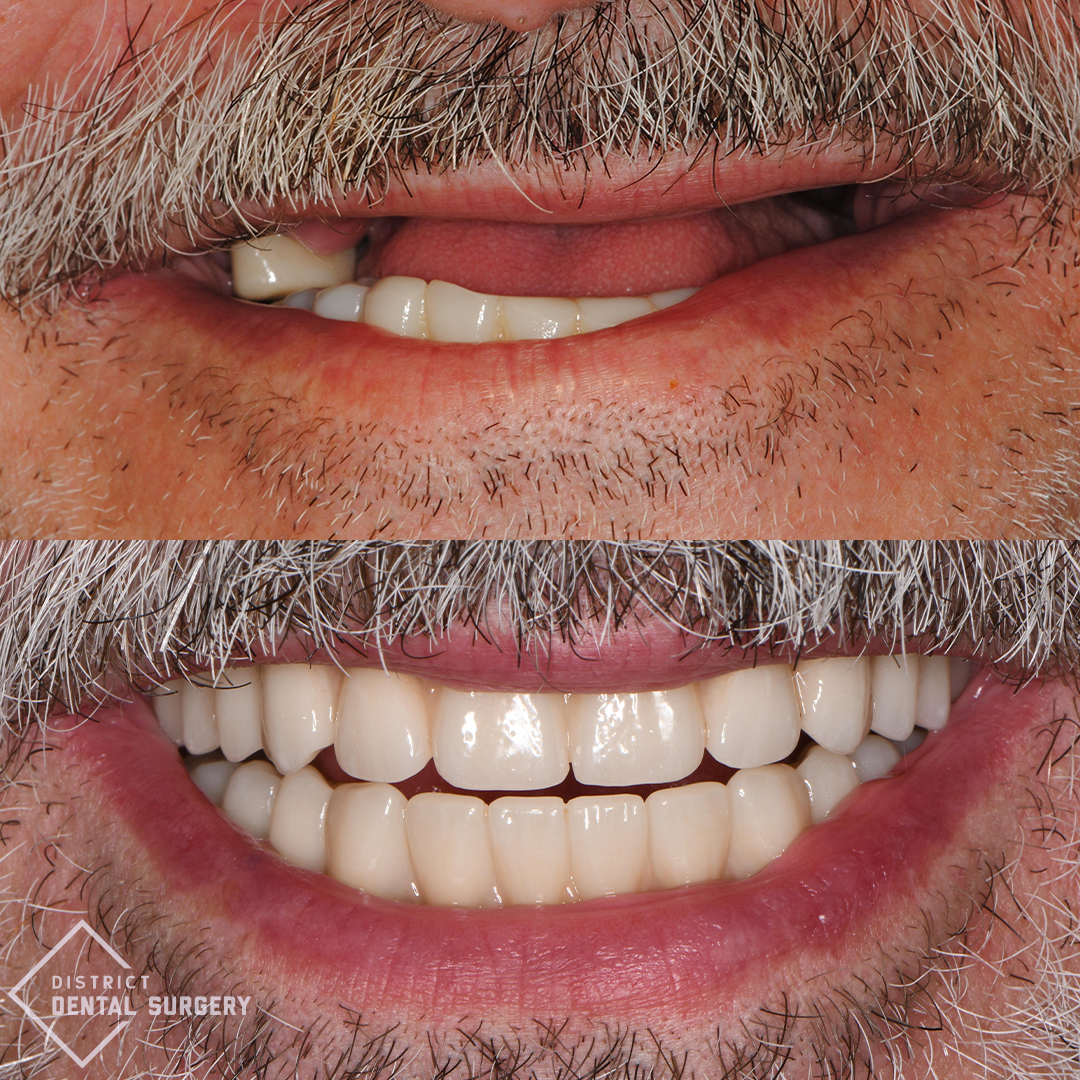
All-On-X Dental Implants
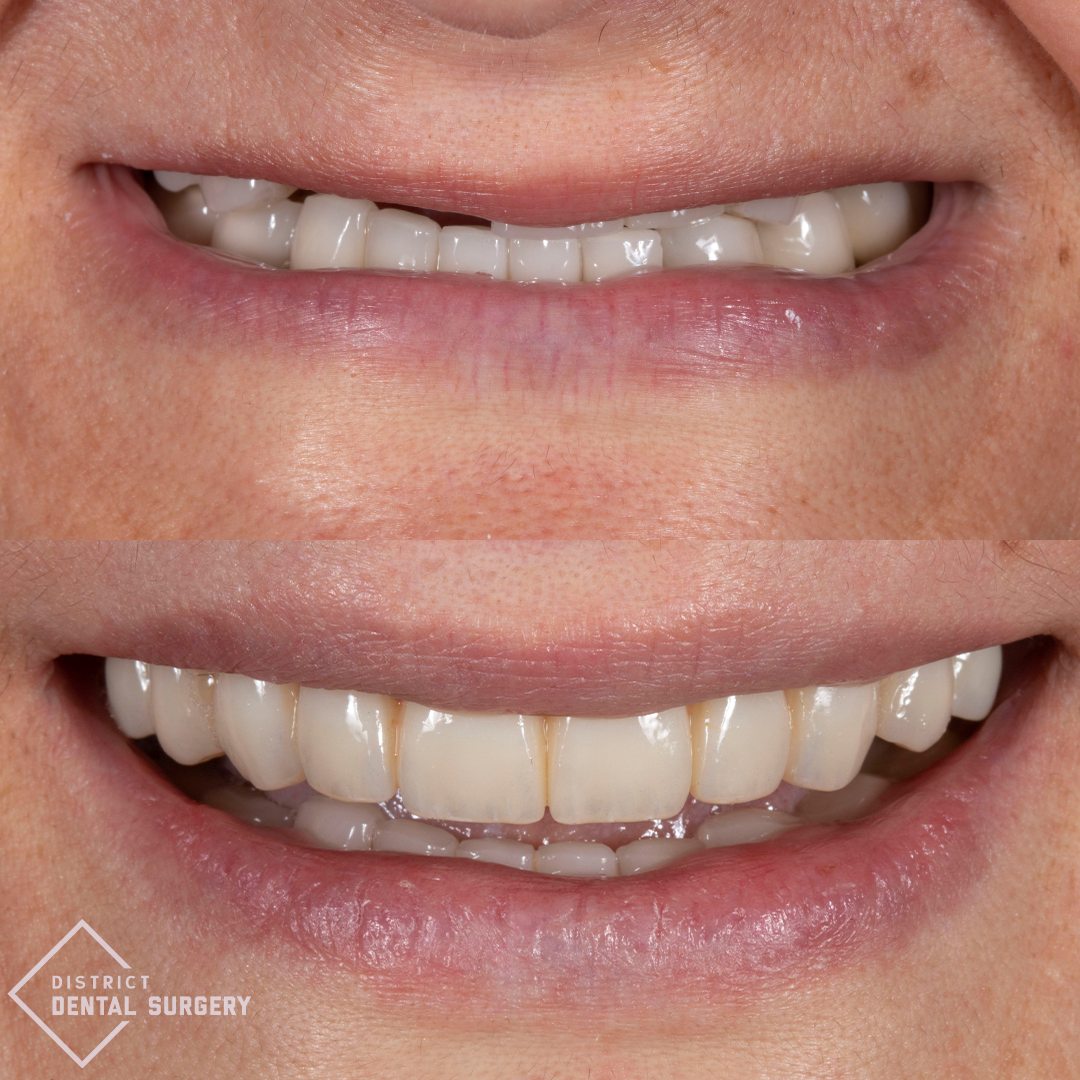
All-On-X Dental Implants
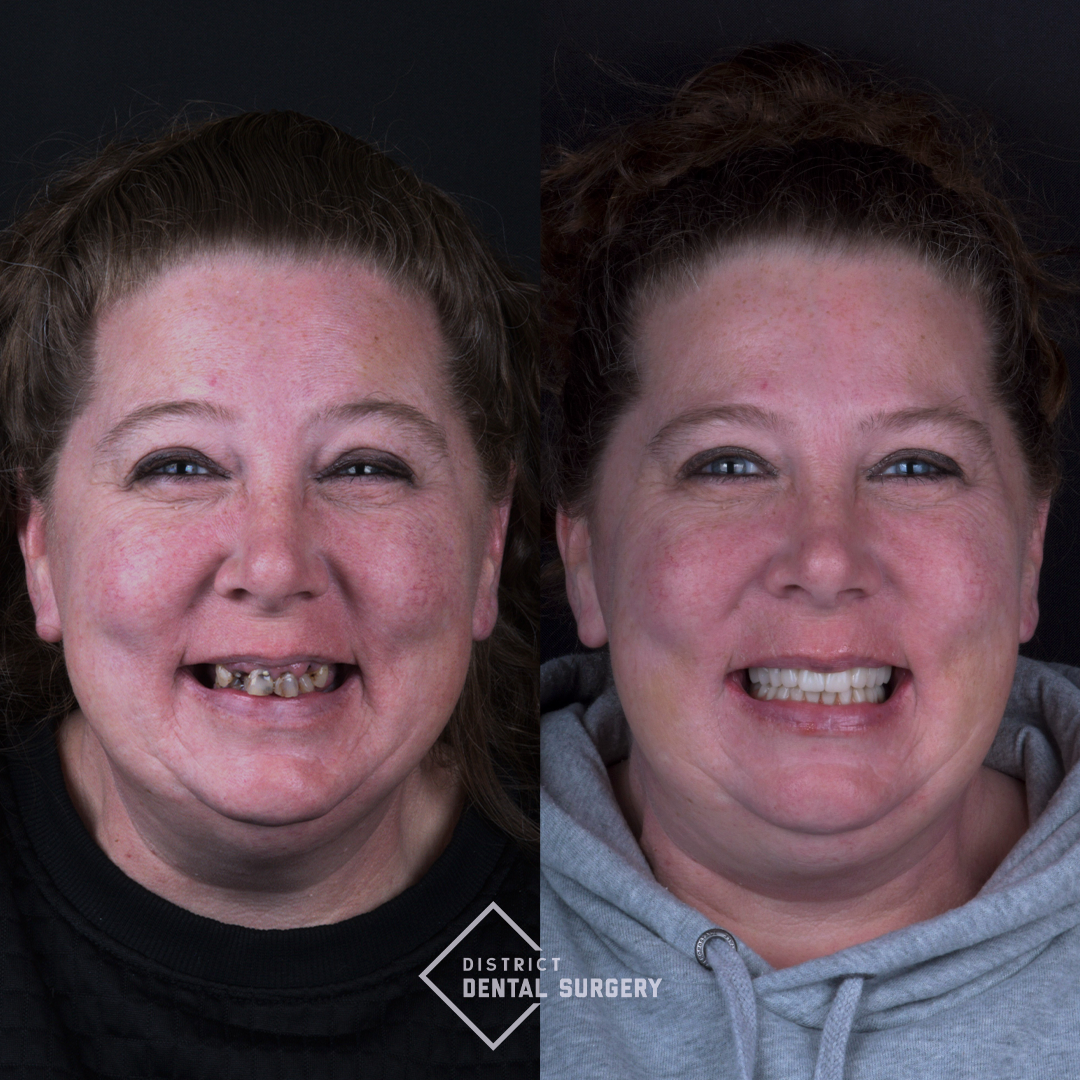
All-On-X Dental Implants
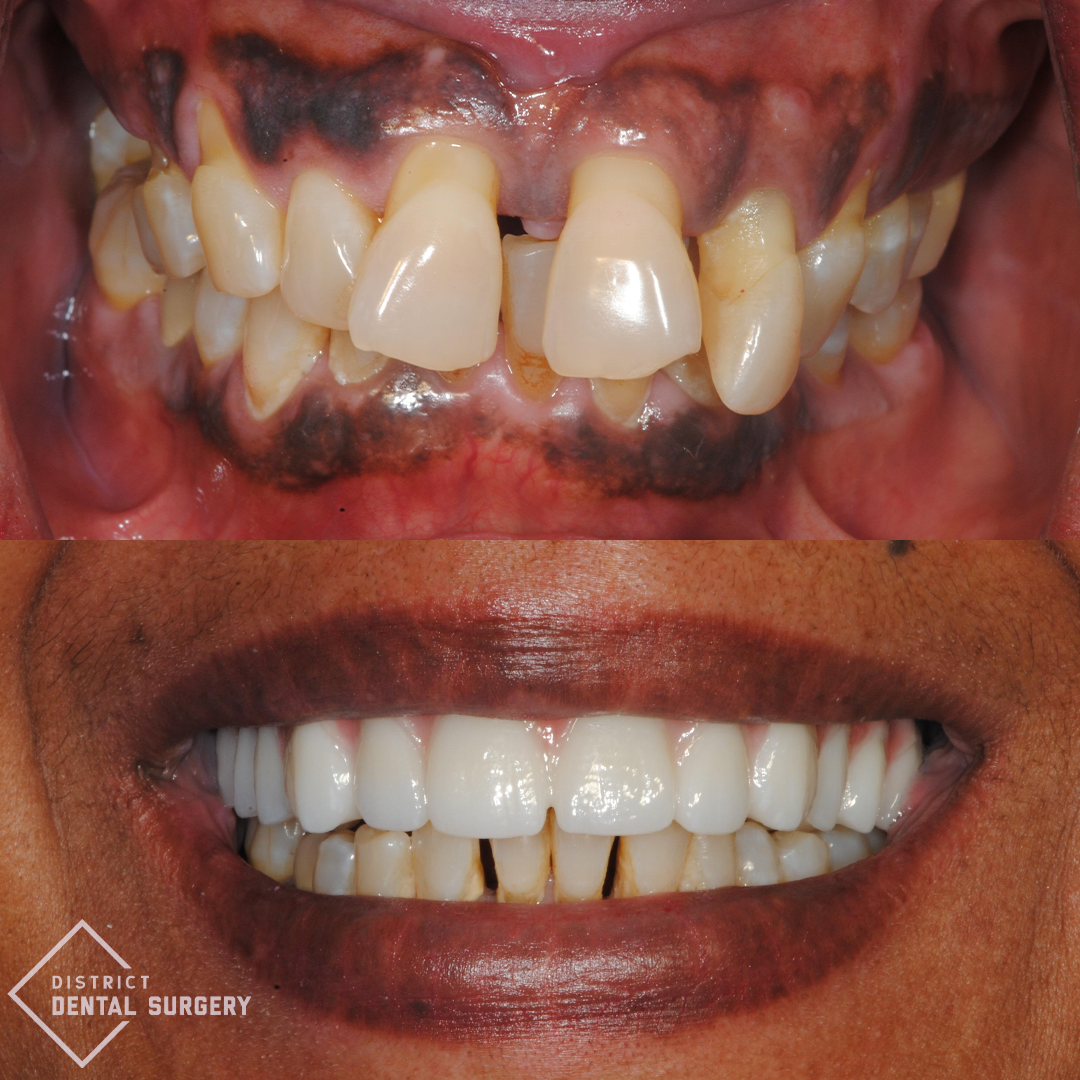
All-On-X Dental Implants
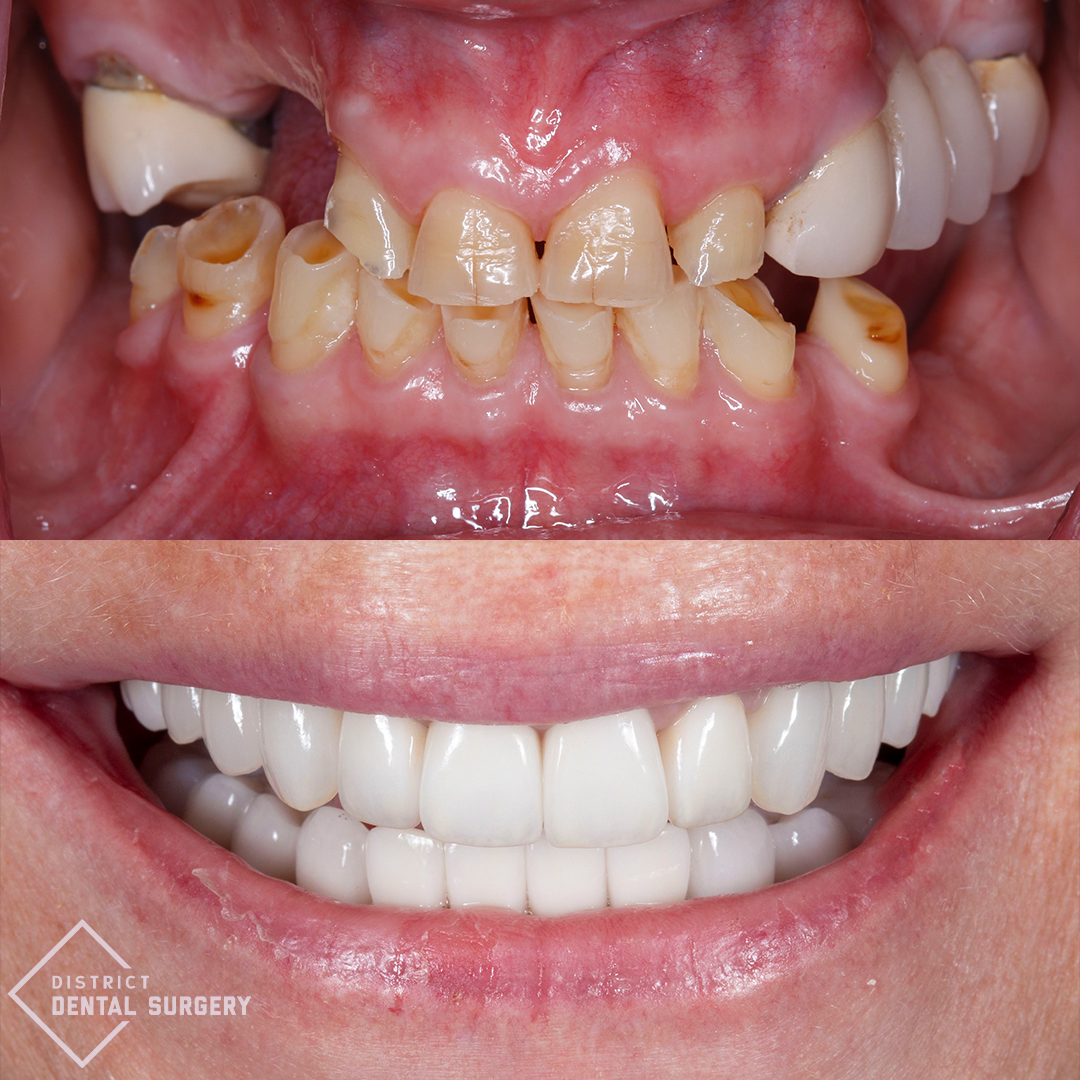
All-On-X Dental Implants
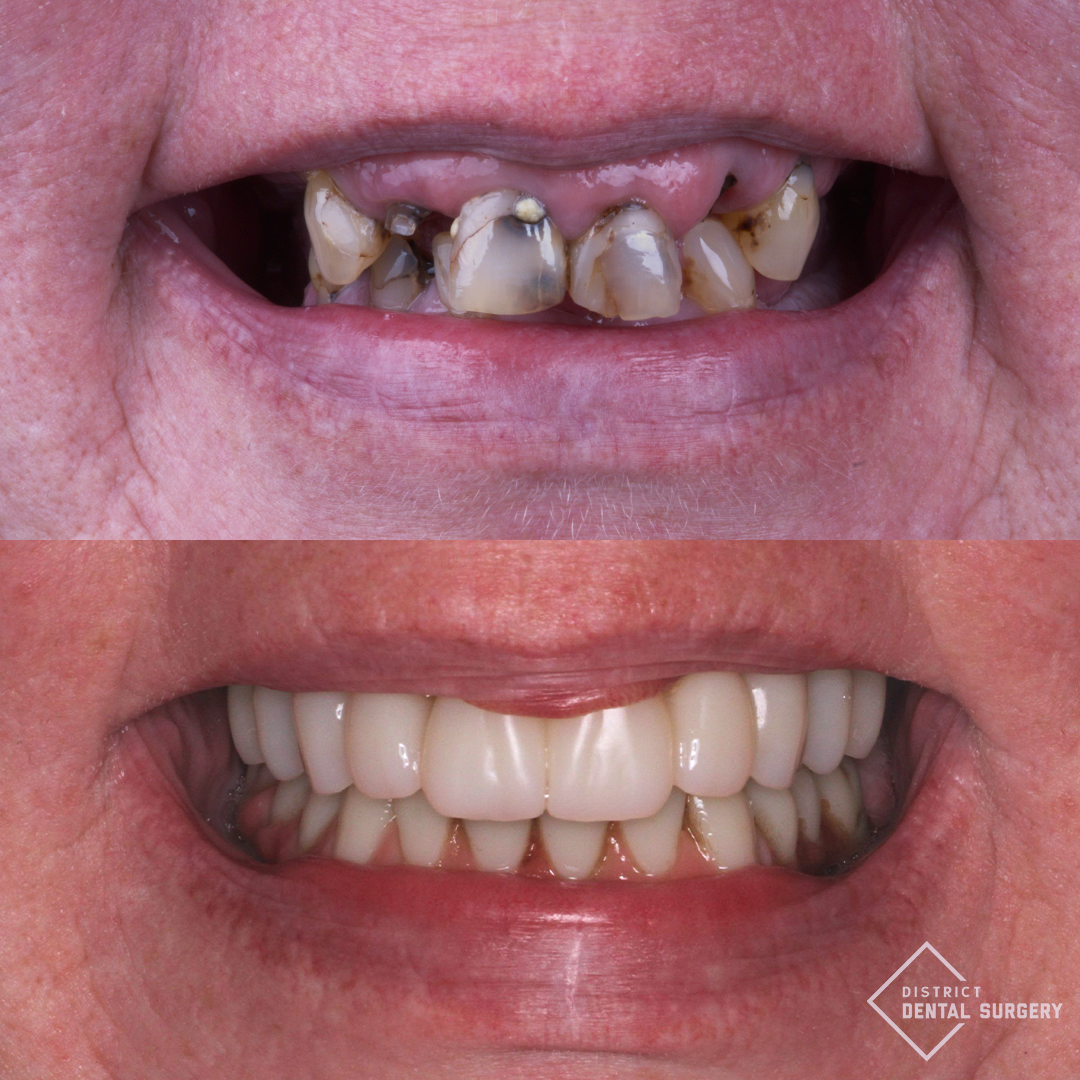
All-On-X Dental Implants
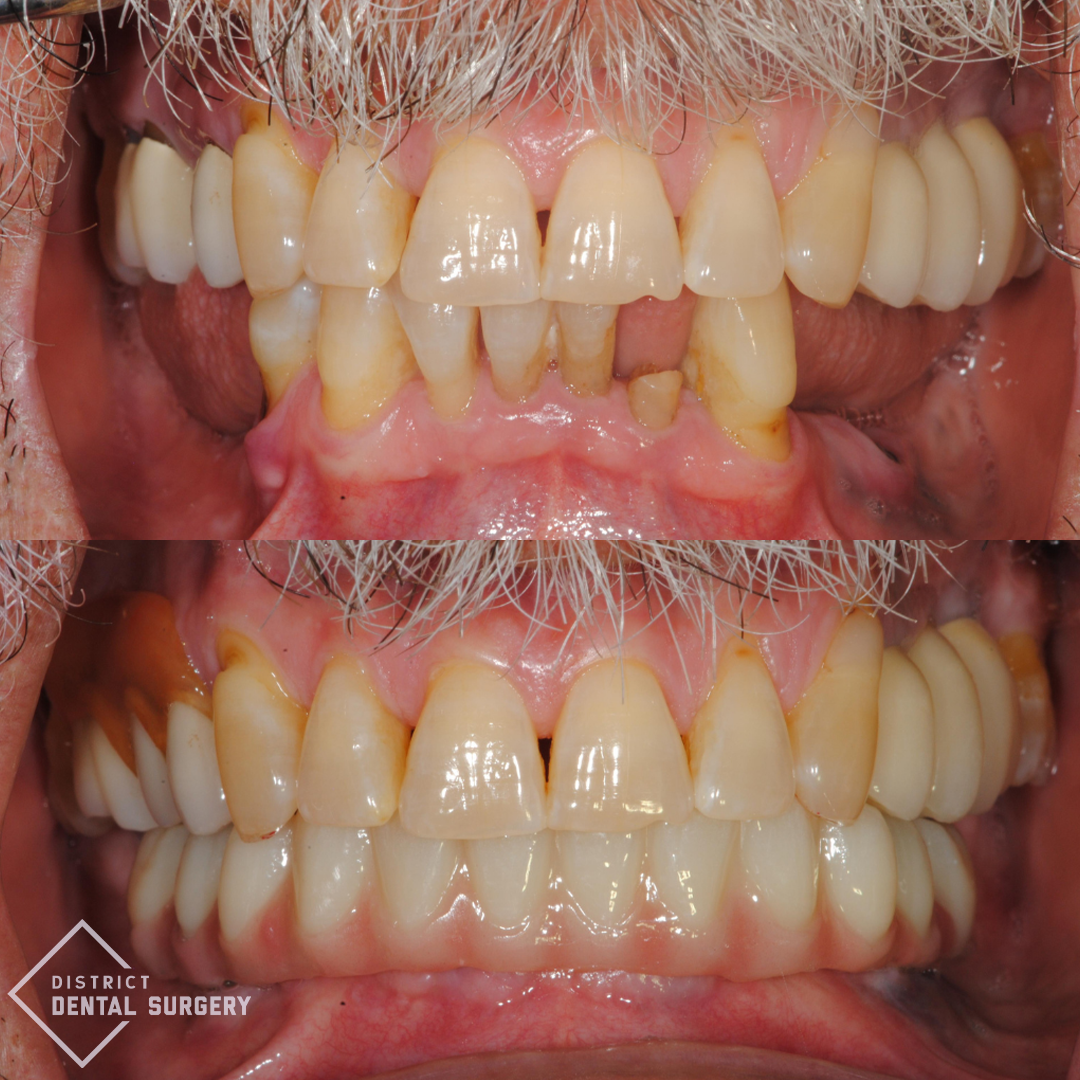
All-On-X Dental Implants
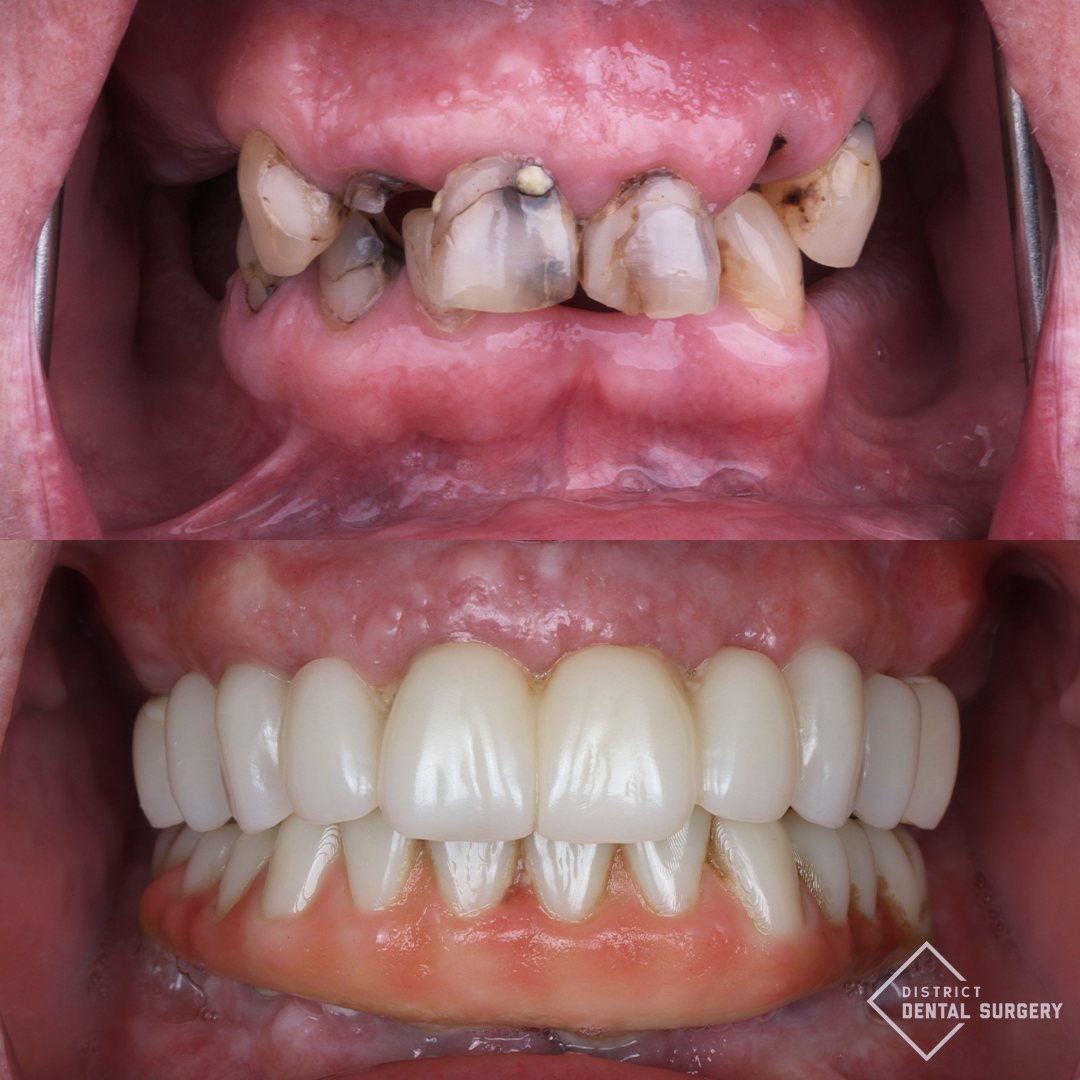
All-On-X Dental Implants
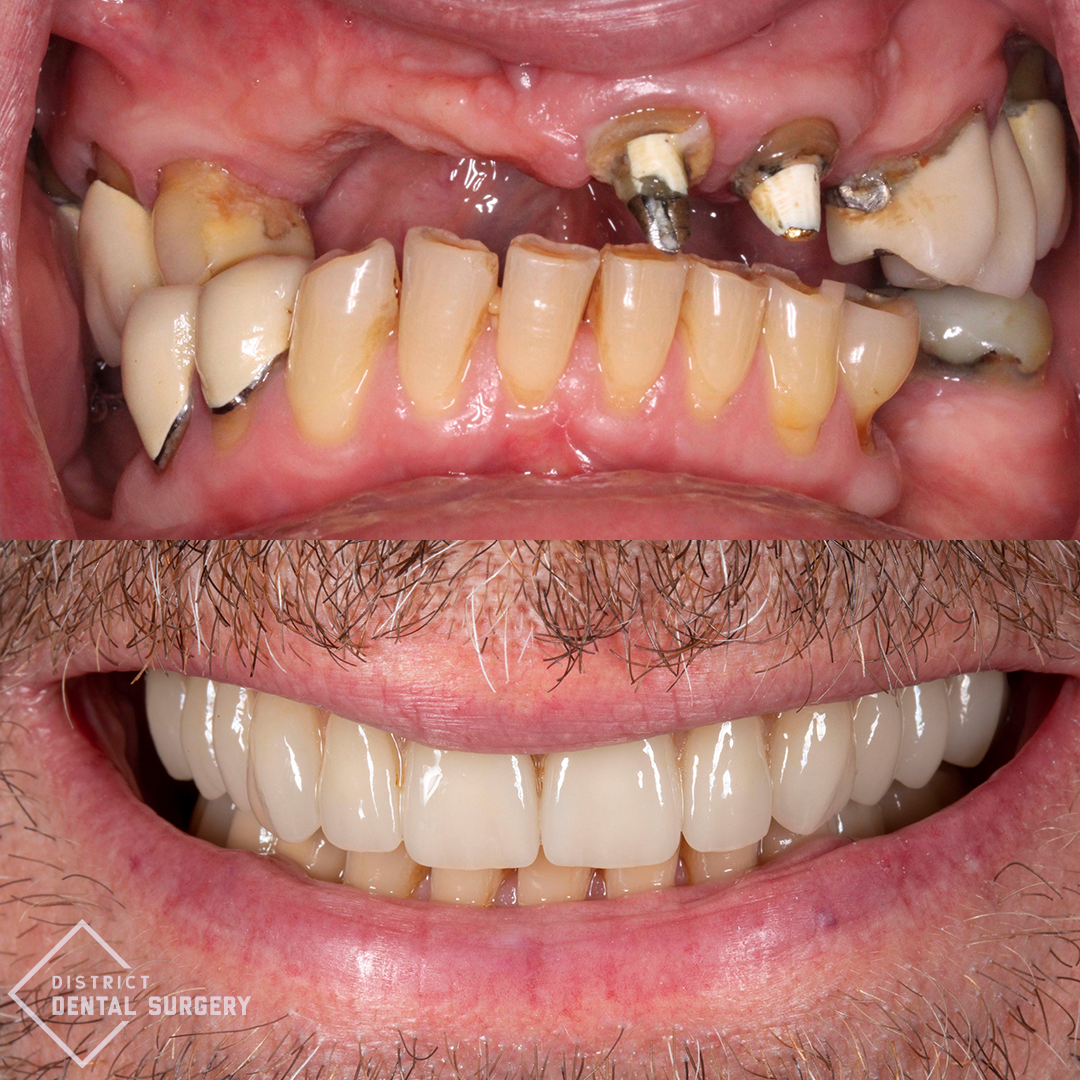
All-On-X Dental Implants
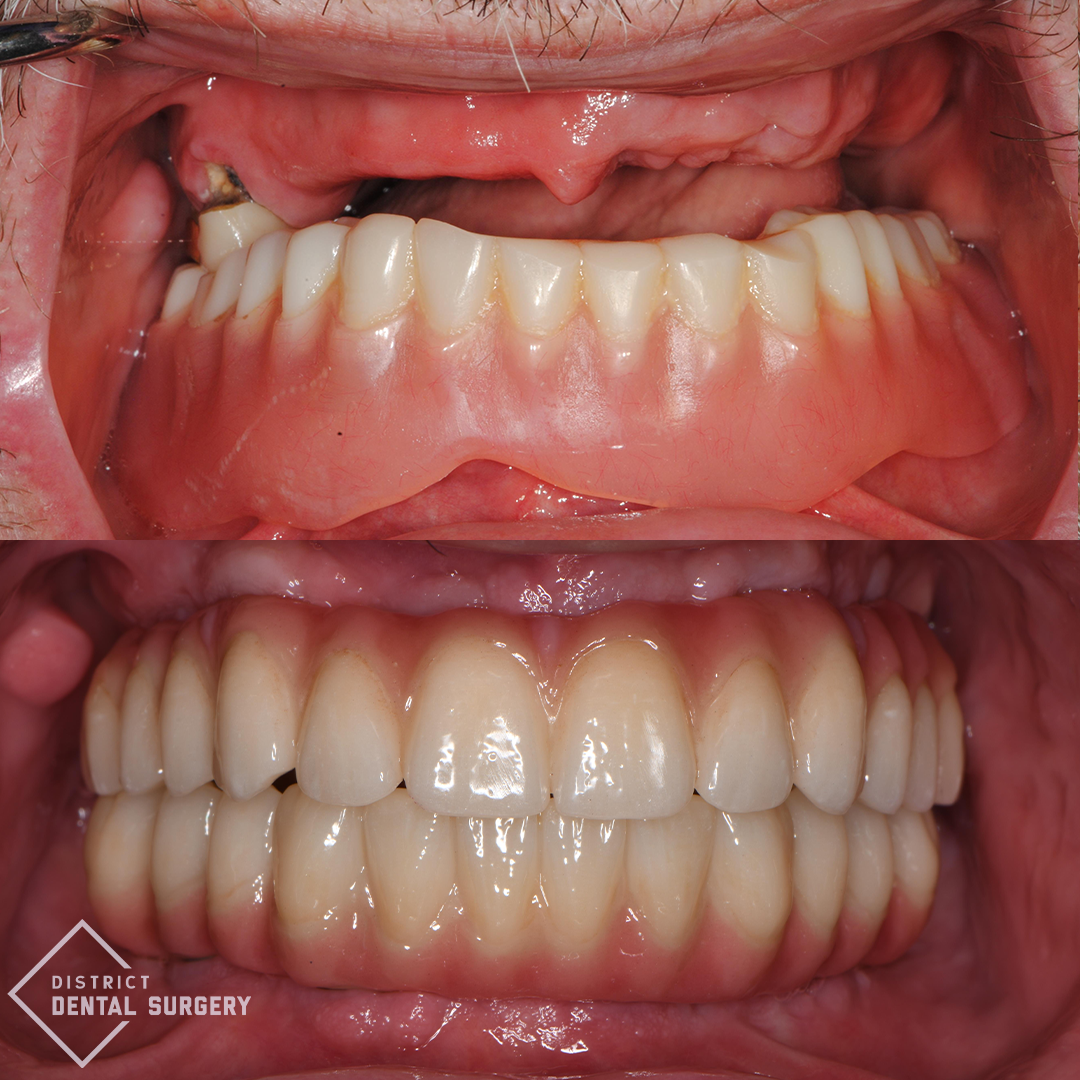
All-On-X Dental Implants
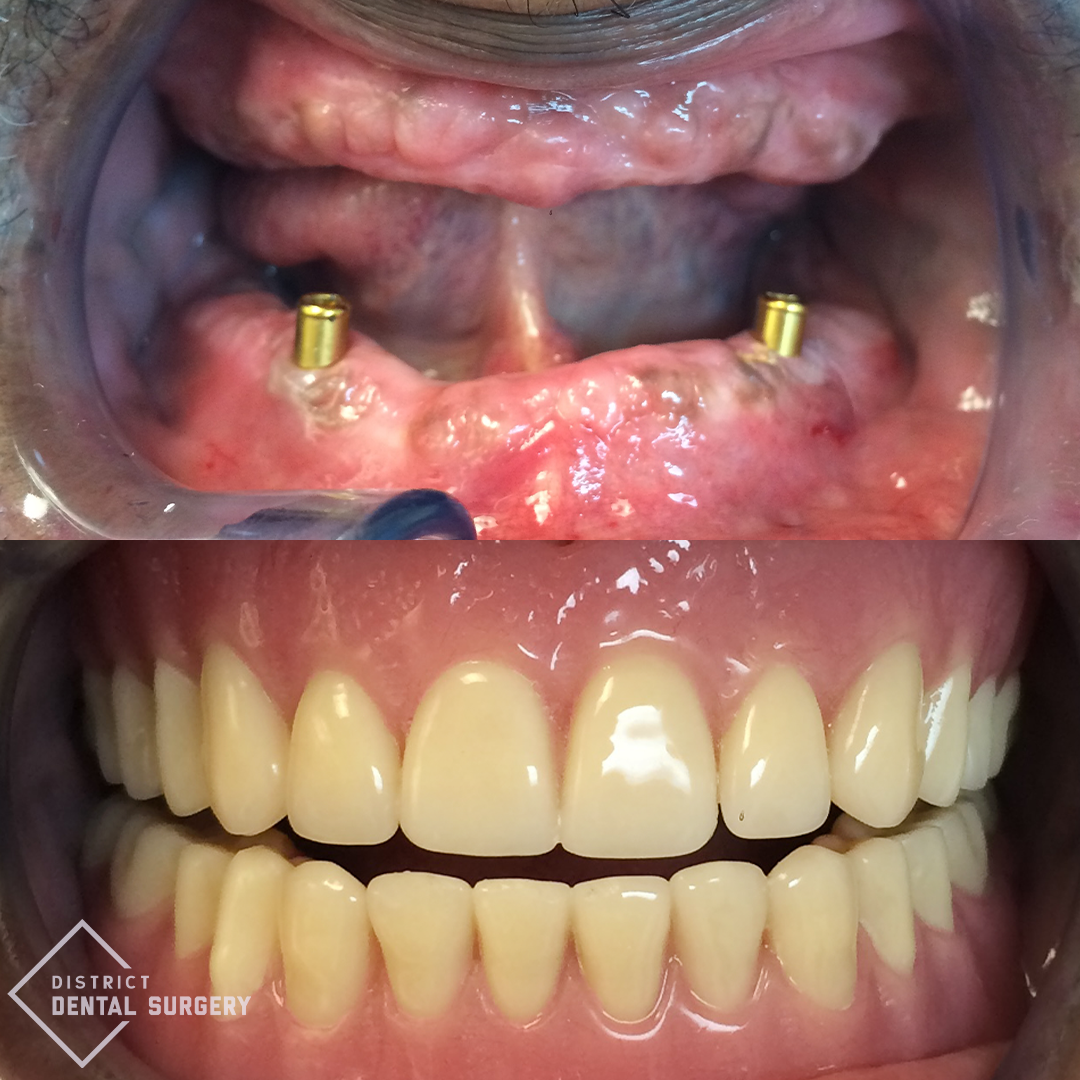
All-On-X Dental Implants
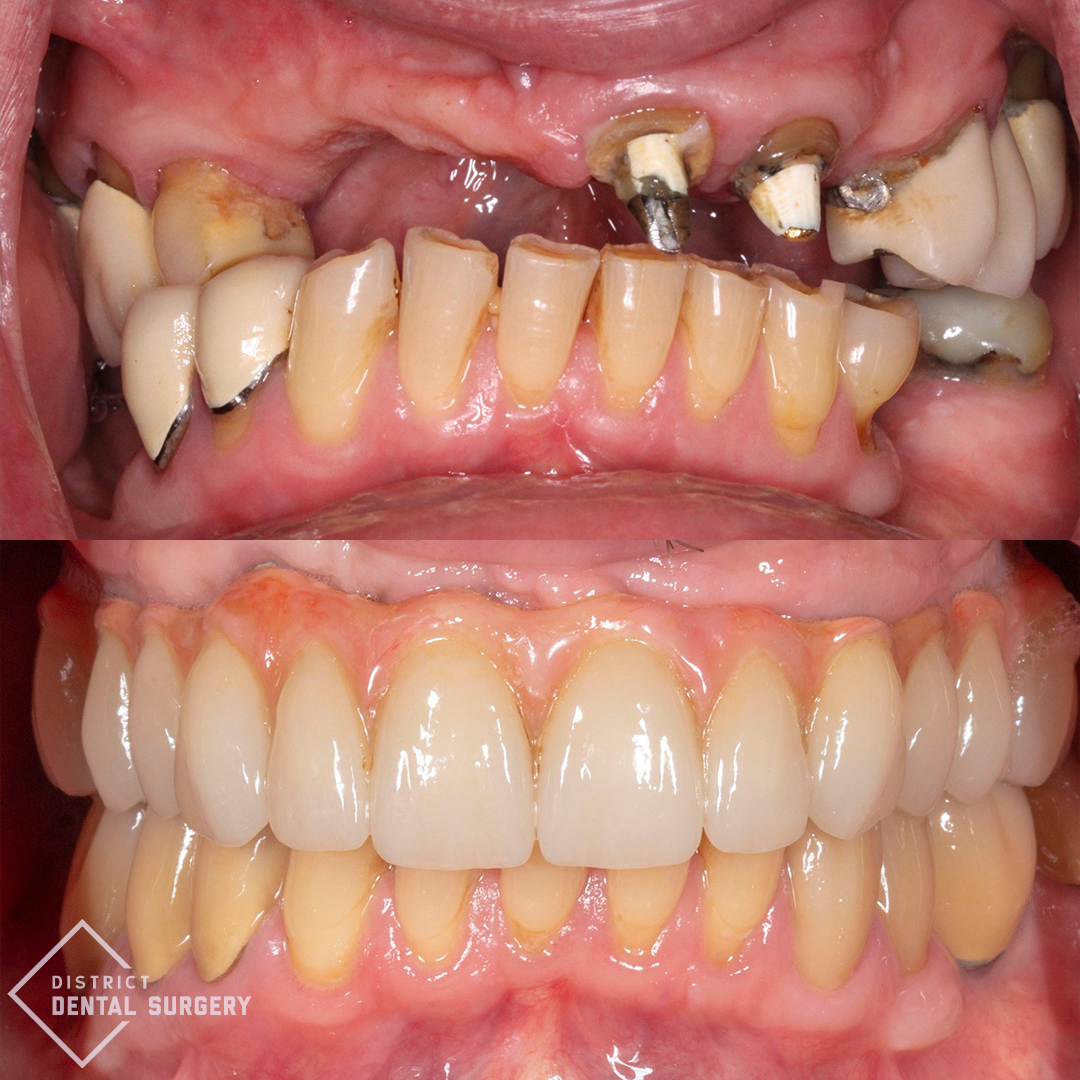
All-On-X Dental Implants
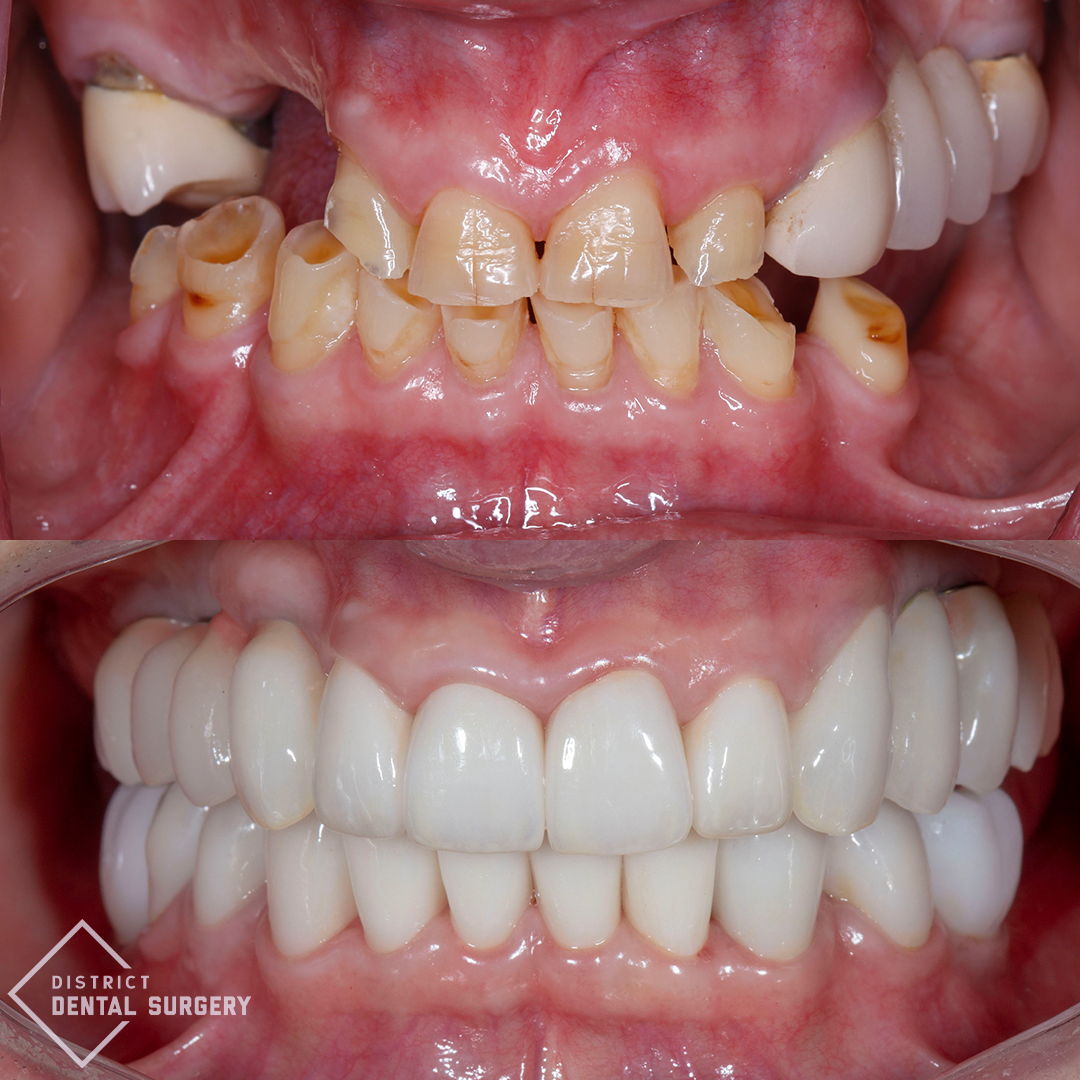
All-On-X Dental Implants
Testimonials
What Patients Are Saying
Dr. Yousefi was fantastic. She was calm, funny, and capable. She immediately put me at ease (I was pretty anxious). I have never been numbed up so quickly and near painlessly – and the rest of the procedure was then painless, too. She and her team gave clear directions as to what to do for the next 24 hours and beyond, what to eat, how to care for the flipper temporary tooth, and answered all my questions. The staff called me the next business day to follow up and answered more questions that I had come up with by then. Highly recommend.
Phyllis R.
Dr Lucy Johnson was the best! I really am grateful for her help with my dental issue, and so impressed how fast she got me in and that she was so understanding of my dental anxiety! She made sure my anxiety was controlled before my appointment and was extra careful to ensure no pain during the procedure at all. Highly highly recommend!
Halima B.
Dr. Mahboub and her team did a wonderful job for my special issues with two implants that have to be removed. They did their best to keep me comfortable during the long procedure.
Maurice S.
My family and I have been patients for maybe 10-15 years! After trying a bunch of different dentists, we found Dr. Yousefi and have been happy with her team and their services ever since. She has helped us with minor issues as well as major long-term care, including a broken tooth and a few implants. The service has always been amazing, and we are very happy with the quality and expertise here. The new, amazing facilities with super convenient parking are just the cherry on top!
Dmitry K.
I was referred to District Dental for surgery, and it turns out that they are one of the best dental offices I have ever been to. The office is very modern and clean, and the employees are friendly and knowledgeable. I had no pain after my surgery, and my recovery was excellent.
Greg C.
I had a front tooth extraction with a bone grafting procedure done by Dr. Lucy Johnson, and the experience was excellent from start to finish. She explained everything clearly, made me feel completely at ease, and everything went so well during the surgery.
The recovery has gone better than expected. I was thinking that my temporary would look rugged, but it looks better than my natural tooth! The procedure was painless and recovery has been a breeze- very minimal discomfort. Her team was professional, kind, and responsive throughout. I truly appreciate the level of expertise and compassion Dr. Johnson brings to her work. Highly recommend her to anyone!
Sandra G.
I had gum recession on my molars from brushing too hard. I saw Dr Lucy Johnson and she was amazing. She was kind, patient, and thoroughly explained everything they were doing, including my treatment plan, and answered any questions I had. I couldn’t be happier with my outcome! I would highly recommend.
Dylan P.
Dr. Mahbub is fabulous. She did my periodontal cleaning and carefully explained what she was doing and why. She was very patient, constantly asking if I was ok during the procedure. She provided advice to reduce plaque buildup, and showed me techniques to prevent future plaque. Her professionalism, empathy, and skills are superb.
Ann A.
Two weeks post-surgery and I couldn’t recommend this office more. Both doctors are wonderful and clearly very experienced with a patient-first mindset. The office followed up frequently after my surgery to ensure I was recovering well and to answer any questions. After two weeks, I have no pain from the surgery and the gums have already healed up. If you are in need of any dental surgery work, I would 100% recommend this office!
Michael A.
Sara is an excellent dental hygienist and really cares about her patients. She is very good at providing a regimen to help my gums. Dr. Eskow did my gum revision surgery years ago and he’s the best. I recently needed some more work done around the come on 12 and Dr. Eskow handled it beautifully, and his assistant Emily was great.. And the staff at the front desk always makes it a pleasant visit.
Mimi B.
Sholto S.
I’ve been a patient of Dr. Raha Yousefi for over two years, and she is truly one of the best. From day one, her professionalism and genuine care for her patients were evident. Dr. Yousefi’s expertise in dentistry is outstanding, and she takes the time to explain every step of the treatment, ensuring I feel comfortable and informed. Her warm and compassionate personality makes every visit a pleasant experience, and it’s clear she deeply values her patients. The staff at her practice is equally amazing—always friendly, professional, and welcoming. I highly recommend Dr. Yousefi to anyone seeking a dentist who combines professional excellence with heartfelt care.
Cezanne B.
District Dental Surgery Locations