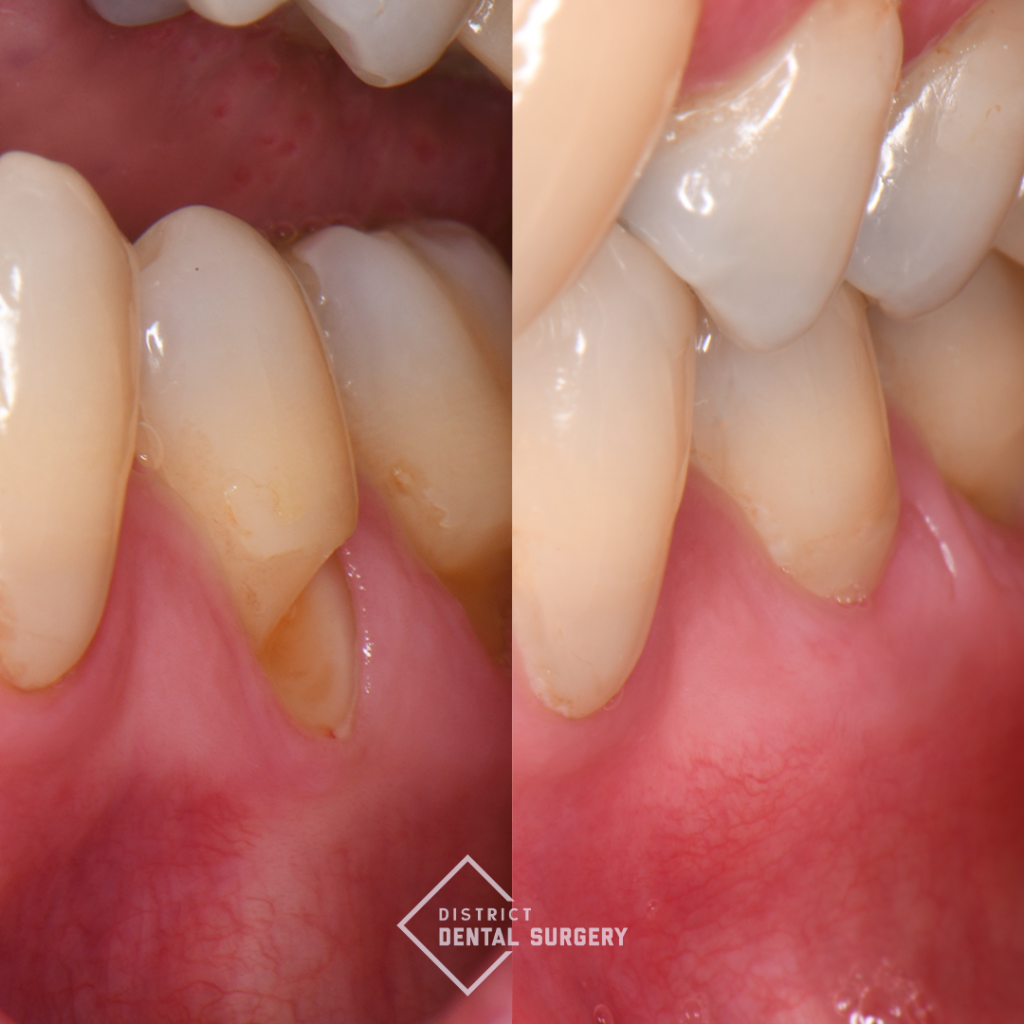
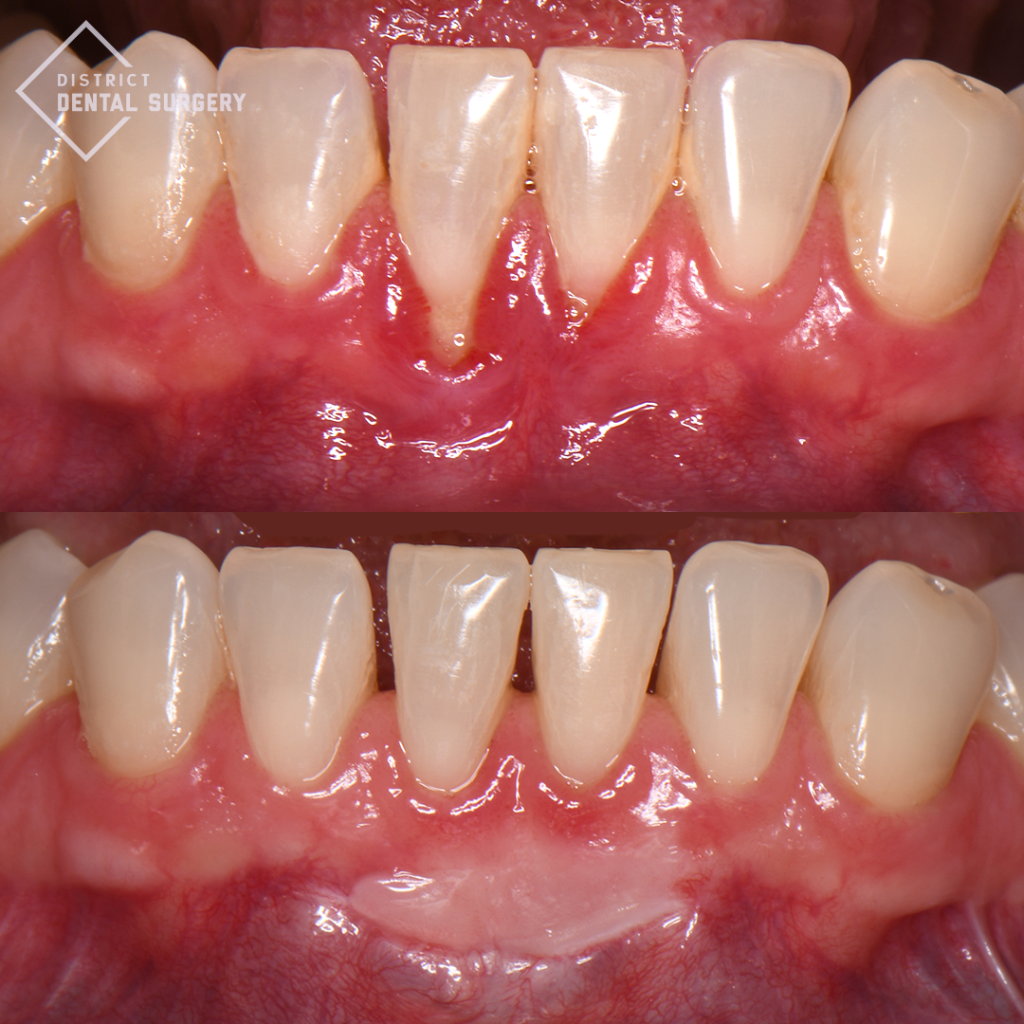
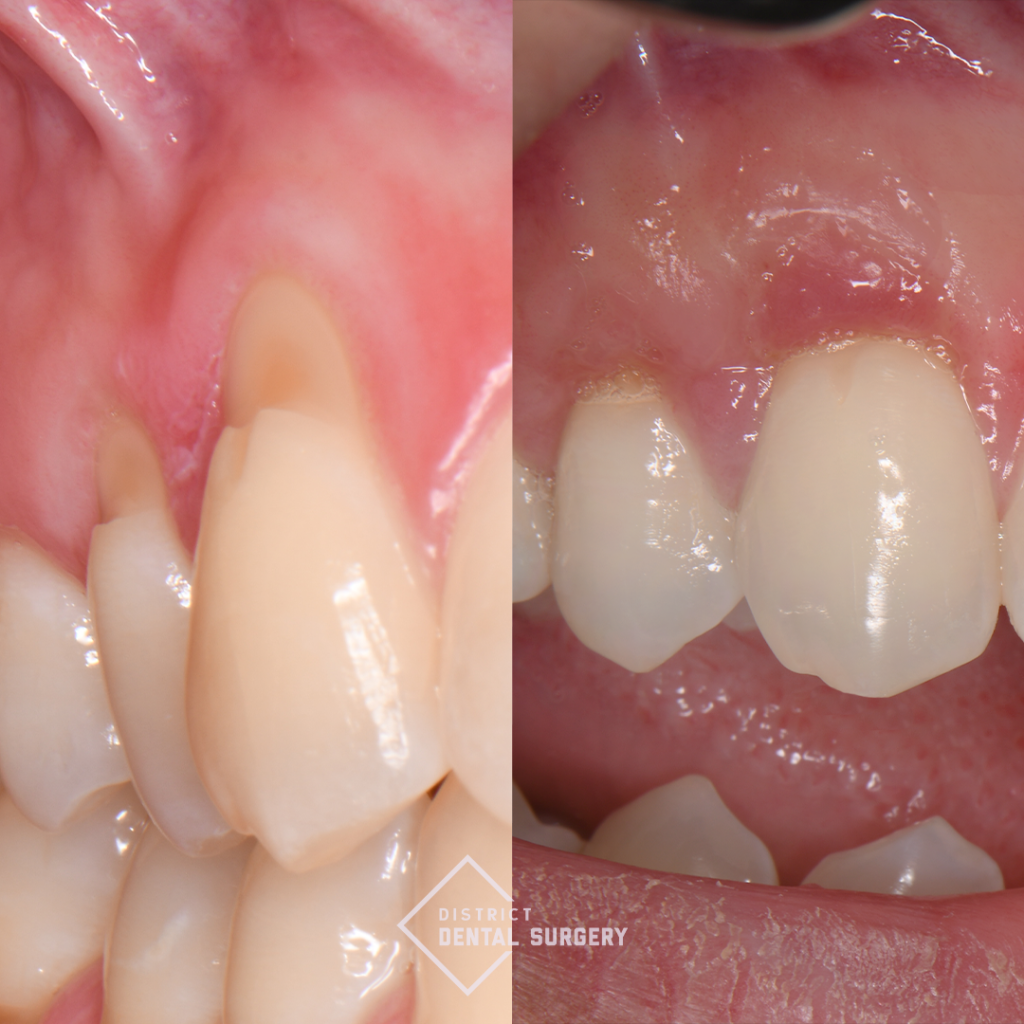
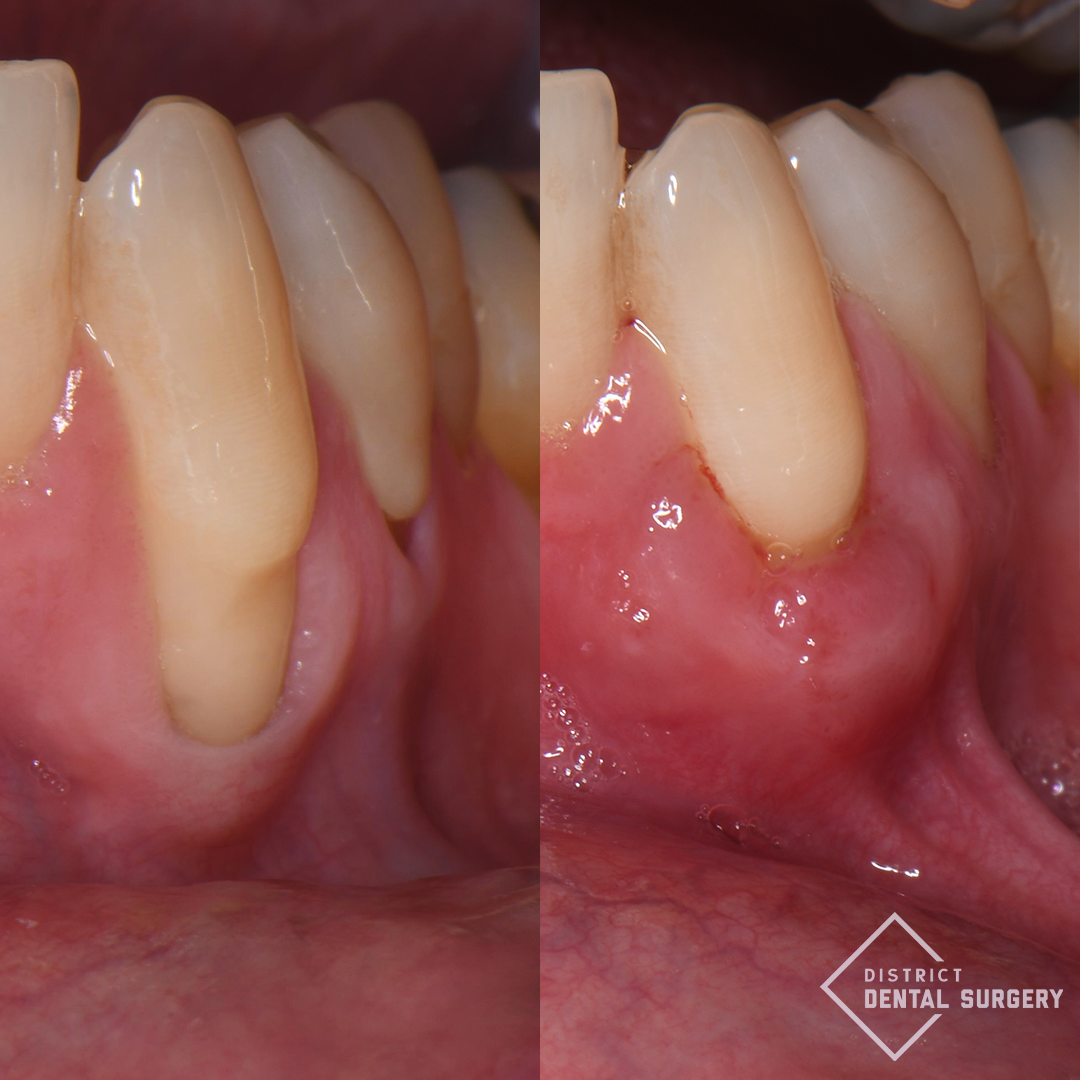
Surgical
Gum Grafting
If you’re experiencing gum recession, sensitivity, or exposed tooth roots, gum grafting could be the solution to protect your smile and restore your oral health.
At District Dental Surgery, our skilled periodontists in Washington, DC and Bethesda, Maryland, specialize in advanced gum grafting procedures designed to rebuild gum tissue, prevent further recession, and improve the appearance of your smile. Whether caused by periodontal disease or aggressive brushing, we offer personalized treatment plans using the latest techniques to ensure lasting results and a healthier foundation for your teeth. Trust the experts in the DC Metro area for precision periodontal care.
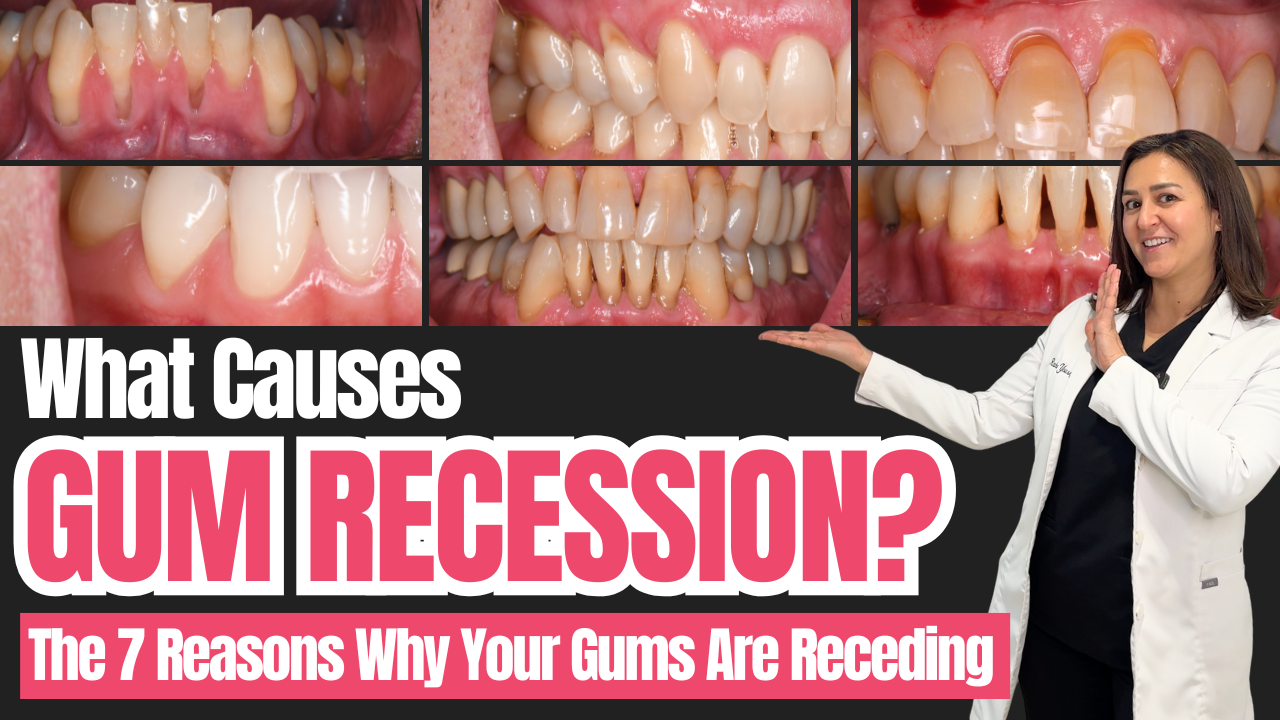
What Causes Gum Recession?
Gum recession can occur for several reasons, including:
- Gum Disease: The most common cause, periodontal disease, destroys gum tissue and supporting bone.
- Aggressive Brushing: Brushing too hard or using a hard-bristled toothbrush can wear away gum tissue.
- Teeth Grinding (Bruxism): Excessive pressure from clenching or grinding can contribute to gum recession.
- Genetics: Some people are naturally predisposed to thinner gum tissue.
- Tobacco Use: Smoking and chewing tobacco reduce blood flow, weakening gums.
- Poor Oral Hygiene: Plaque buildup leads to gum inflammation and eventual recession.
- Orthodontic Treatments: Braces and misaligned teeth can put strain on gums, causing recession.
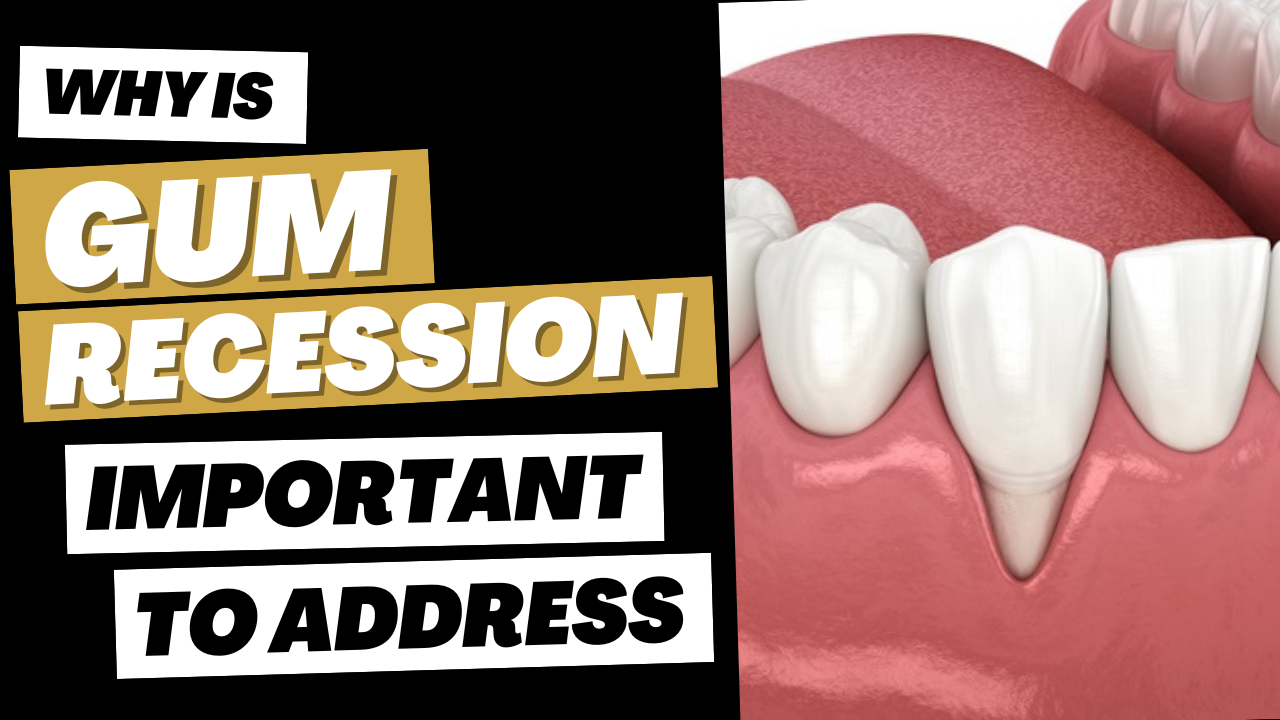
Why Is It Important to Treat Gum Recession?
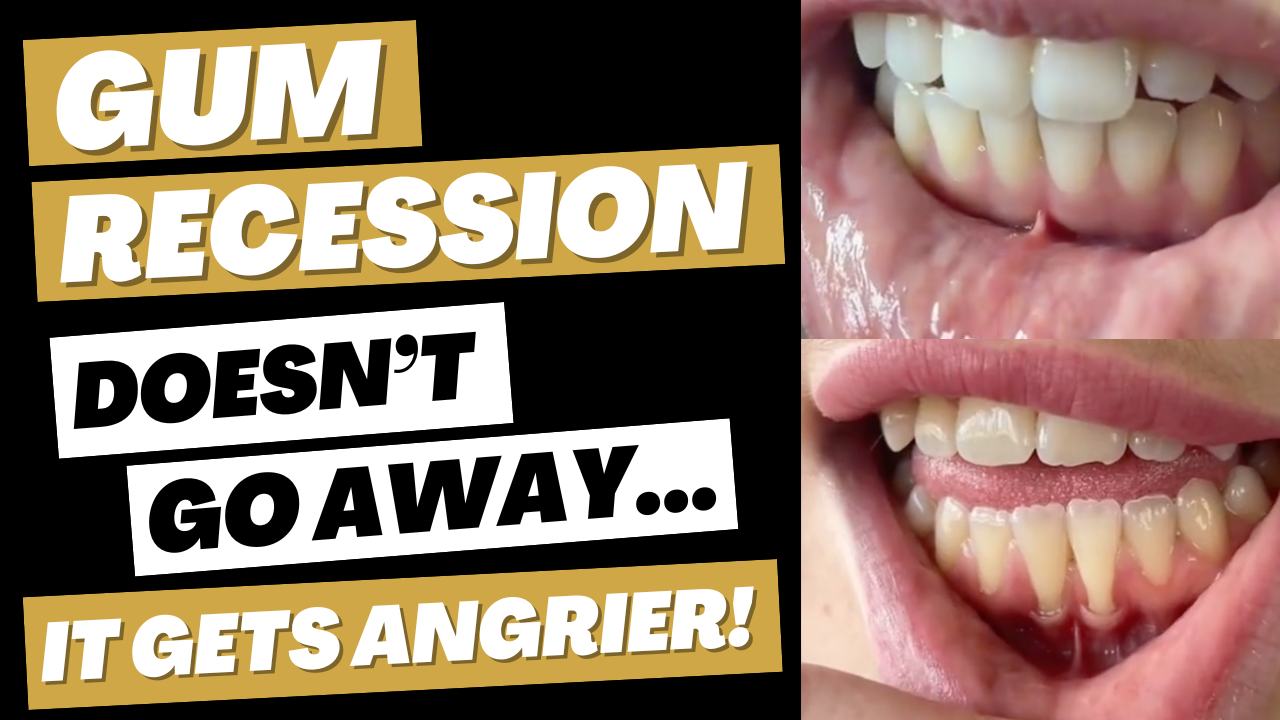
Gum recession doesn’t fix itself, and once the gums pull away, they don’t grow back on their own. It’s a progressive condition and a sign that the support system around your teeth is weakening. If left untreated, the problem will worsen over time, even if you’re not experiencing any symptoms yet. It can lead to more invasive (and costly) treatment later, so the earlier you address it, the easier it is to protect your oral health. If left untreated, it can lead to:
1
Bone Loss & Tooth Loss
Your gums protect the bone that supports your teeth. When the gumline recedes, the underlying bone begins to break down, and this can lead to tooth loss.
2
Tooth Sensitivity
As the roots of your teeth become exposed, you may feel pain when eating or drinking hot, cold, sweet, or acidic foods. In some cases, just brushing or touching the area can hurt.
3
Increased Risk of Decay & Infection
Exposed roots are more vulnerable to cavities and plaque buildup, which can lead to more aggressive gum disease. Root cavities are harder to treat than traditional cavities, further increasing the risk of tooth loss.
Gum Grafting: The Solution for Receding Gums
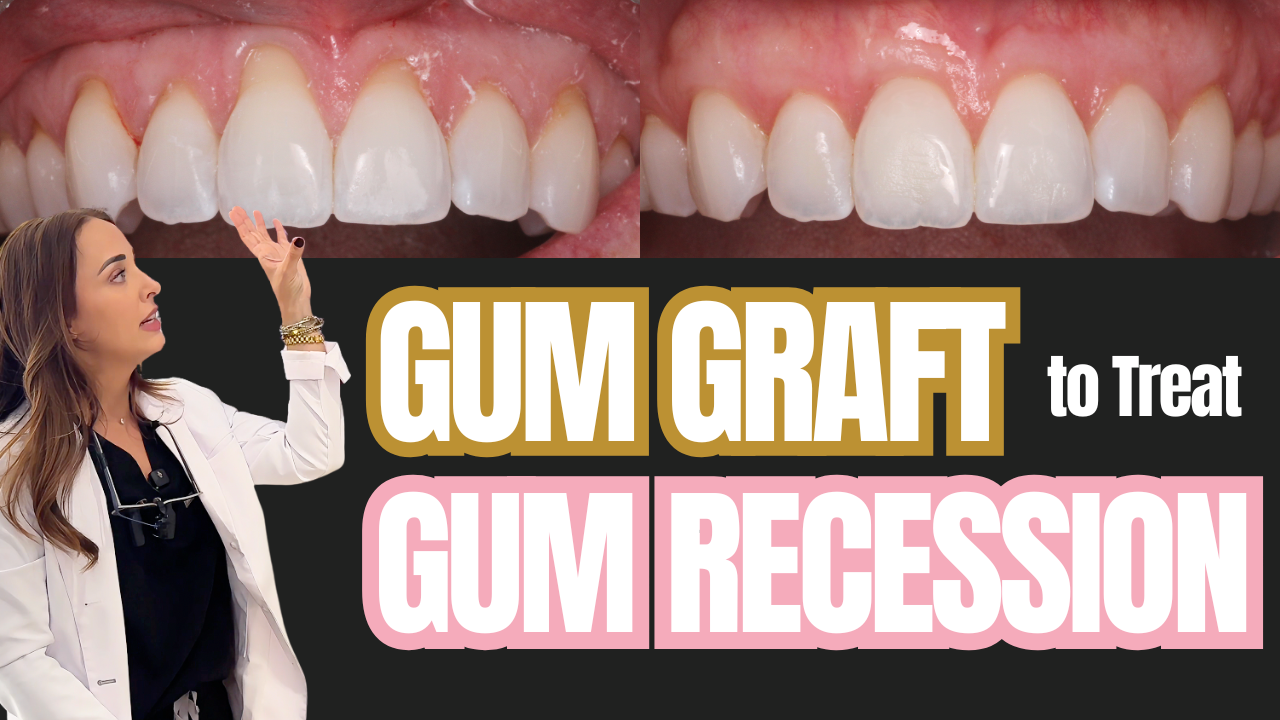
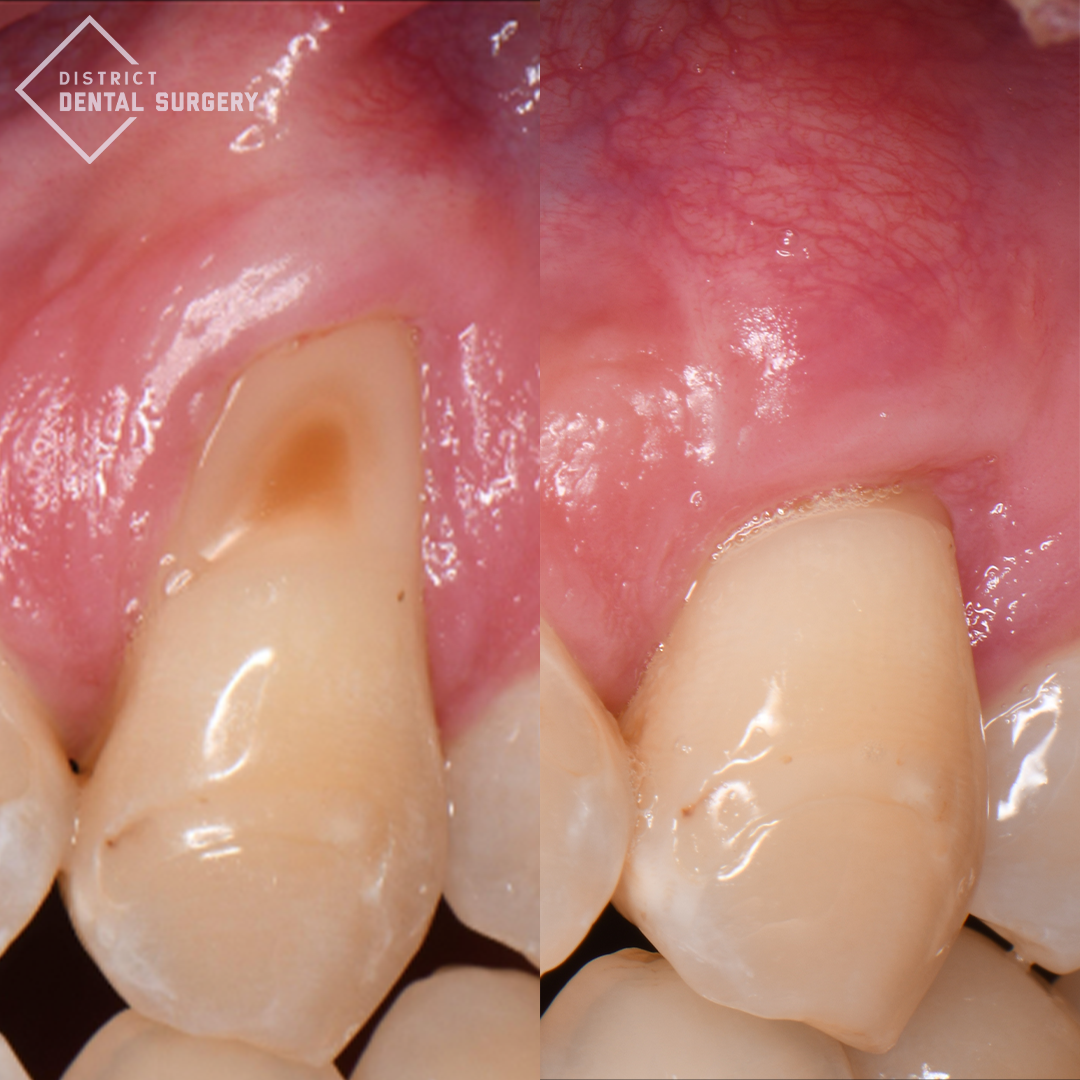
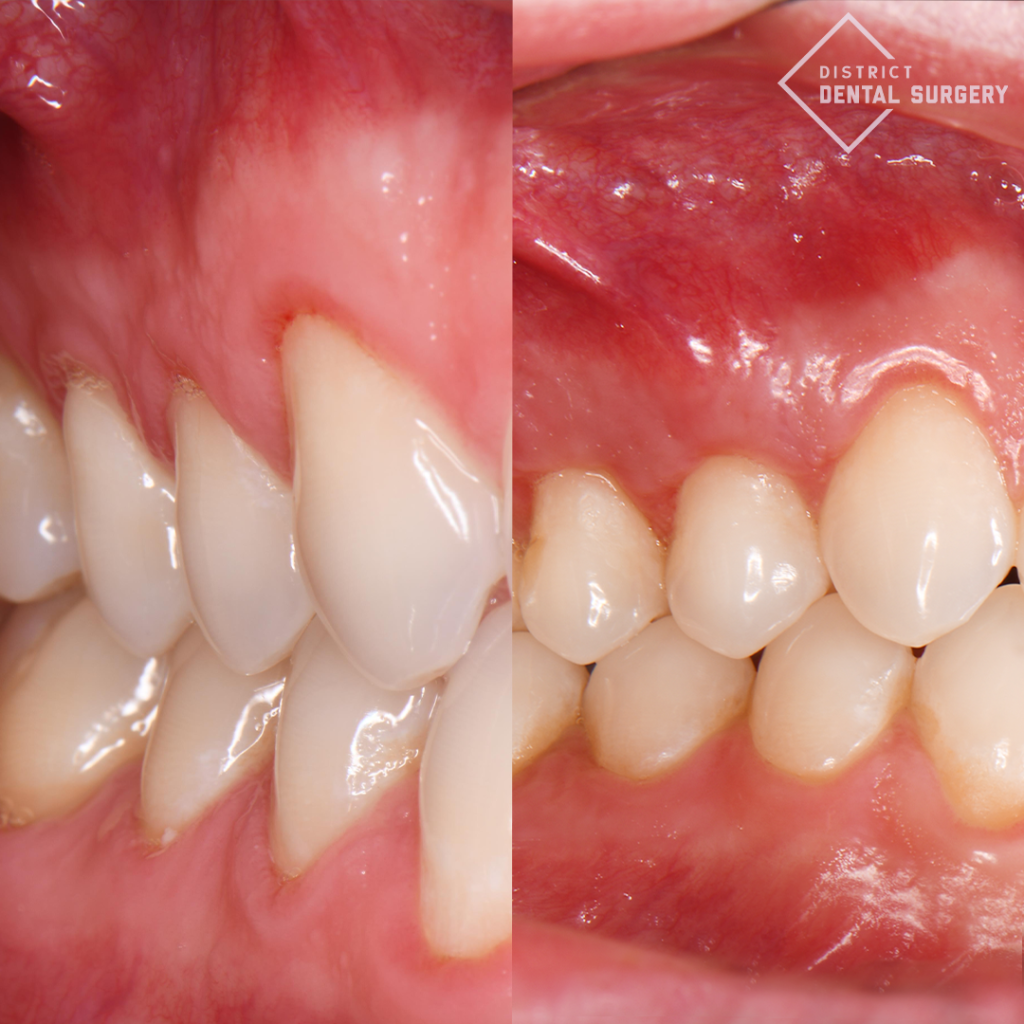
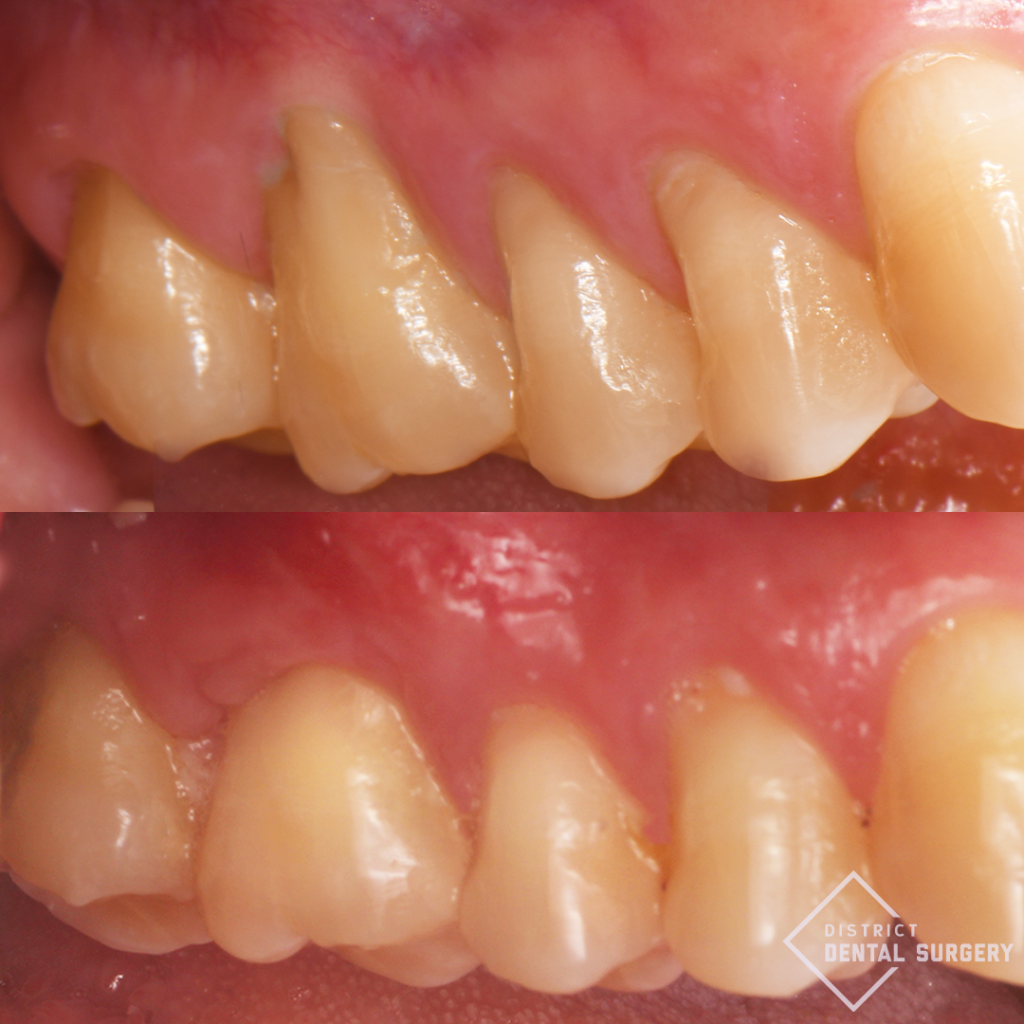
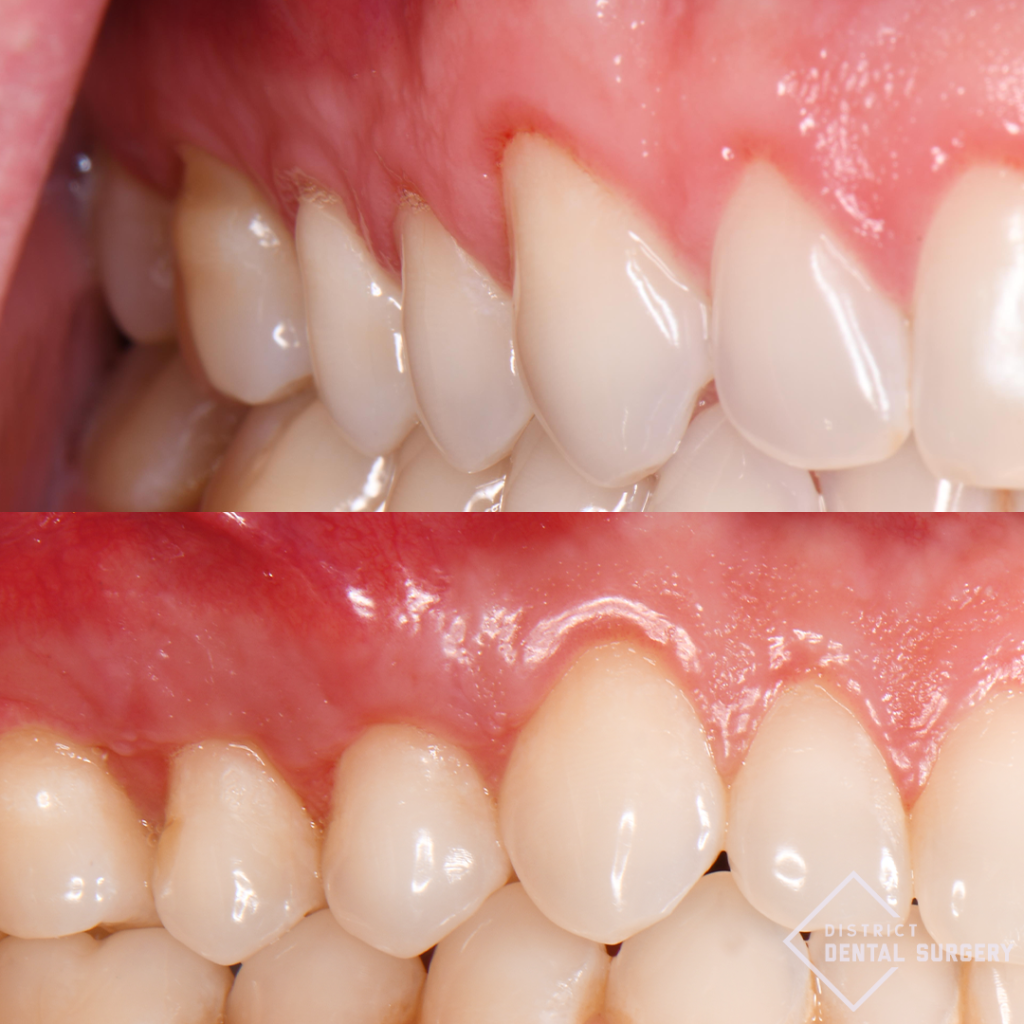
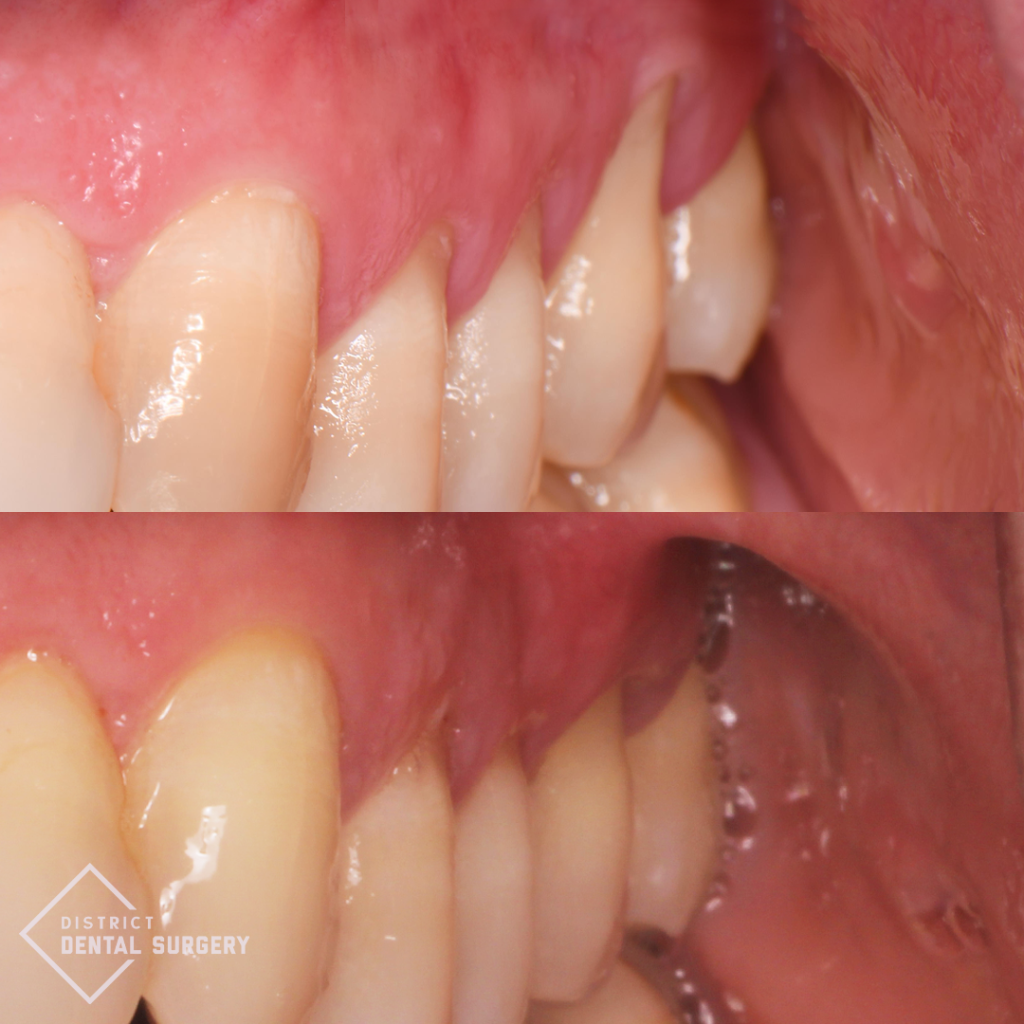
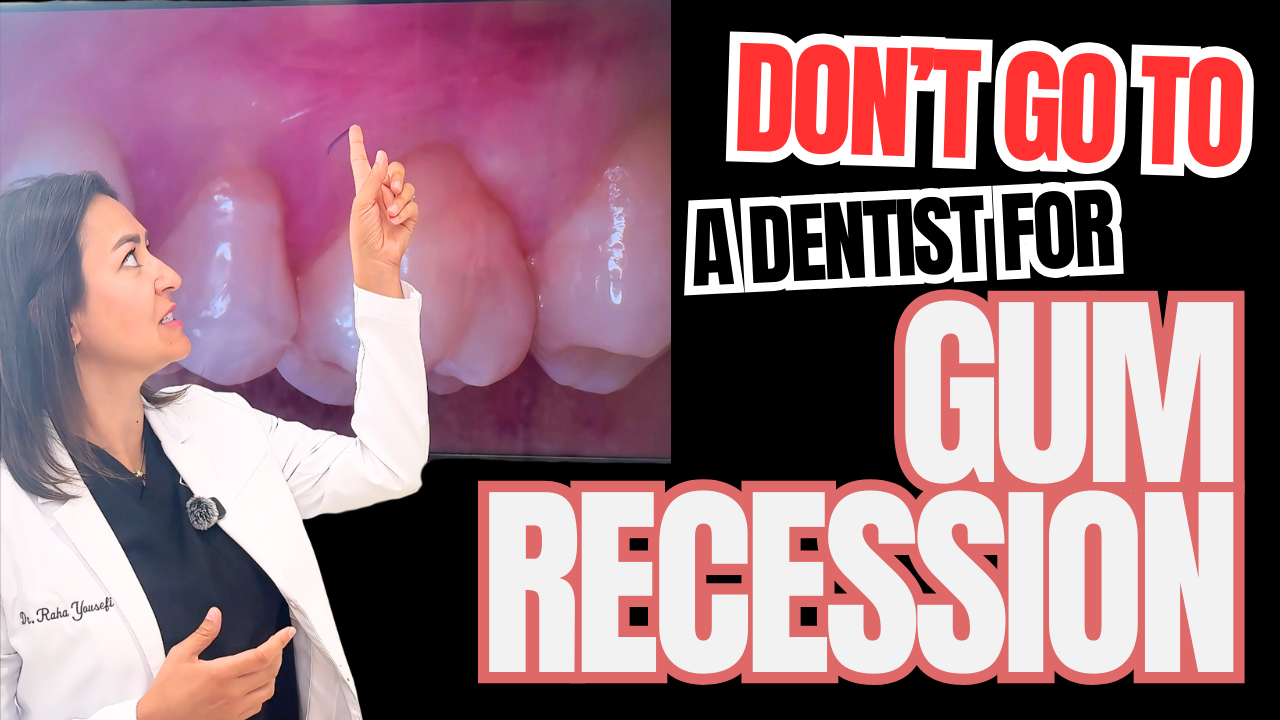
Gum grafting is a trusted solution that restores lost gum tissue and helps protect your teeth for the long term. At District Dental Surgery, we offer advanced gum grafting techniques to rebuild the gum line and improve both the health and appearance of your smile. The procedure involves carefully placing new tissue (often from your own mouth or a donor source) over the areas of recession. This not only covers exposed roots but also creates a healthier, more stable gum foundation.
With expert care from our periodontists, gum grafting is a straightforward and effective way to reverse gum recession and support your overall oral health.
How Do You Know If You Need Gum Graft?
Not sure if a gum graft is right for you? You’re not alone. Gum recession often happens gradually, and many people don’t notice the signs until it becomes more advanced. Here are some common indicators that you may benefit from a gum graft: your teeth look longer than they used to, increased tooth sensitivity, and visible root surfaces. The best way to know if you need a gum graft is through a professional evaluation. Dr. Raha Yousefi, Dr. Lucy Johnson, Dr. Syeda Mahbub, and their team will assess your gum health, measure the recession, and recommend the best course of action to keep your smile strong and healthy for years to come.
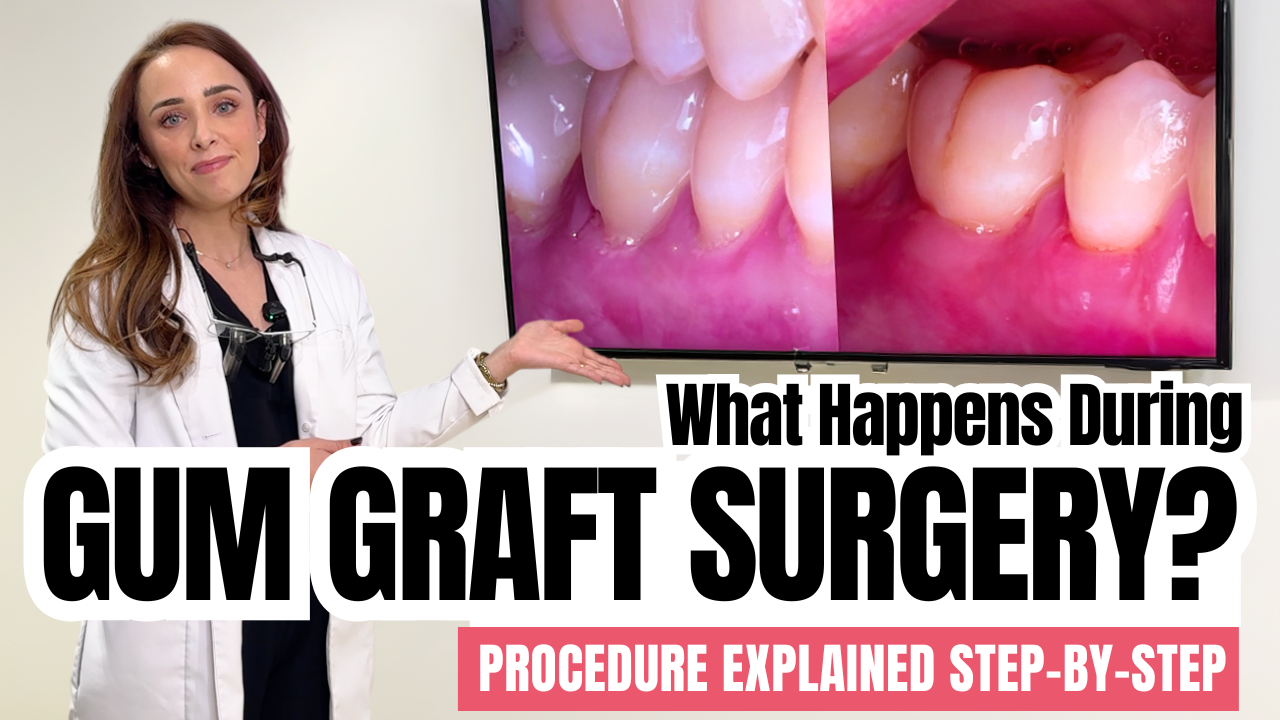
Gum Graft Surgery Explained Step-by-Step:
Below is a step-by-step process of how gum grafting works. We also have a video where we walk through a real gum graft surgery, using patient photos to explain the entire process from start to finish. Click to watch.
Step 1
Preparing the Gum Tissue
Once the area is completely numb, small incisions are made where the gum meets the tooth. These incisions are made around the tooth being treated and the neighboring teeth so the gum tissue can be gently lifted. Using microsurgical instruments, the gum tissue is carefully released and elevated. This creates the flexibility needed to move the gums upward and cover the exposed root surface. Once the site is prepared, the next step is to collect the graft tissue.
Step 2
Taking the Graft from the Roof of the Mouth
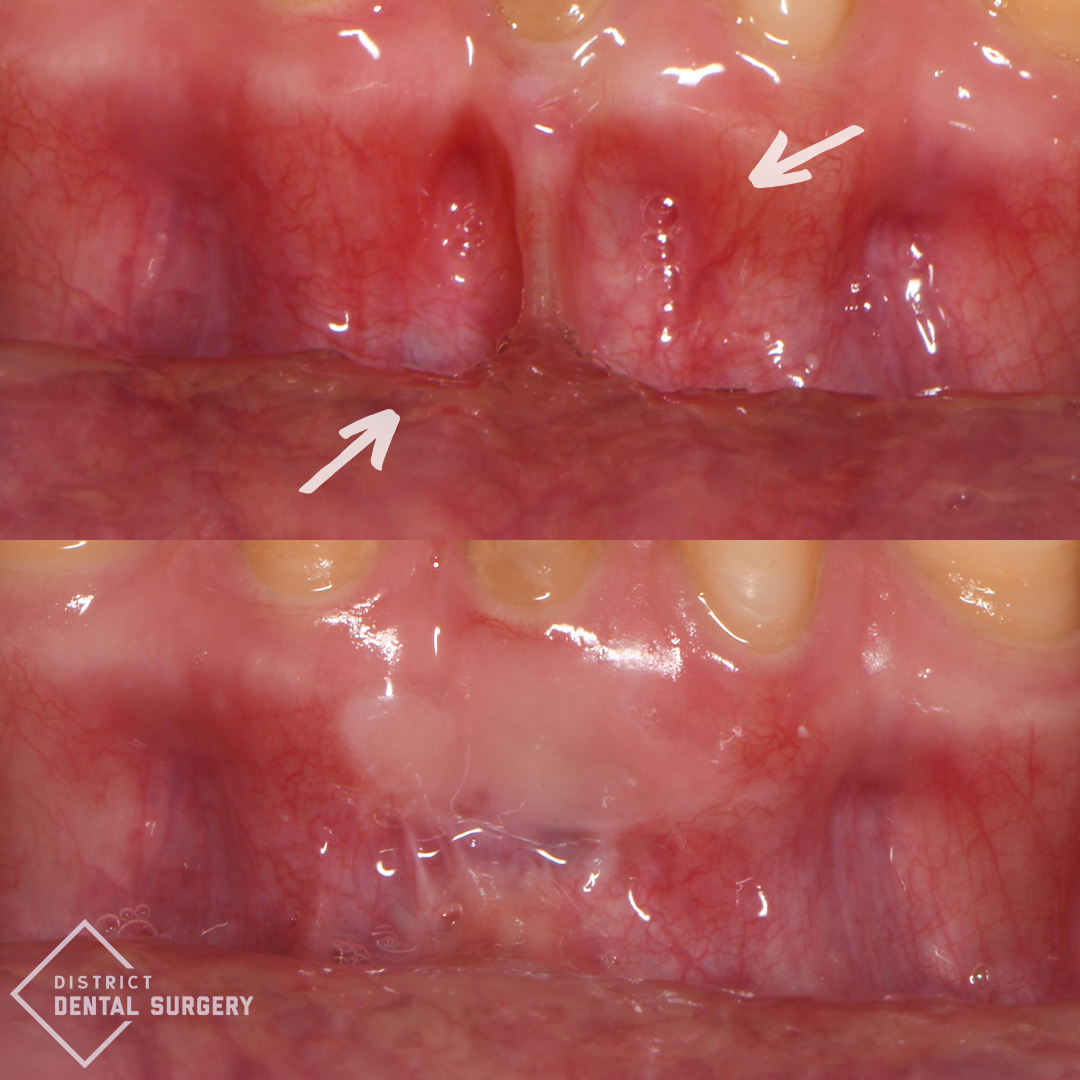
The graft tissue is taken from the roof of the mouth (palate) using a very small, precise incision that is about the width of a scalpel blade. Even though the photos can look intimidating, the incision is extremely minimal, and the tissue edges come together neatly once sutured. Dissolvable sutures are placed to close the site. To explain how the graft is taken, imagine opening an envelope with a letter opener. A small incision is made, the tissue underneath is gently elevated, and the graft is removed from within that pocket. The outer layer of the palate remains intact, which helps the area heal quickly.
Step 3
Placing the Gum Graft
Once the graft is harvested and the palate is closed, the graft tissue is moved to the surgical site. The previously lifted gum tissue creates a small pocket, similar to the pocket on a sweatshirt. The graft is placed inside this space beneath the gum tissue. Dissolvable sutures secure the graft to the surrounding tissue. Additional sutures are placed to hold the gums in a slightly elevated position, covering the exposed root and keeping the graft stable while it heals. These sutures help ensure the graft integrates properly and stays in place as the tissue heals.
Step 4
The Two-Week Post-Op Visit
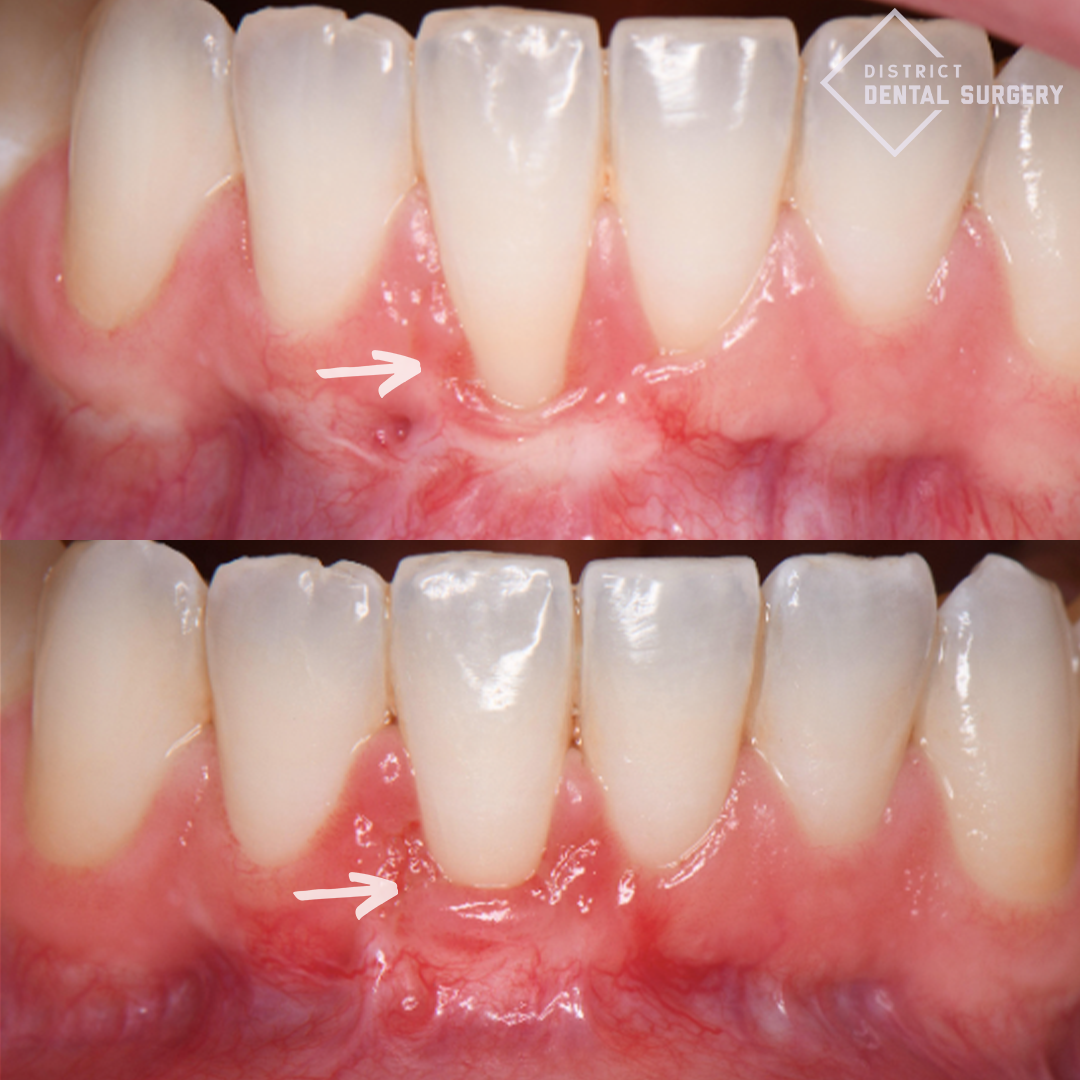
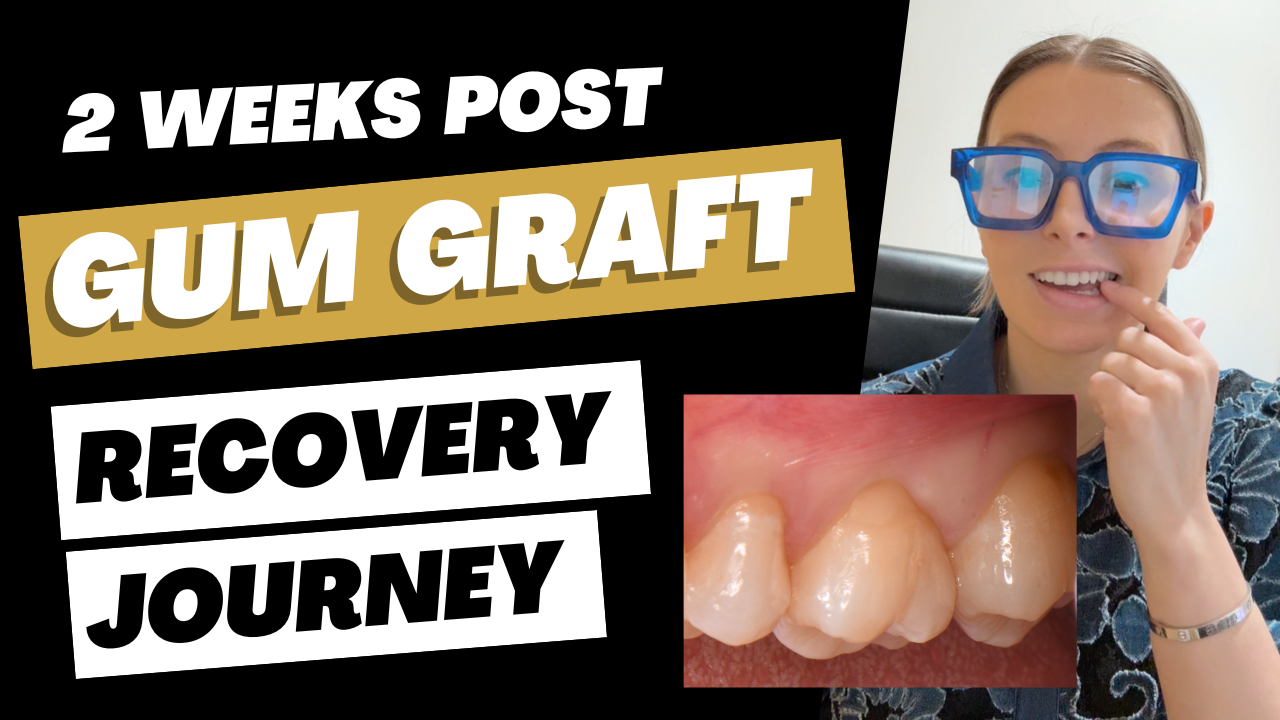
At the two-week follow-up appointment, the graft is already beginning to incorporate into the surrounding tissue. The gums appear thicker, and the root coverage is significantly improved compared to the starting point. The sutures remain in place at this stage to allow the tissue to mature and stabilize further. You may notice some plaque buildup in the area, which is completely normal. Patients are instructed not to brush the surgical site during early healing to prevent disrupting the graft. Instead, antimicrobial rinses are used to keep the area clean until brushing can safely resume. The donor site on the roof of the mouth is also healing nicely at this stage. The dissolvable sutures are gone, and the incision is already filling in. Most patients report very little discomfort and often say they barely notice the area after the procedure.
Step 5
The Four-Week Post-Op Visit
At the four-month visit, the remaining sutures are removed, and the final outcome becomes more visible. The exposed root that once caused sensitivity is now covered with thick, healthy gum tissue. This added tissue thickness helps protect the tooth and provides a much more stable, long-term result.
Different Types of Gum Grafts:
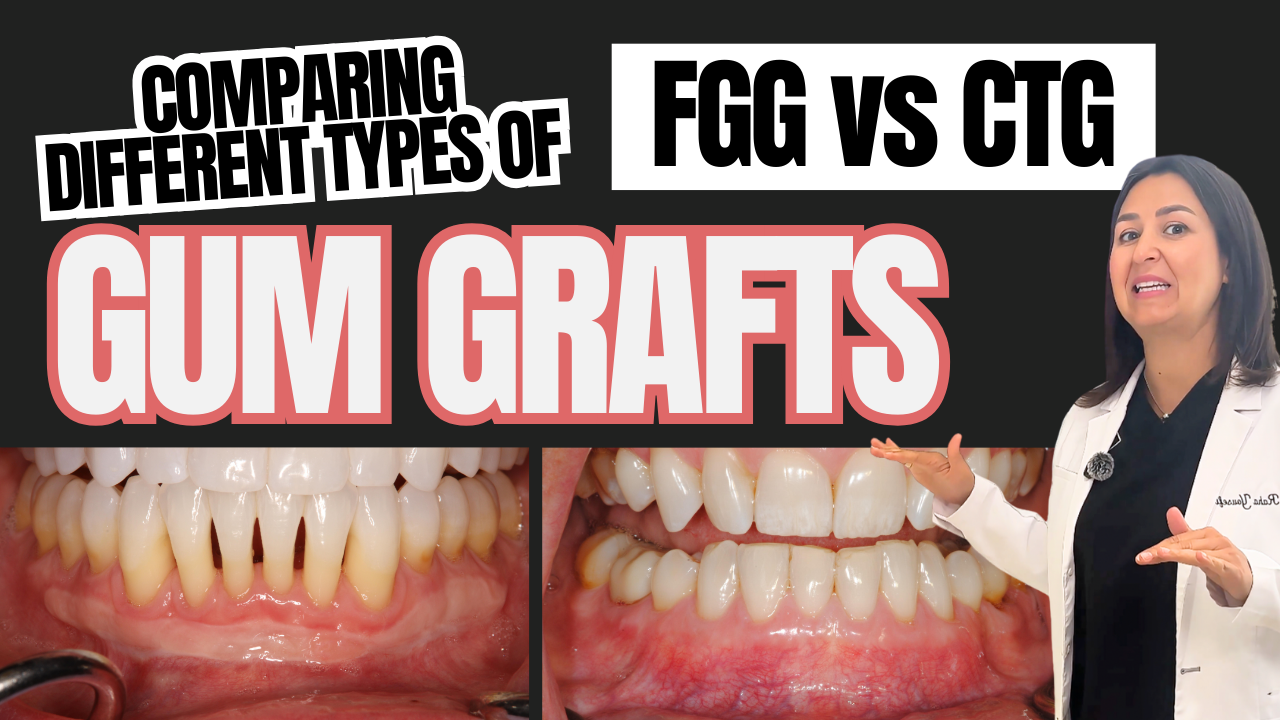
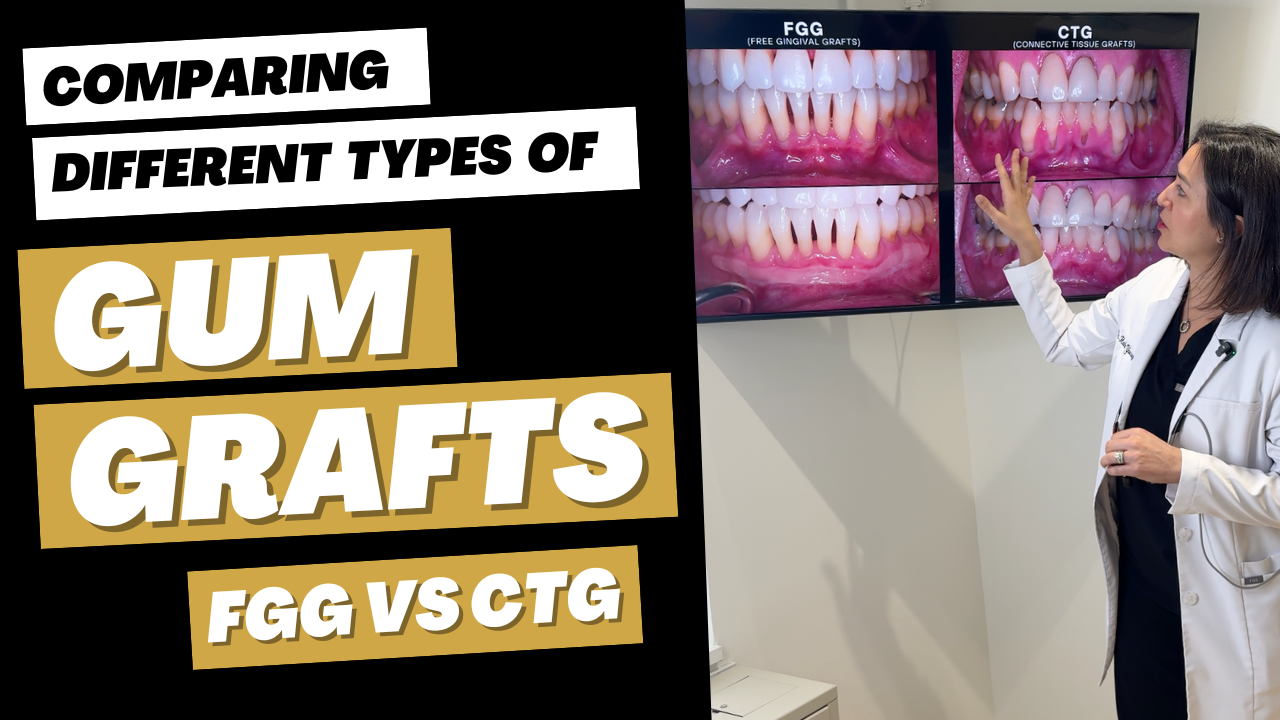
We tailor each gum graft procedure to your unique needs. Two of the most commonly used techniques are Connective Tissue Graft (CTG) and Free Gingival Graft (FGG). Both serve different purposes, but the goal is the same: healthier gums and a stronger smile.
- Connective Tissue Graft (CTG) is the most common type of gum graft. Ideal for covering exposed roots, improving gum recession appearance, and blending seamlessly with your natural gum line. During the procedure, a thin layer of tissue is placed in the area where your gums have receded. We can obtain this tissue in two methods:
- Autogenous (Your Own Tissue): A small piece of tissue is taken from the roof of your mouth (palate) and carefully placed and sutured to the area where your gums have receded.
- Non-Autogenous (Donor Tissue): This technique uses medically processed donor tissue. The graft is placed in the same way, but without the need to take tissue from the roof of your mouth.
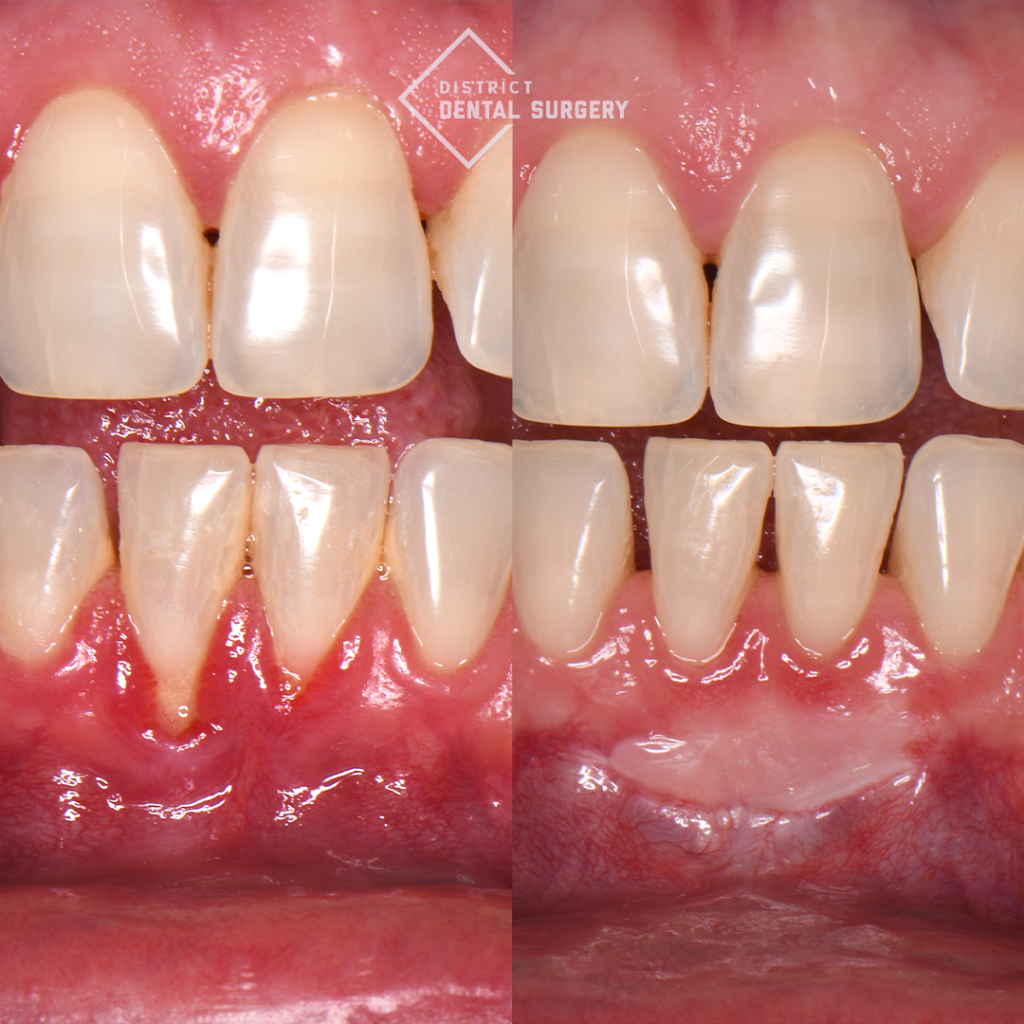
- Free Gingival Graft (FGG) is a type of gum graft that is used to increase the amount of thick, keratinized gum tissue around teeth, especially in areas where the gums are too thin or have receded. The procedure involves removing a thin layer of tissue from the roof of your mouth (palate) and transplanting it to the area in need. FGG is typically done more for functional purposes than for cosmetic reasons.
Why & How We Use the Roof of Your Mouth for Gum Grafting
One of the biggest fears patients have about gum grafting is the incision we make on the roof of the mouth. Most people imagine a large open wound or severe pain, but that’s not what actually happens.
We use a technique similar to opening an envelope. A very small incision, about the width of a scalpel blade, is made. The graft is gently removed from underneath, and the outer surface of the tissue stays intact. The area is completely closed with dissolvable sutures, allowing it to heal quickly and comfortably. There is no open wound, no missing chunk, and healing happens quickly.
As for the recovery of the roof of your mouth, most patients describe the sensation afterward as similar to a mild pizza burn, as if you eat a piece of hot cheese and it touches the roof of your mouth. Over-the-counter pain medication is typically more than enough.
The roof of your mouth is the best source of strong, healthy gum tissue. It allows us to treat recession, protect exposed roots, reduce sensitivity, and restore your gum health. The tissue also regenerates over time, so nothing is permanently lost.
Understanding the process helps remove the fear. When performed with precise technique, it is controlled, minimally invasive, and very manageable. It’s one of the most effective ways to protect your teeth in the long term.
What is the Recovery for Gum Graft Surgery?
After the procedure, you can expect some mild swelling or tenderness in the treated area for a few days. This is completely normal and can usually be managed with over-the-counter pain relievers or any medications we prescribe. We also recommend eating cold foods (ice cream, smoothies) for the first 1-2 days, as it will soothe the area and reduce swelling. We’ll provide you with detailed post-op instructions to help you heal comfortably. Most healing occurs within 2-4 weeks. You’ll notice gradual improvements as the graft matures.
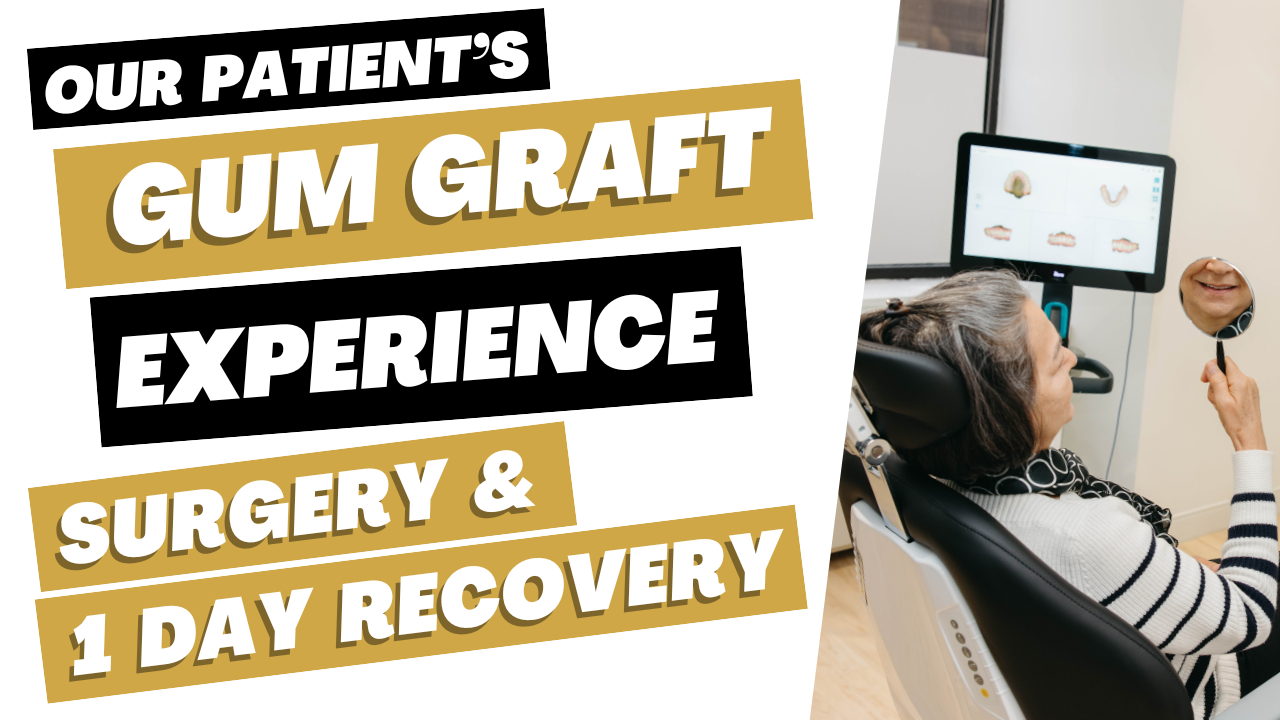
Video of Patient's Gum Graft Experience (Surgery & 1 Day Post-Op)
One day post-op and thriving!
Our patient documented her gum grafting journey with us, and she’s already looking and feeling great just 24 hours post-op! In this video, she shares what recovery has been like so far and how the surgery went.
If you’ve been nervous about the process, her experience might ease your mind.
Video of Patient's Gum Graft Recovery (2 Weeks Post Op)
2 Weeks Post-Op: Gum Grafting Recovery Update!
Our patient documented her gum grafting journey, and she’s now 2 weeks post-op! In this video, she shares how her recovery has been going and what to expect during the healing process. She just had her 2-week follow-up with Dr. Yousefi, who removed her sutures and checked on her progress.
If you’ve been wondering what recovery from gum grafting really looks like, this is a great firsthand look.
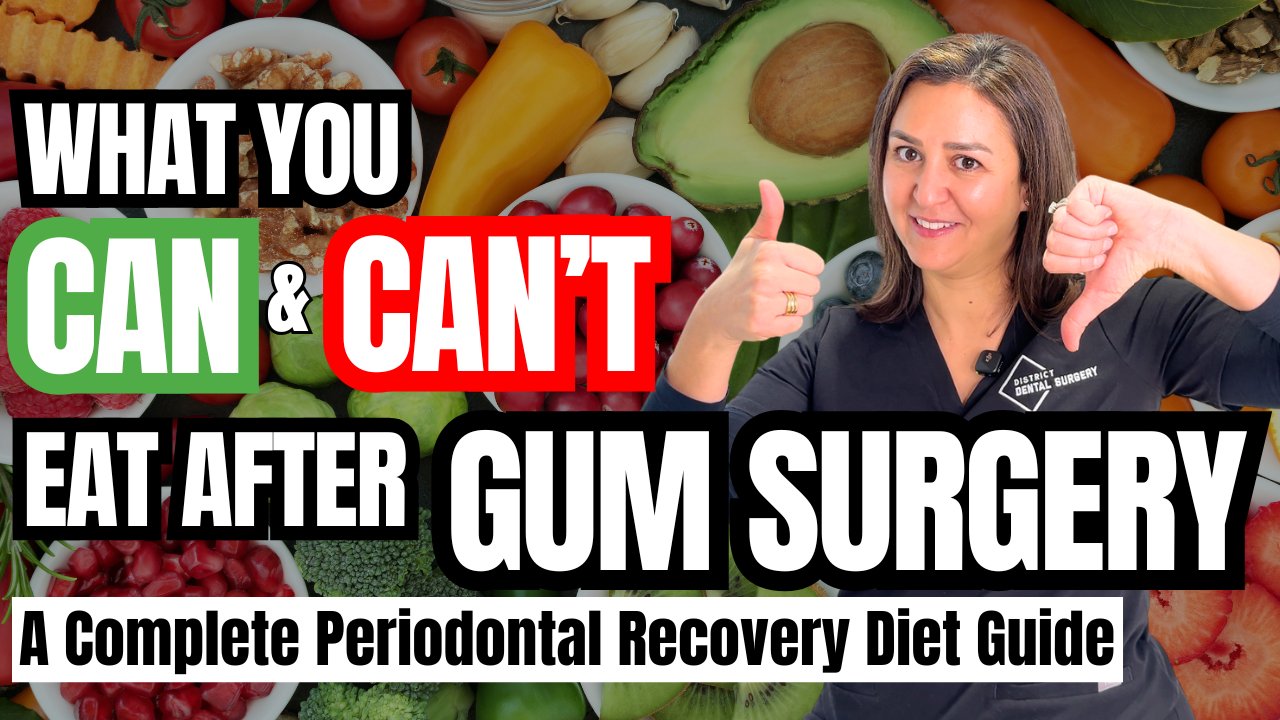
What Can I Eat After Gum Grafting Surgery?
A Complete Periodontal Recovery Diet Guide:
Eating the right foods post-operatively is just as important as the procedure itself, because what you eat after surgery plays a big role in how well and how quickly you heal. After surgery, your tissue is delicate and actively healing. The wrong foods can cause irritation, introduce bacteria, or physically disrupt the surgical site. Following a structured diet helps reduce discomfort, prevent complications, and support the best possible outcome.
For a complete list of recommended foods and everything to avoid during recovery, click to download our detailed diet guide.
Day 1
Immediately After Surgery/Day 1:
Keep It Cold and Soft. Right after surgery, your mouth will be tender, and cold foods can help soothe the area and reduce swelling. Stick to things like:
- Smoothies (no straws)
- Yogurt
- Ice cream
- Milkshakes
- Drink plenty of ice water!
Days 2-3
Days 2-3 After Surgery:
Stick to soft, cool, and non-irritating foods.
- Ice cream and sorbet (no nuts or chewy mix-ins)
- Smoothies (no seeds or chunks)
- Applesauce
- Mashed potatoes
- Scrambled eggs
- Yogurt (plain or smooth, no granola or fruit chunks)
- Oatmeal
- Protein shakes
- Broths and blended soups (lukewarm or cold)
- Pudding and custards
- Gelatin (Jell-O)
Tip: If you can, use the opposite side of your mouth when eating. Use a spoon instead of a straw to avoid suction pressure.
Days 4-7
Days 4-7 After Surgery:
You may begin to slowly incorporate more variety, but keep the foods soft.
- Soft pasta, such as mac and cheese or buttered noodles
- Cooked, soft vegetables (steamed carrots, zucchini, squash, sweet potatoes)
- Soft fruits (bananas, canned fruits, avocado)
- Tender cooked meats (ground turkey/beef/chicken, shredded chicken)
- Tofu
- Beans and lentils
- Soft fish (white fish and salmon)
- Pancakes and soft waffles
- Cottage cheese and soft cheeses
Week 1-4
1-4 Weeks After Surgery
As healing progresses, you can slowly return to a more normal diet, while continuing to be cautious and still avoiding anything too hard or sharp.
- Most cooked vegetables and fruits
- Soft grains, pasta, and rice
- Lean meats and poultry
- Soft sandwiches (no crust or toasted bread)
- Turkey, egg salad, tuna
- Muffins or banana bread
- Soft tortillas
Foods to Avoid Until Fully Healed
What to AVOID Until Fully Healed:
- Crunchy, Sharp, or Pointy Foods: Chips, Pretzels, Popcorn, Crackers, Granola, Nuts (almonds, peanuts, walnuts)
- Foods with Seeds or Small Grains: Chia, sesame, poppy seeds, Quinoa, Seeded breads, Berries with small seeds (strawberries, raspberries)
- Sticky Foods: Caramels, Taffy, Gummy candy, Fruit snacks
- Tough & Chewy Foods: Steak, Beef jerky, Chewy protein bars, Dried fruit (raisins, mango, apricots)
- Hard or Crusty Breads: Baguettes, Bagels, Toasted bread
- Raw, Hard, or Fibrous Foods: Raw vegetables (carrots, celery, broccoli), Hard fruits (apples, pears)
- Spicy Foods: Hot sauce, Chili, Spicy curries
- Acidic Foods & Drinks: Citrus (oranges, lemons, limes, grapefruit), Tomato-based sauces, Vinegar and vinaigrettes
- Hot Foods & Drinks: Hot coffee or tea, Hot Soups
- Habits to Avoid:
- Drinking through a straw
- Chewing on the surgical side
- Smoking
- Alcohol
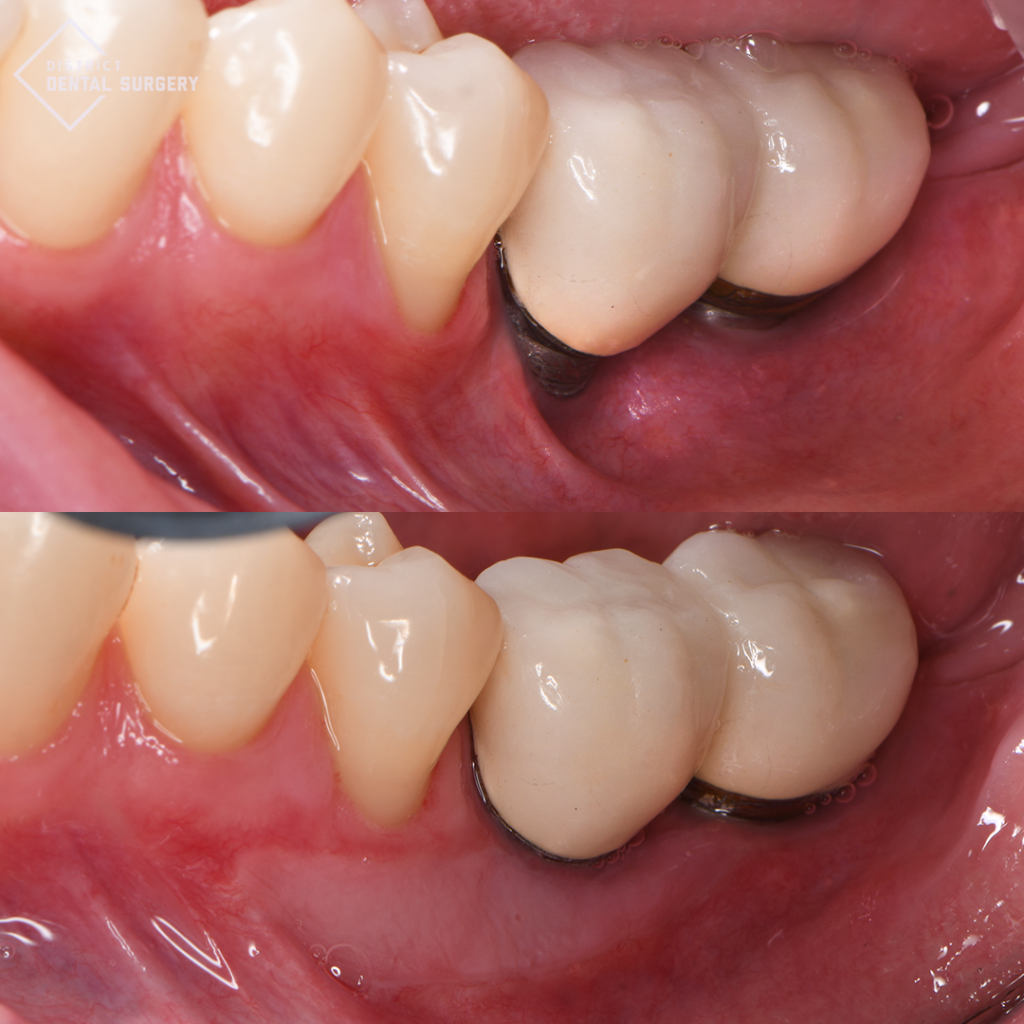
FGG Gum Graft Around a Dental Implant
Healthy gum tissue plays an important role around all teeth, but it becomes even more important when dental implants are involved. Dental implants rely on the surrounding bone and gum tissue for long-term stability. When the gum tissue is thin, delicate, or begins to recede, the implant can become more visible and more vulnerable to irritation, inflammation, and future complications.
In some patients, the gum tissue around an implant gradually pulls away over time. This can allow the gray tone or metal surface of the implant to show through. While this can be a cosmetic concern, it can also signal that the tissue does not have the thickness or strength needed to properly protect the implant.
Gum recession around implants can happen for several reasons, including:
- The position or angle of implant placement
- The thickness and health of the gum tissue at the time the implant was placed
- Natural genetics, especially in patients who are predisposed to thin gum tissue
Why Gum Grafting May Be Recommended Around Implants
A common procedure used in these situations is a free gingival graft, which is designed to increase the thickness of the gum tissue. By adding a wider, more durable band of healthy tissue around the implant, we can create a stronger protective seal.
This procedure can be performed around a single dental implant or around multiple implants that support a full-arch restoration such as an All-on-X fixed denture.
It is important to understand that while gum grafting can significantly improve the quality and thickness of the tissue, it cannot fully cover the implant surface. Dental implants are made of titanium and do not have their own blood supply. Because of this, new gum tissue cannot attach directly to the implant itself.
Instead, the graft is carefully placed in nearby areas that do have a blood supply. This allows the tissue to heal and integrate properly, reinforcing and stabilizing the surrounding gum structure. After healing, patients typically notice a healthier, thicker band of gum tissue and improved support around the implant. Even if a portion of the implant remains visible, the overall tissue quality and long-term prognosis are often greatly improved.
Video Explaining FGG Around a Dental Implant
In this video, Dr. Raha Yousefi walks through a real patient case involving gum grafting around dental implants.
The patient had implants placed as part of a full-arch fixed restoration and later noticed thinning gum tissue and the gray appearance of the implant showing through. Dr. Yousefi explains why this occurs, how a free gingival graft can help reinforce the area, and what patients can realistically expect from the procedure.
This case highlights an important concept in implant dentistry: thick, healthy gum tissue is a key factor in maintaining implant stability, comfort, and appearance over time.
Watch the video below to learn how gum grafting can help protect dental implants and improve long-term outcomes.
Gum Graft Surgery FAQs
Frequently Asked Questions
Not immediately. Only brush and floss the teeth that were not involved in the surgery. Avoid the surgical site for the first week. We’ll provide you with specific home care instructions.
Absolutely! We use advanced techniques to ensure the graft blends seamlessly with your natural gums.
Most patients are surprised by how manageable the procedure is. The area is fully numbed during surgery, and post-operative discomfort is typically mild to moderate. Any soreness is usually well controlled with medication and improves within a few days.
With proper oral hygiene and regular periodontal maintenance, gum grafting provides long-lasting results.
Depending on your needs, the tissue may come from your own mouth (often the palate) or from a donor source. Your periodontist will recommend the option that provides the best long-term result for your specific case.
No. Gum grafting is often even more important around dental implants. Healthy, thick gum tissue helps protect implants from inflammation, recession, and exposure of the metal underneath.
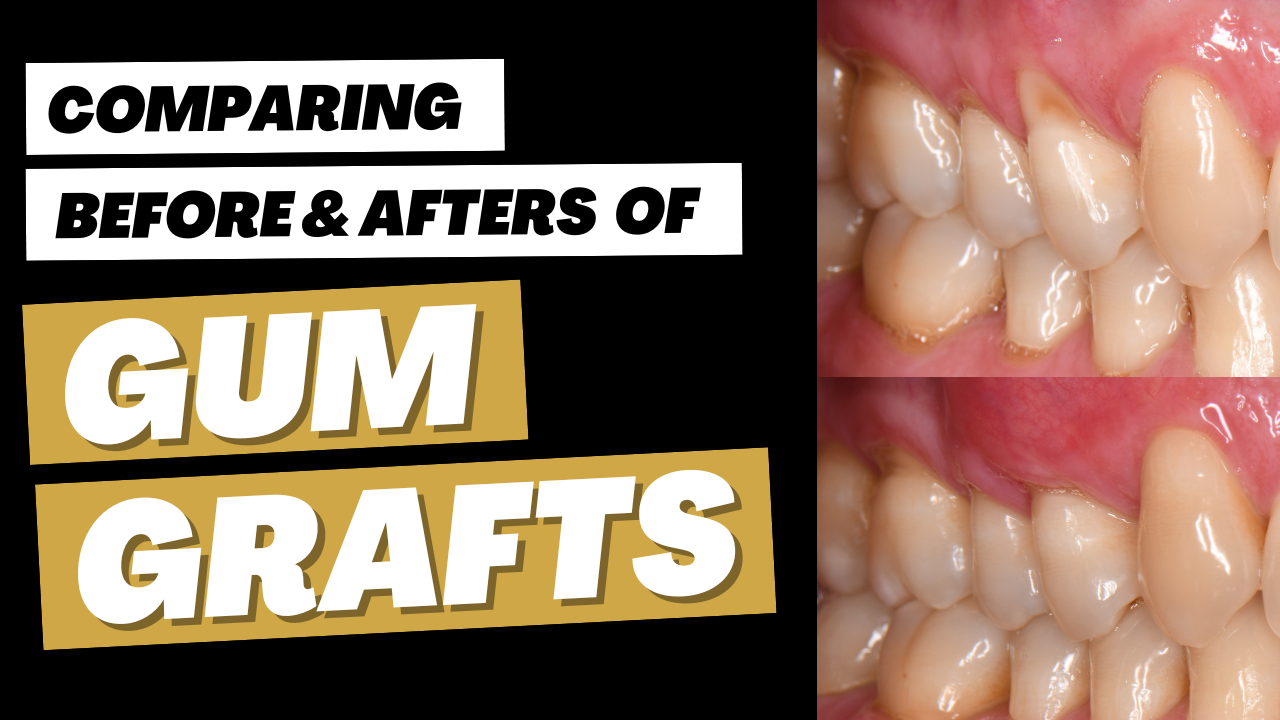
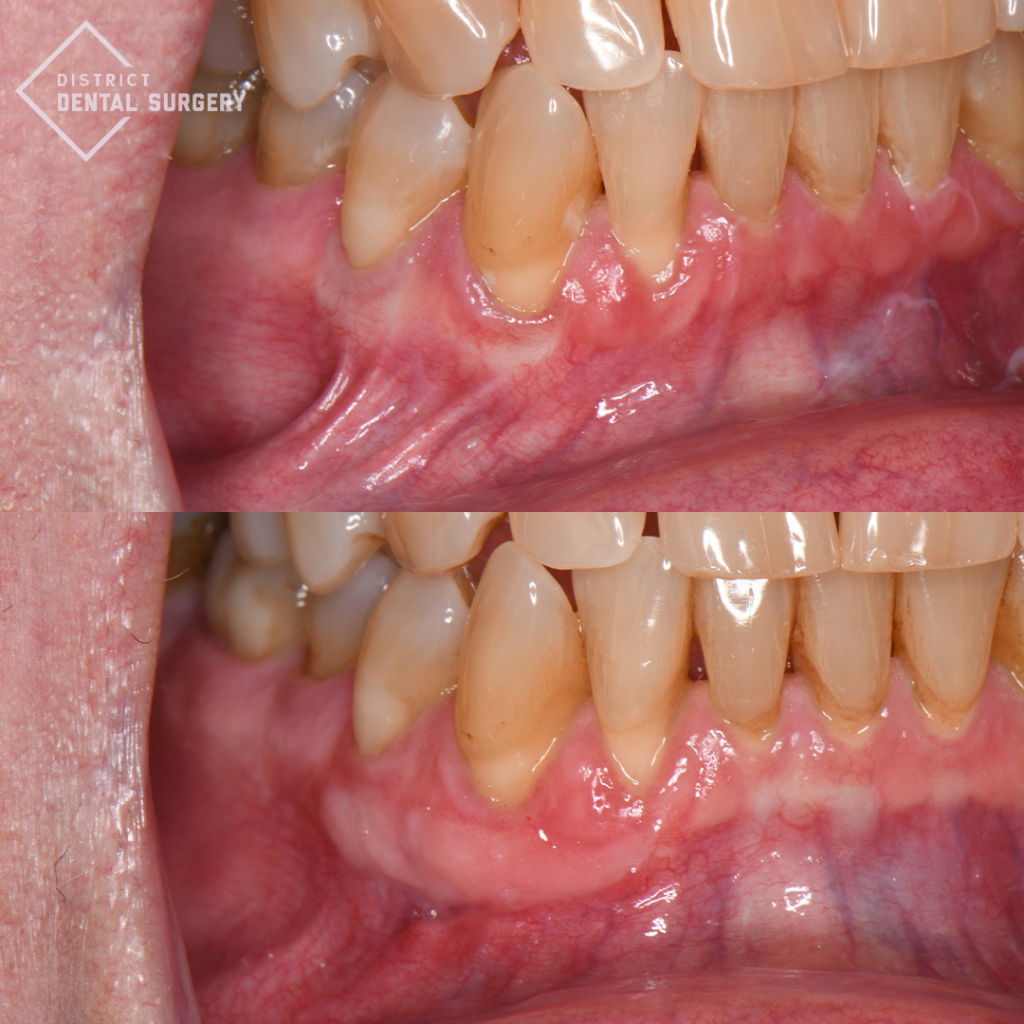
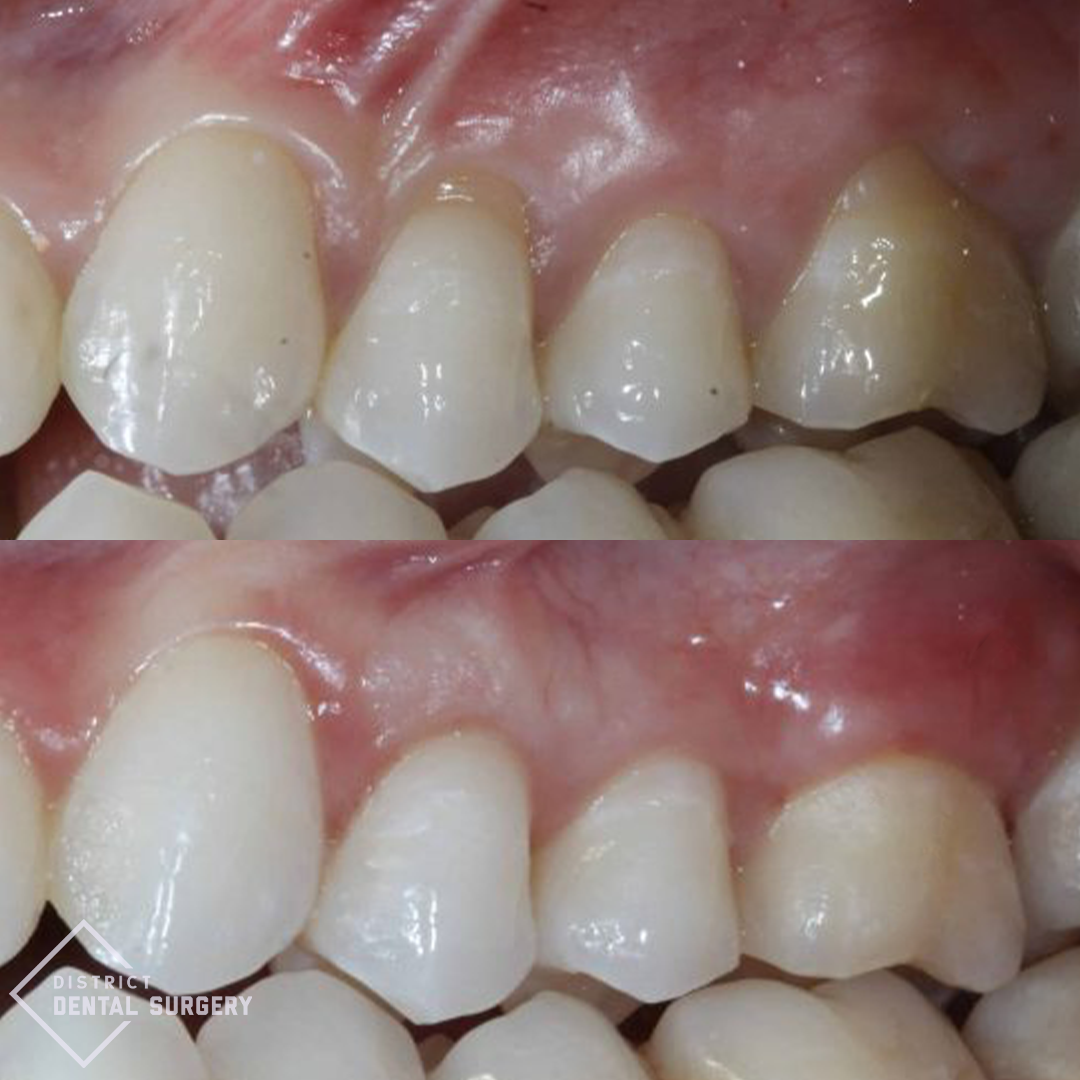
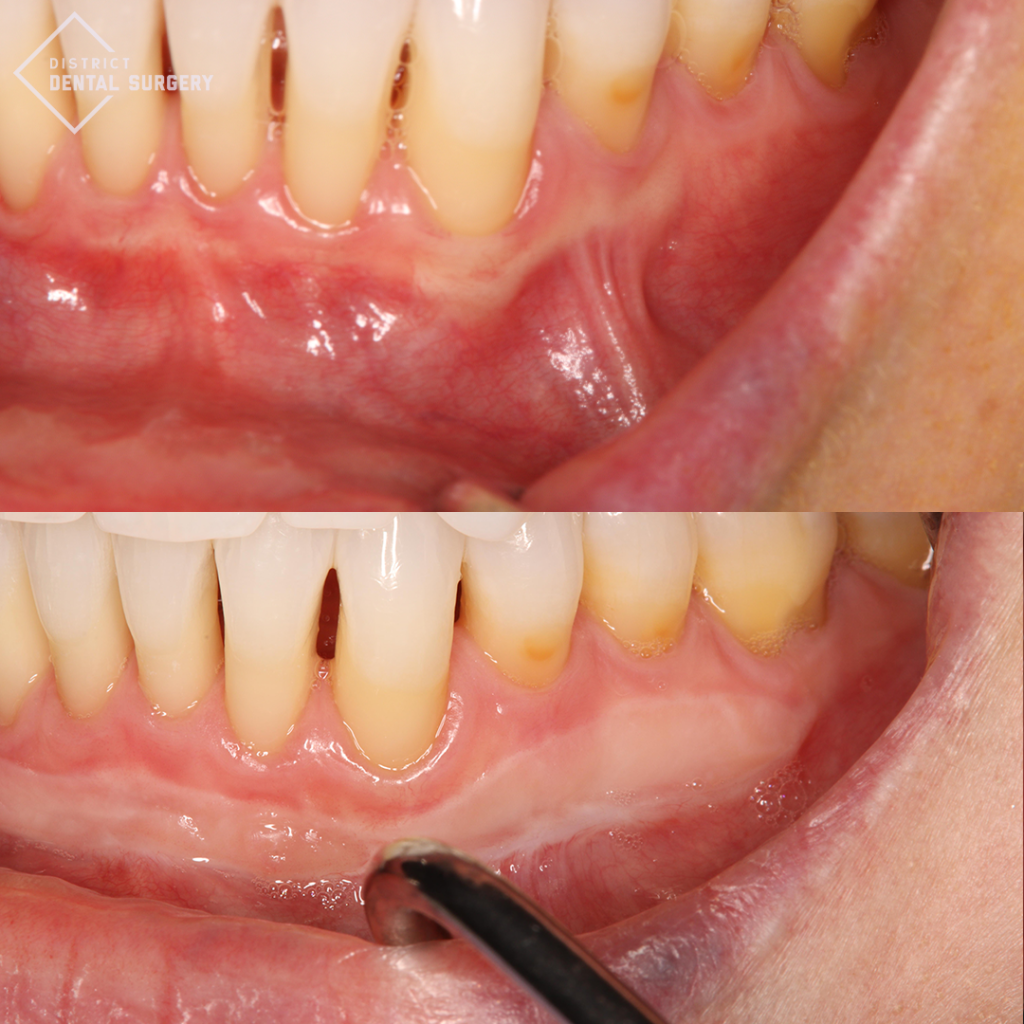
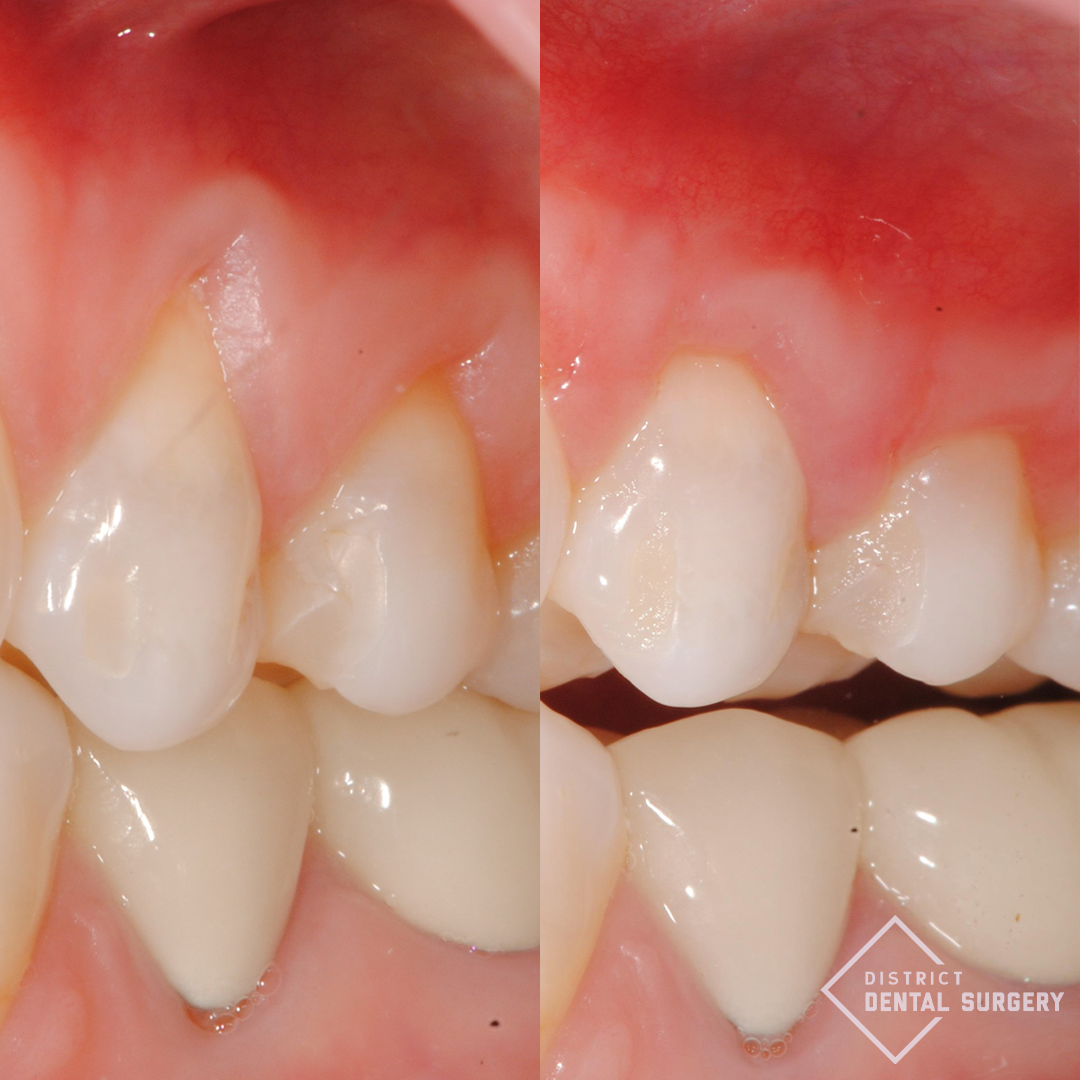
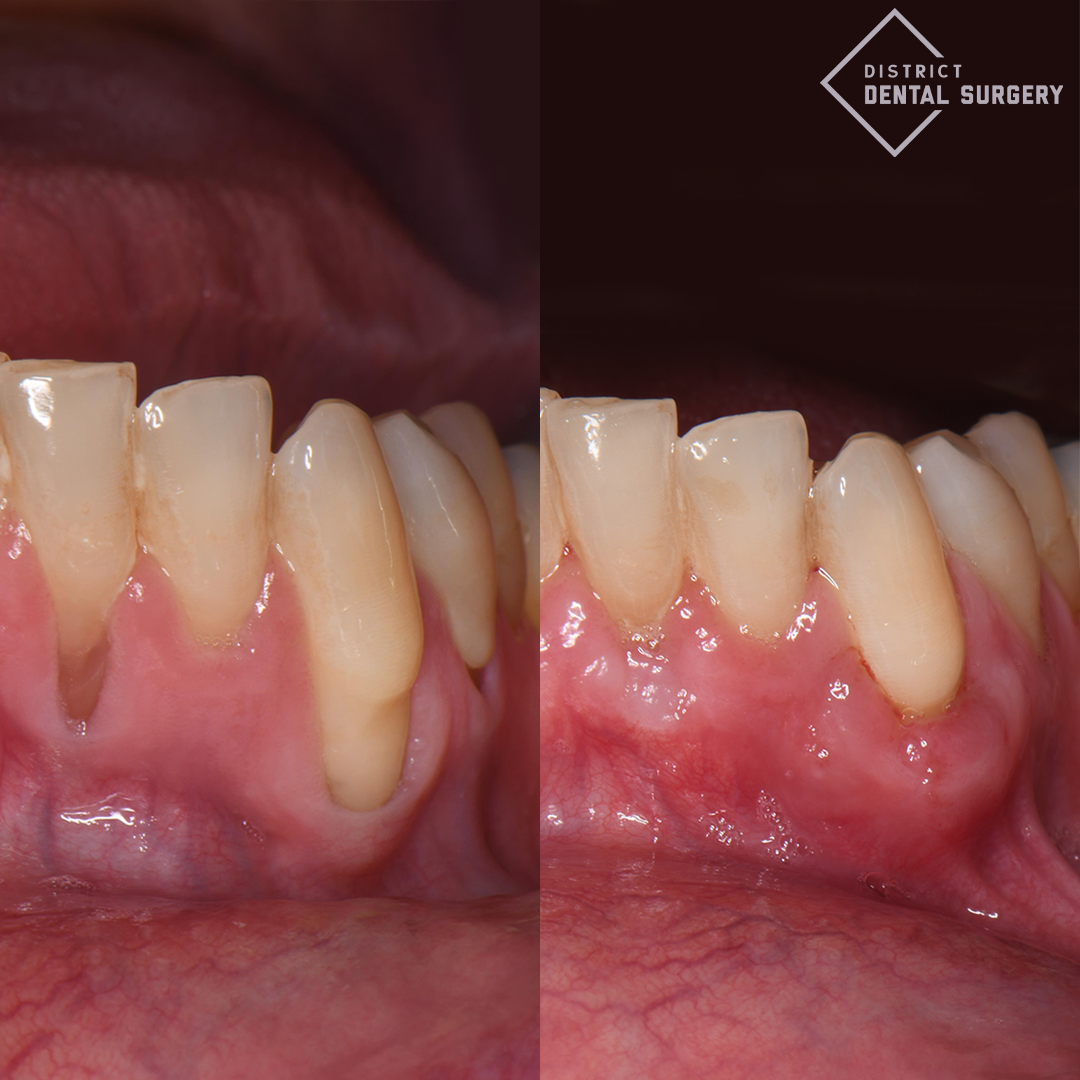
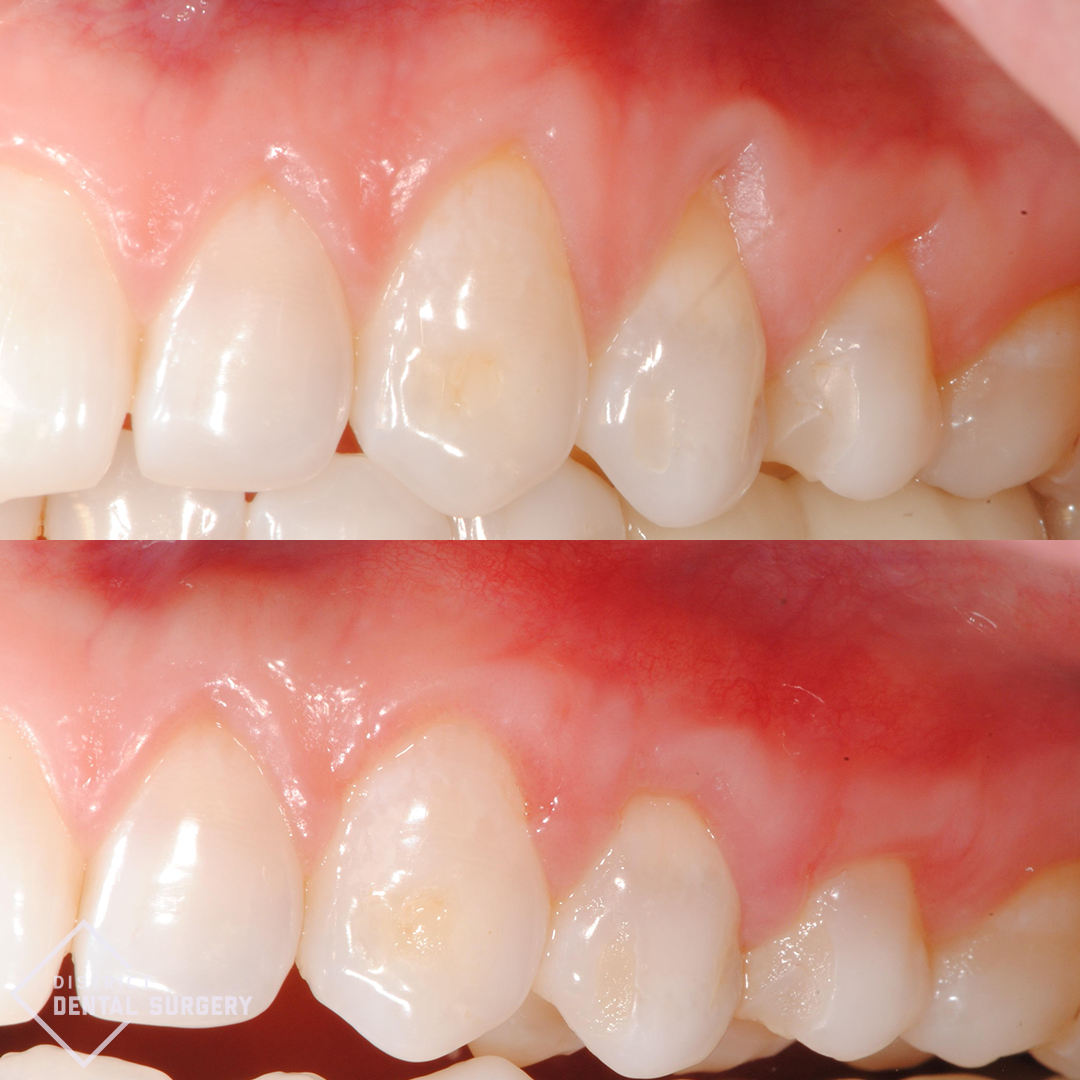
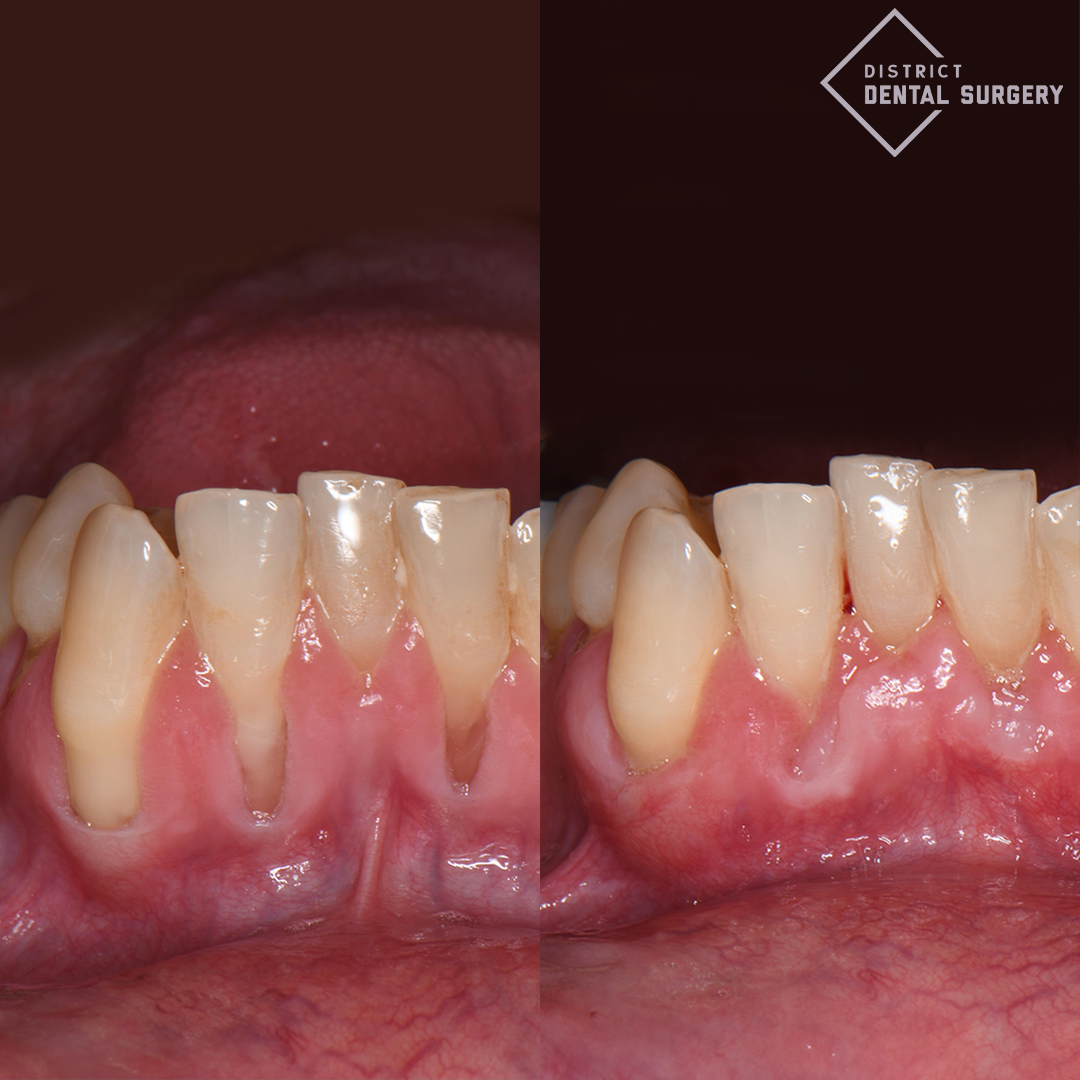
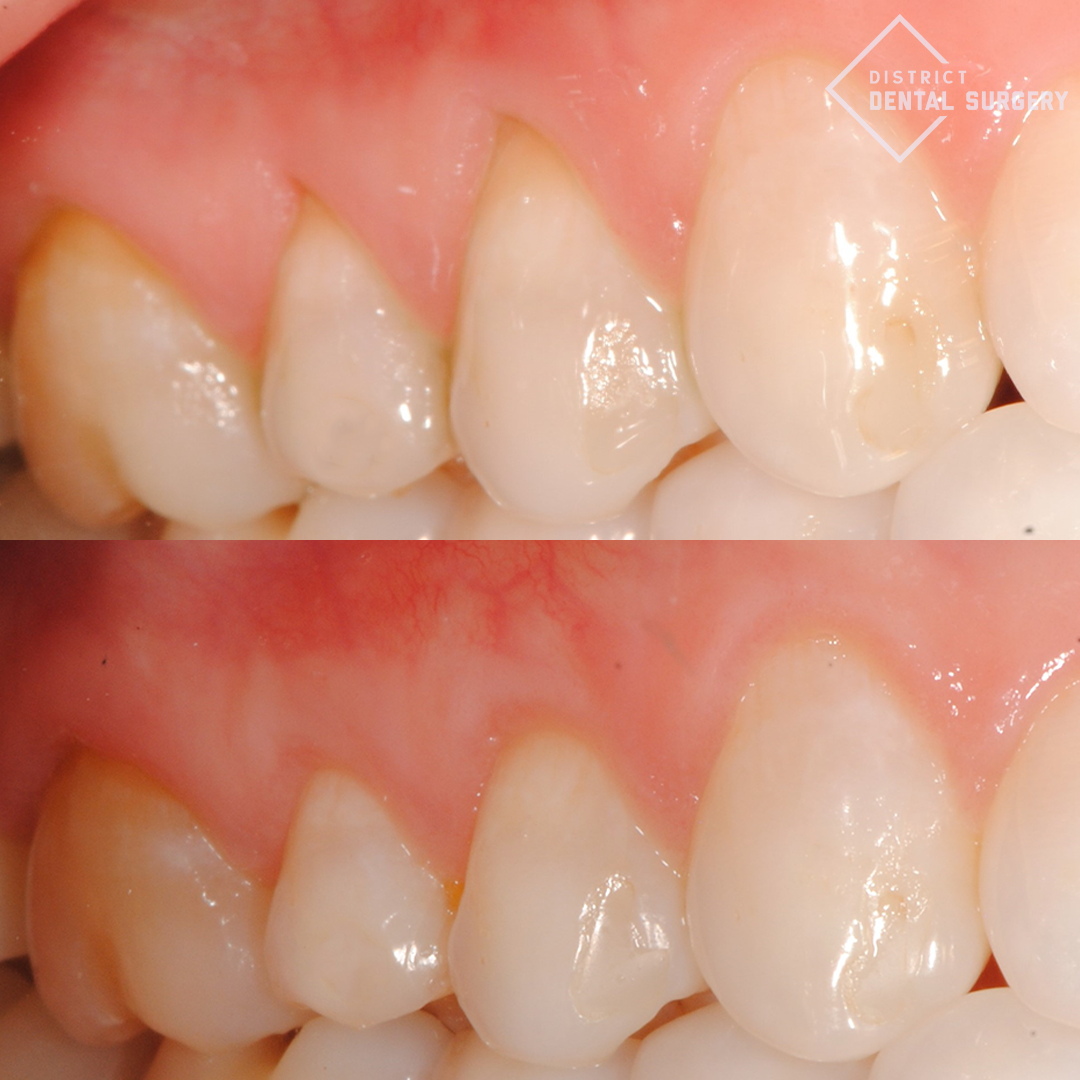
Our Transformative Results
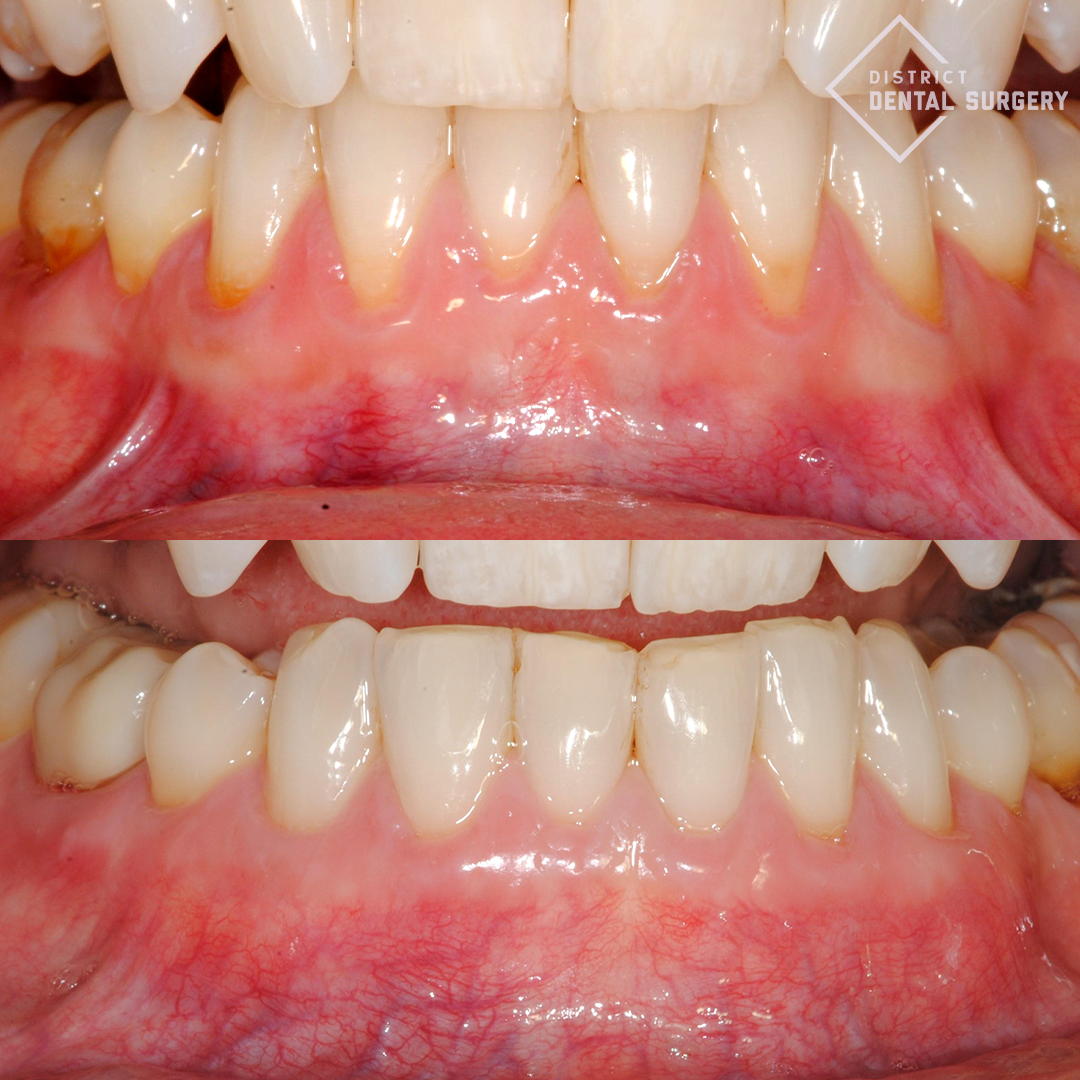
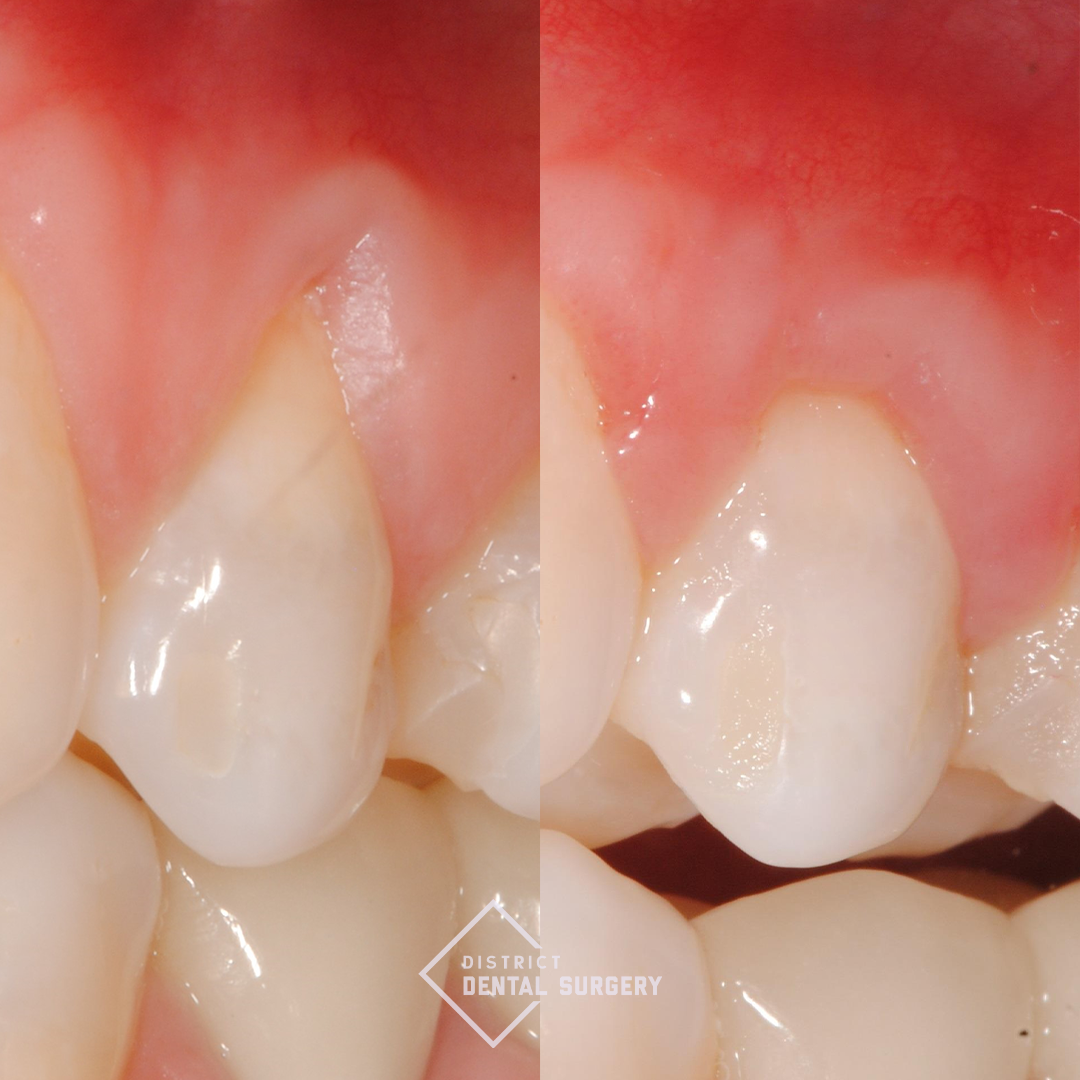
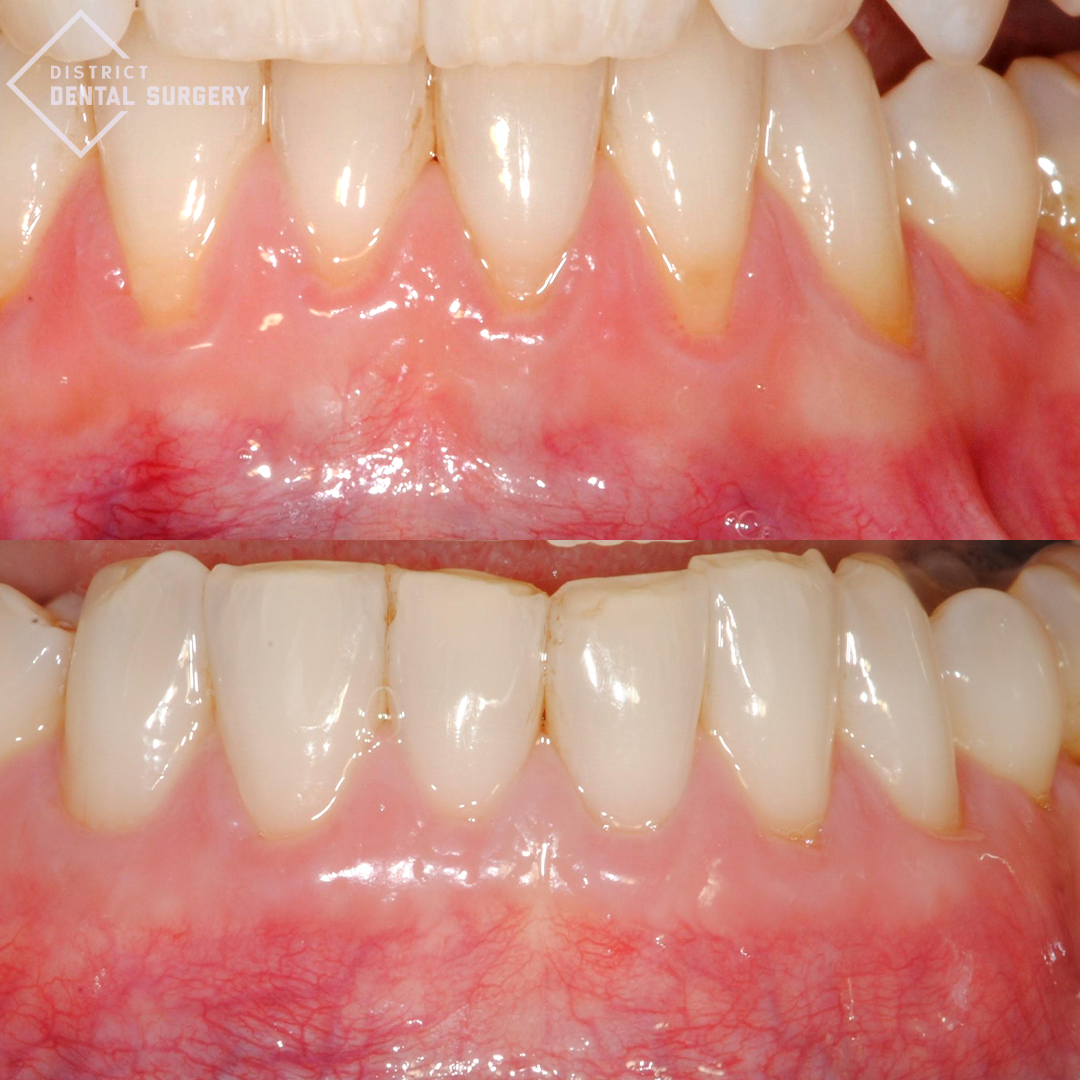
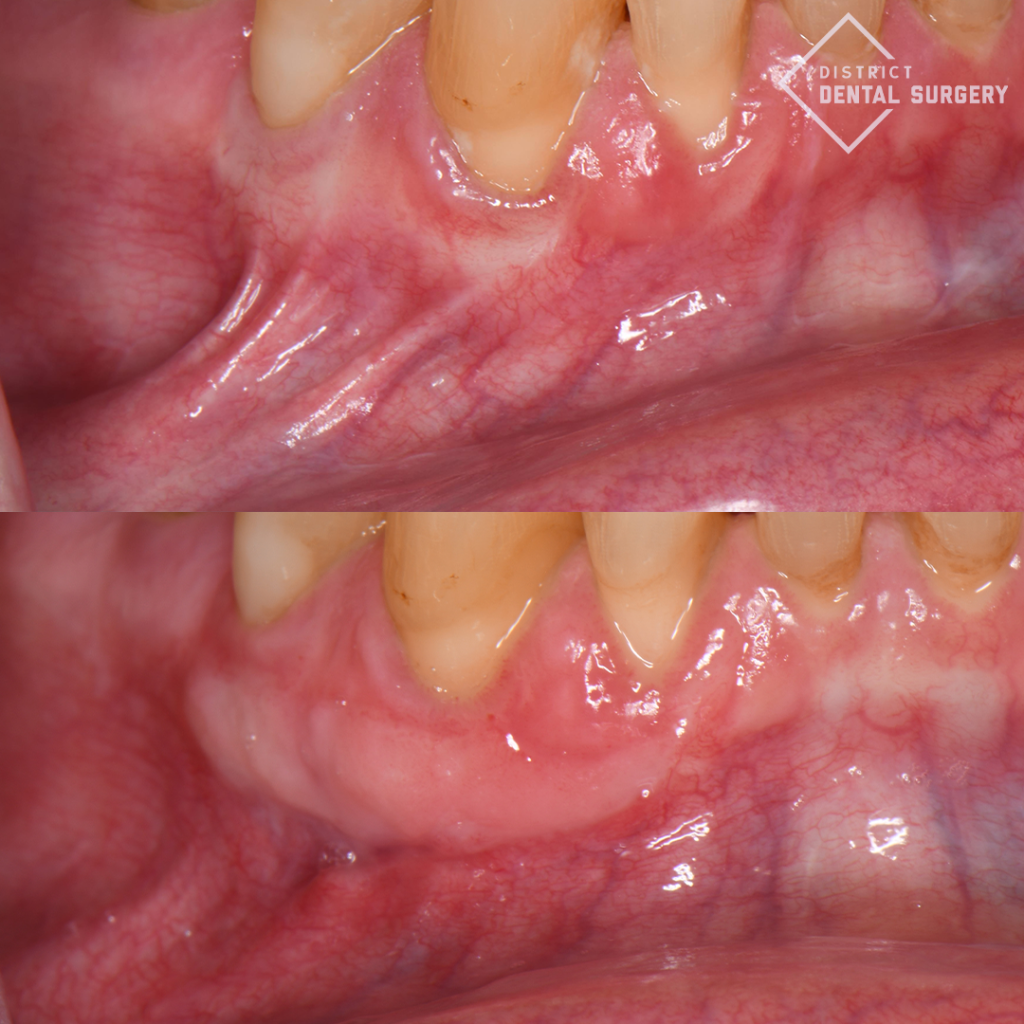
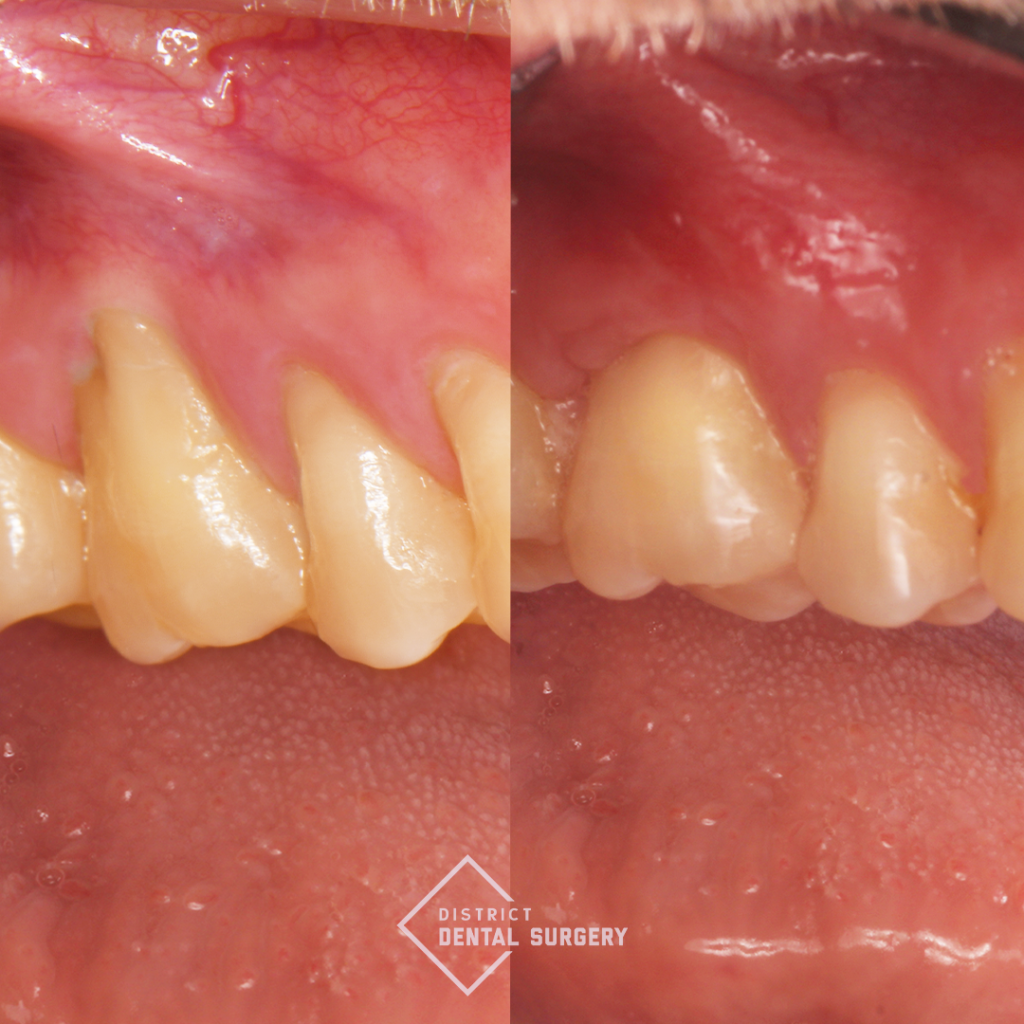
Gum Grafting (CTG)
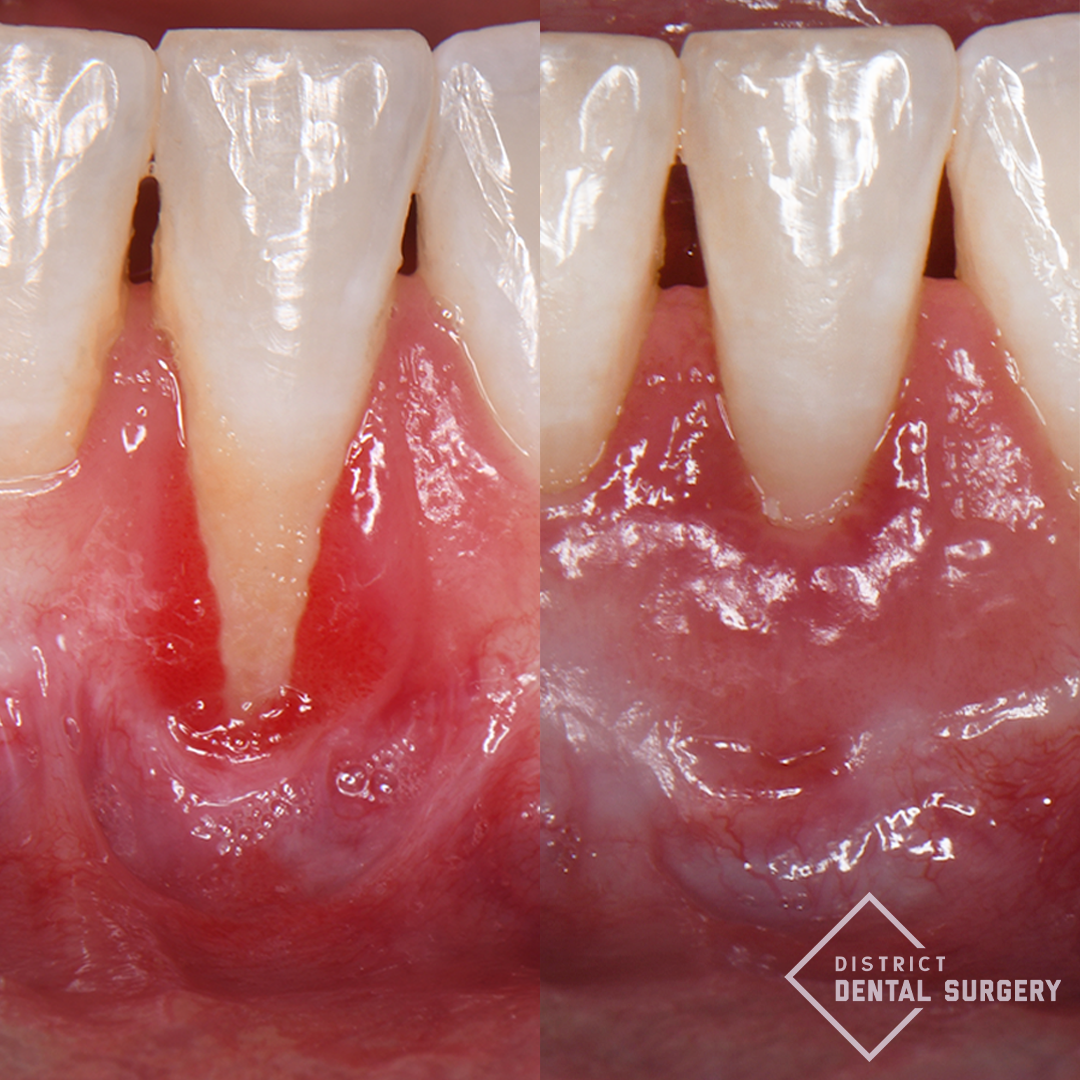
Gum Grafting (FGG)
Gum Grafting (CTG)
Gum Grafting (CTG)
Gum Grafting (CTG)
Gum Grafting (CTG)
Gum Grafting (FGG)
Gum Grafting (CTG)
Gum Grafting (CTG)
Gum Grafting (FGG)
Gum Grafting (CTG)
Gum Grafting (FGG)
Gum Grafting (CTG)
Gum Grafting (CGT)
Gum Grafting (CTG)
Gum Grafting (FGG)
Gum Grafting (FGG)
Gum Grafting (CTG)
Gum Grafting (CTG)
Gum Grafting (CTG)
Gum Grafting (CTG)
Gum Grafting (CTG)
Gum Grafting (CTG)
Gum Grafting (CTG)
Gum Grafting (FGG)
Gum Grafting (CTG)
Gum Grafting (CTG)
Gum Grafting (CTG)
Gum Grafting (FGG)
Gum Grafting Videos:
Our Videos
0:47
2:33
2:25
0:51
0:51
2:21
1:33
2:02
2:21
2:25
2:25
Testimonials
What Patients Are Saying
Dr. Yousefi was fantastic. She was calm, funny, and capable. She immediately put me at ease (I was pretty anxious). I have never been numbed up so quickly and near painlessly – and the rest of the procedure was then painless, too. She and her team gave clear directions as to what to do for the next 24 hours and beyond, what to eat, how to care for the flipper temporary tooth, and answered all my questions. The staff called me the next business day to follow up and answered more questions that I had come up with by then. Highly recommend.
Phyllis R.
Dr Lucy Johnson was the best! I really am grateful for her help with my dental issue, and so impressed how fast she got me in and that she was so understanding of my dental anxiety! She made sure my anxiety was controlled before my appointment and was extra careful to ensure no pain during the procedure at all. Highly highly recommend!
Halima B.
Dr. Mahboub and her team did a wonderful job for my special issues with two implants that have to be removed. They did their best to keep me comfortable during the long procedure.
Maurice S.
My family and I have been patients for maybe 10-15 years! After trying a bunch of different dentists, we found Dr. Yousefi and have been happy with her team and their services ever since. She has helped us with minor issues as well as major long-term care, including a broken tooth and a few implants. The service has always been amazing, and we are very happy with the quality and expertise here. The new, amazing facilities with super convenient parking are just the cherry on top!
Dmitry K.
I was referred to District Dental for surgery, and it turns out that they are one of the best dental offices I have ever been to. The office is very modern and clean, and the employees are friendly and knowledgeable. I had no pain after my surgery, and my recovery was excellent.
Greg C.
I had a front tooth extraction with a bone grafting procedure done by Dr. Lucy Johnson, and the experience was excellent from start to finish. She explained everything clearly, made me feel completely at ease, and everything went so well during the surgery.
The recovery has gone better than expected. I was thinking that my temporary would look rugged, but it looks better than my natural tooth! The procedure was painless and recovery has been a breeze- very minimal discomfort. Her team was professional, kind, and responsive throughout. I truly appreciate the level of expertise and compassion Dr. Johnson brings to her work. Highly recommend her to anyone!
Sandra G.
I had gum recession on my molars from brushing too hard. I saw Dr Lucy Johnson and she was amazing. She was kind, patient, and thoroughly explained everything they were doing, including my treatment plan, and answered any questions I had. I couldn’t be happier with my outcome! I would highly recommend.
Dylan P.
Dr. Mahbub is fabulous. She did my periodontal cleaning and carefully explained what she was doing and why. She was very patient, constantly asking if I was ok during the procedure. She provided advice to reduce plaque buildup, and showed me techniques to prevent future plaque. Her professionalism, empathy, and skills are superb.
Ann A.
Two weeks post-surgery and I couldn’t recommend this office more. Both doctors are wonderful and clearly very experienced with a patient-first mindset. The office followed up frequently after my surgery to ensure I was recovering well and to answer any questions. After two weeks, I have no pain from the surgery and the gums have already healed up. If you are in need of any dental surgery work, I would 100% recommend this office!
Michael A.
Sara is an excellent dental hygienist and really cares about her patients. She is very good at providing a regimen to help my gums. Dr. Eskow did my gum revision surgery years ago and he’s the best. I recently needed some more work done around the come on 12 and Dr. Eskow handled it beautifully, and his assistant Emily was great.. And the staff at the front desk always makes it a pleasant visit.
Mimi B.
Sholto S.
I’ve been a patient of Dr. Raha Yousefi for over two years, and she is truly one of the best. From day one, her professionalism and genuine care for her patients were evident. Dr. Yousefi’s expertise in dentistry is outstanding, and she takes the time to explain every step of the treatment, ensuring I feel comfortable and informed. Her warm and compassionate personality makes every visit a pleasant experience, and it’s clear she deeply values her patients. The staff at her practice is equally amazing—always friendly, professional, and welcoming. I highly recommend Dr. Yousefi to anyone seeking a dentist who combines professional excellence with heartfelt care.