SFOT Post-Op Instructions: What to Expect & Recovery Tips
If you’ve recently undergone Surgically Facilitated Orthodontic Therapy (SFOT), proper post-operative care is essential for comfortable healing and successful orthodontic results.
At District Dental Surgery, a periodontal and dental implant practice serving Washington, DC, and Bethesda, MD, we work closely with orthodontists or general dentists to help patients heal predictably and move through treatment efficiently. This guide explains what to expect after SFOT surgery and how to care for your mouth during recovery.
What is SFOT and Why Post-Op Care Matters?
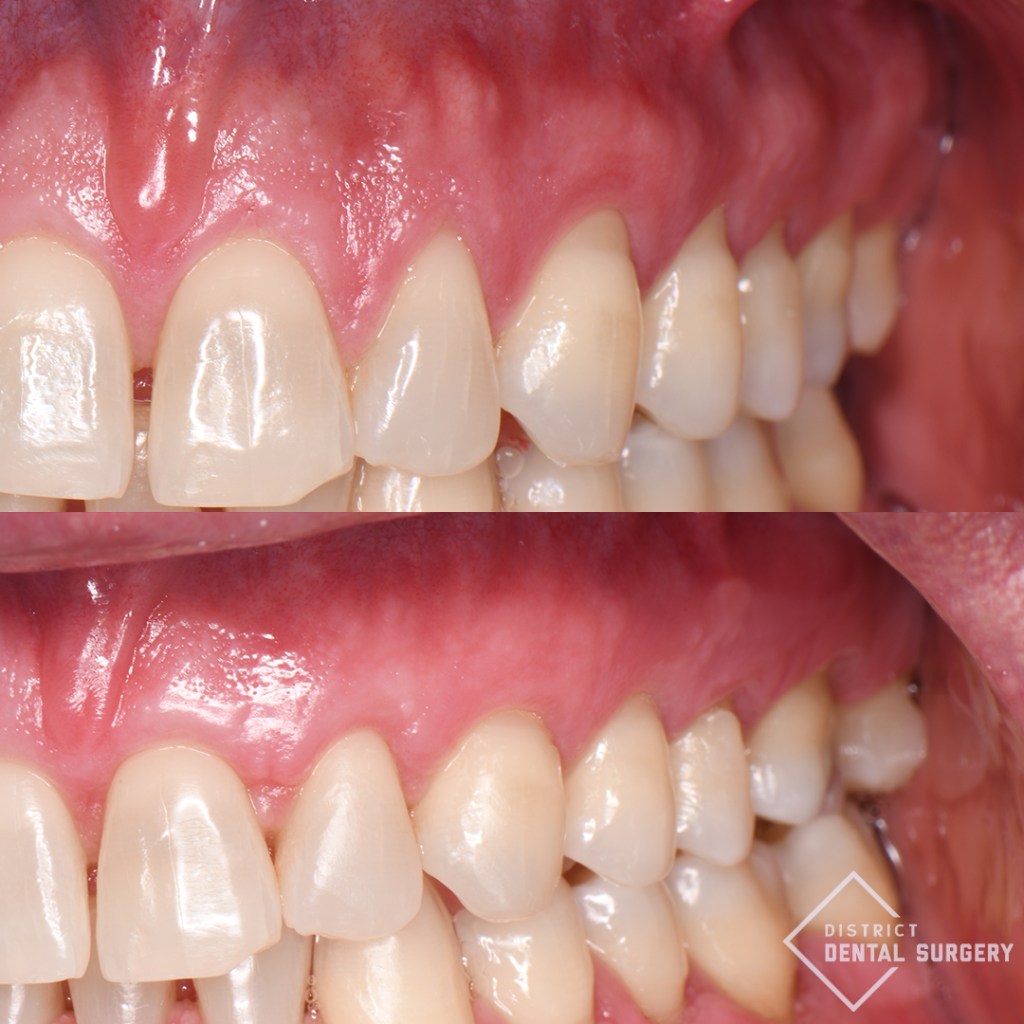
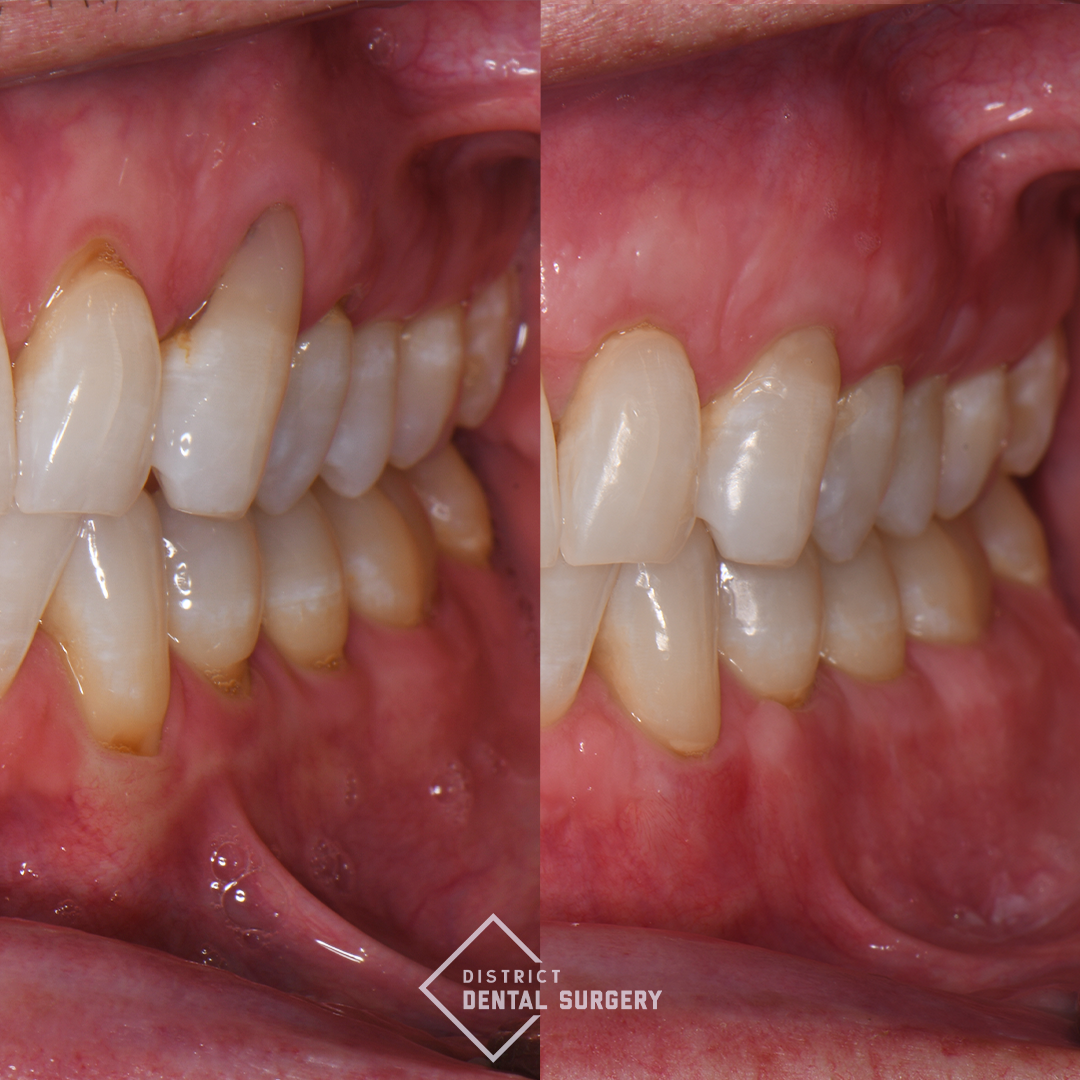
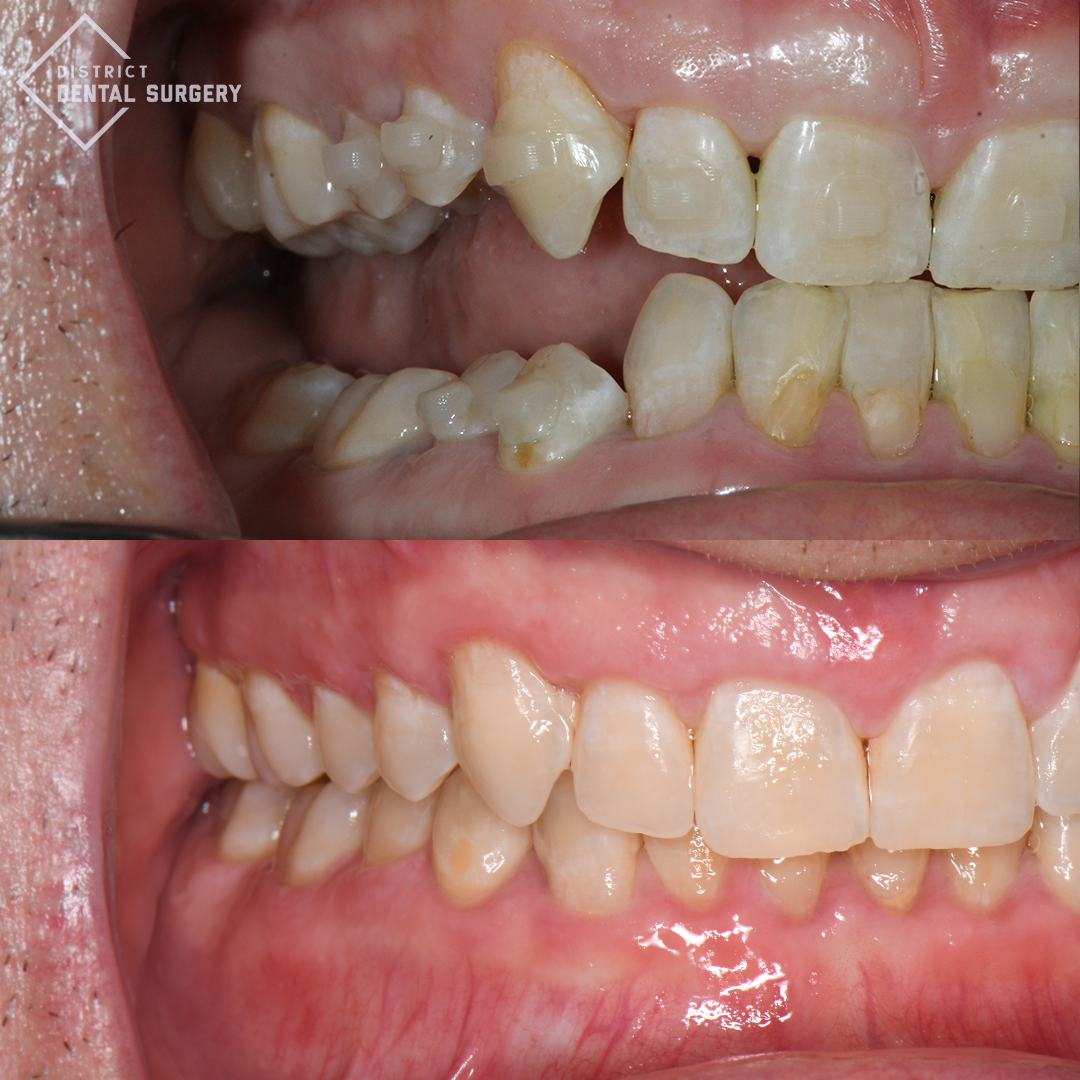
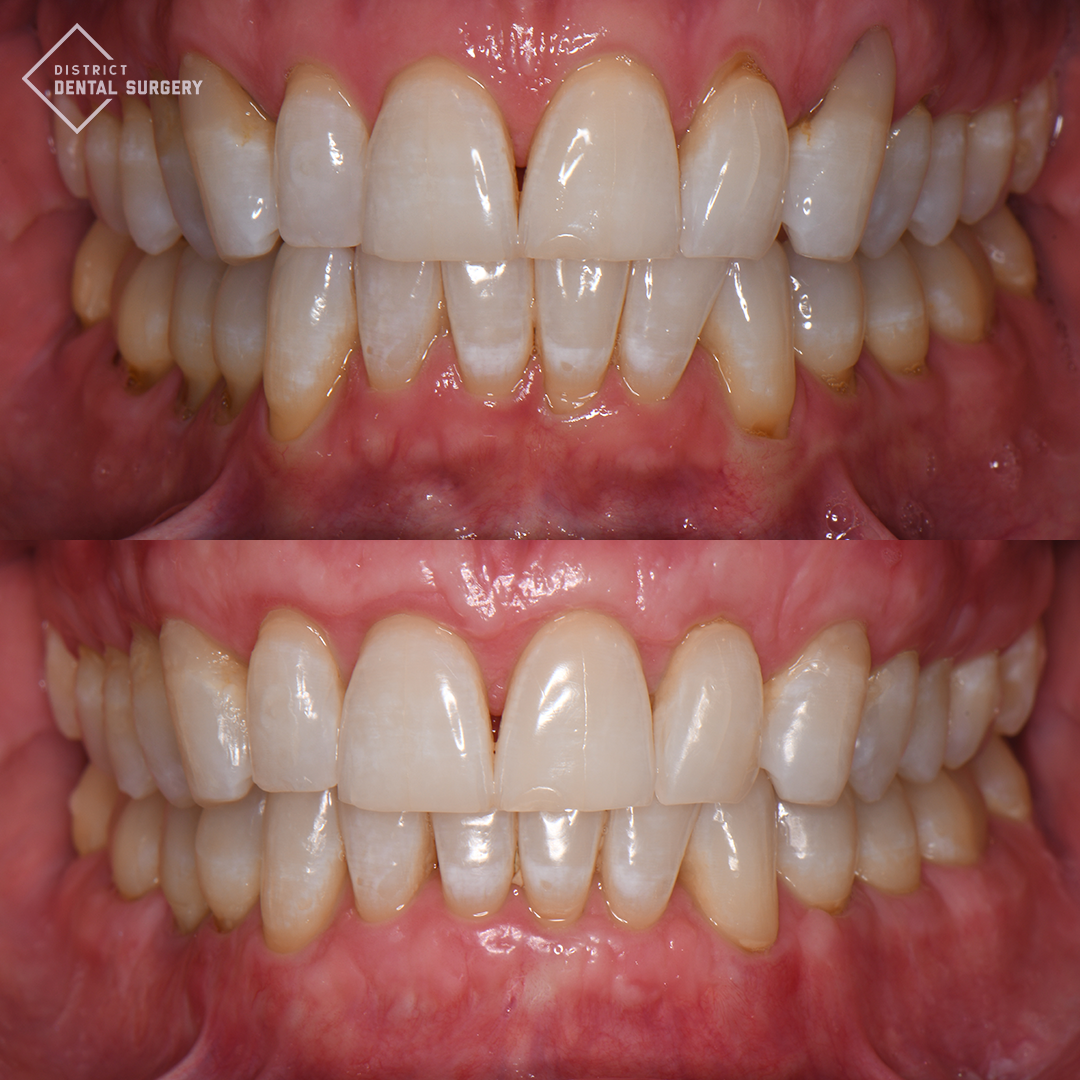
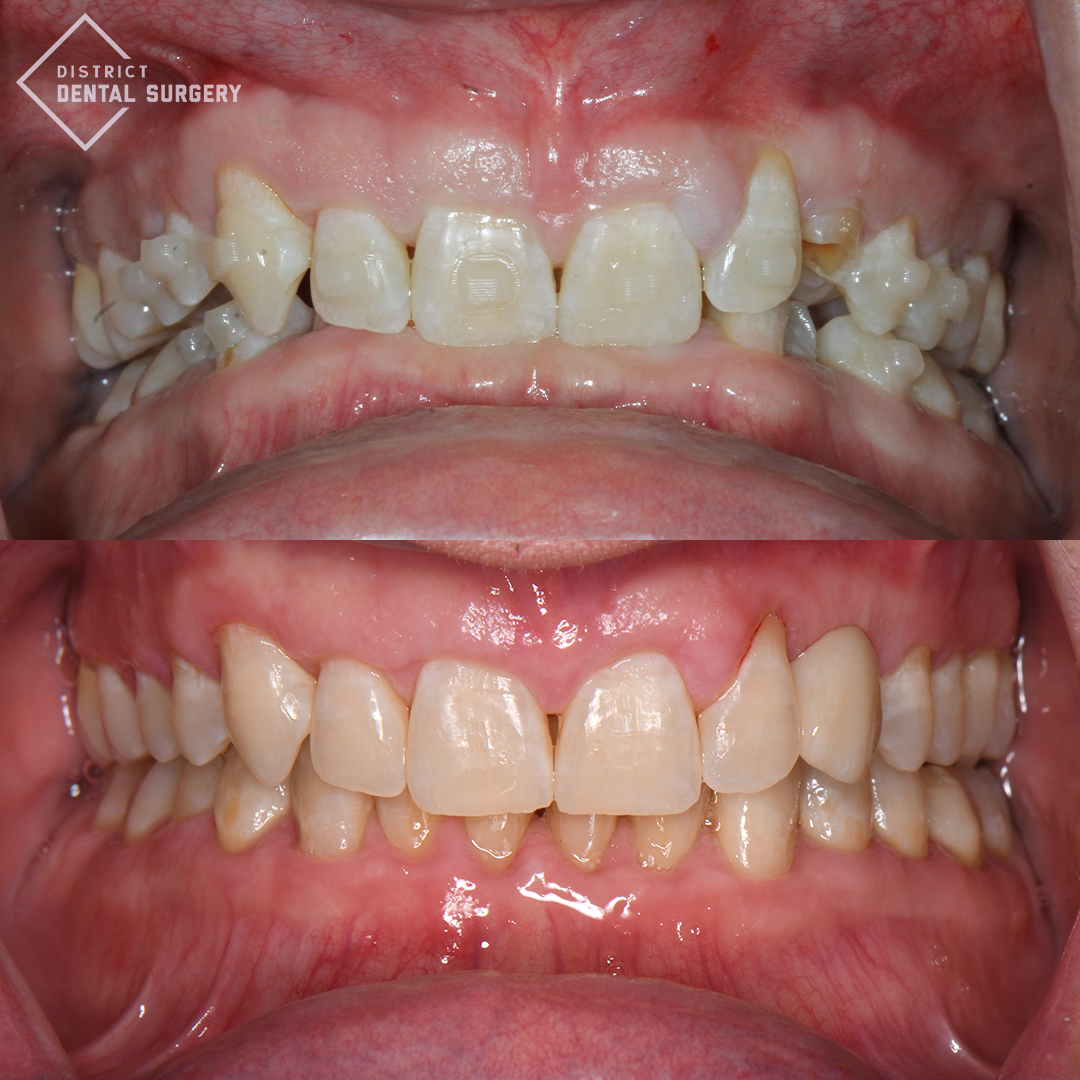
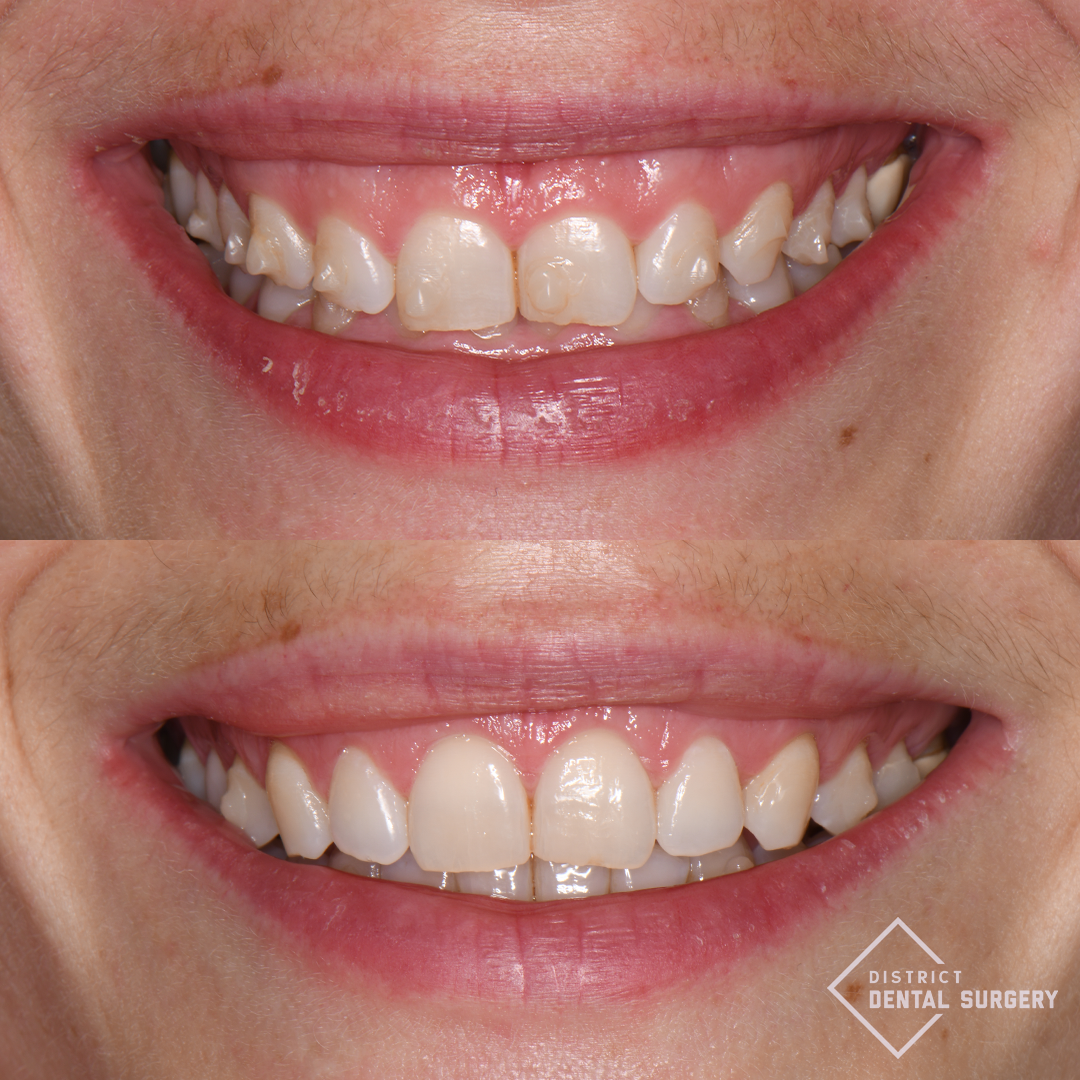
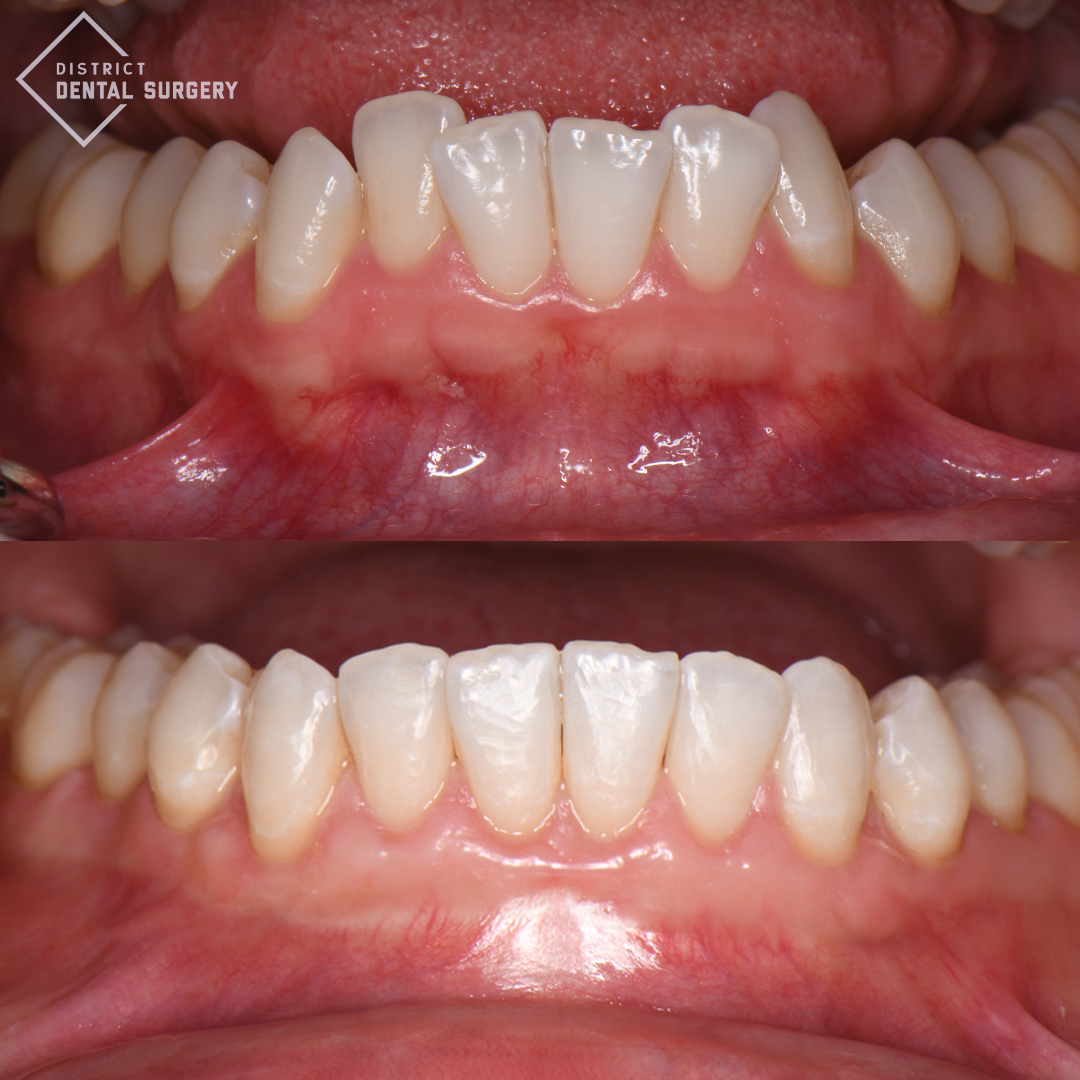
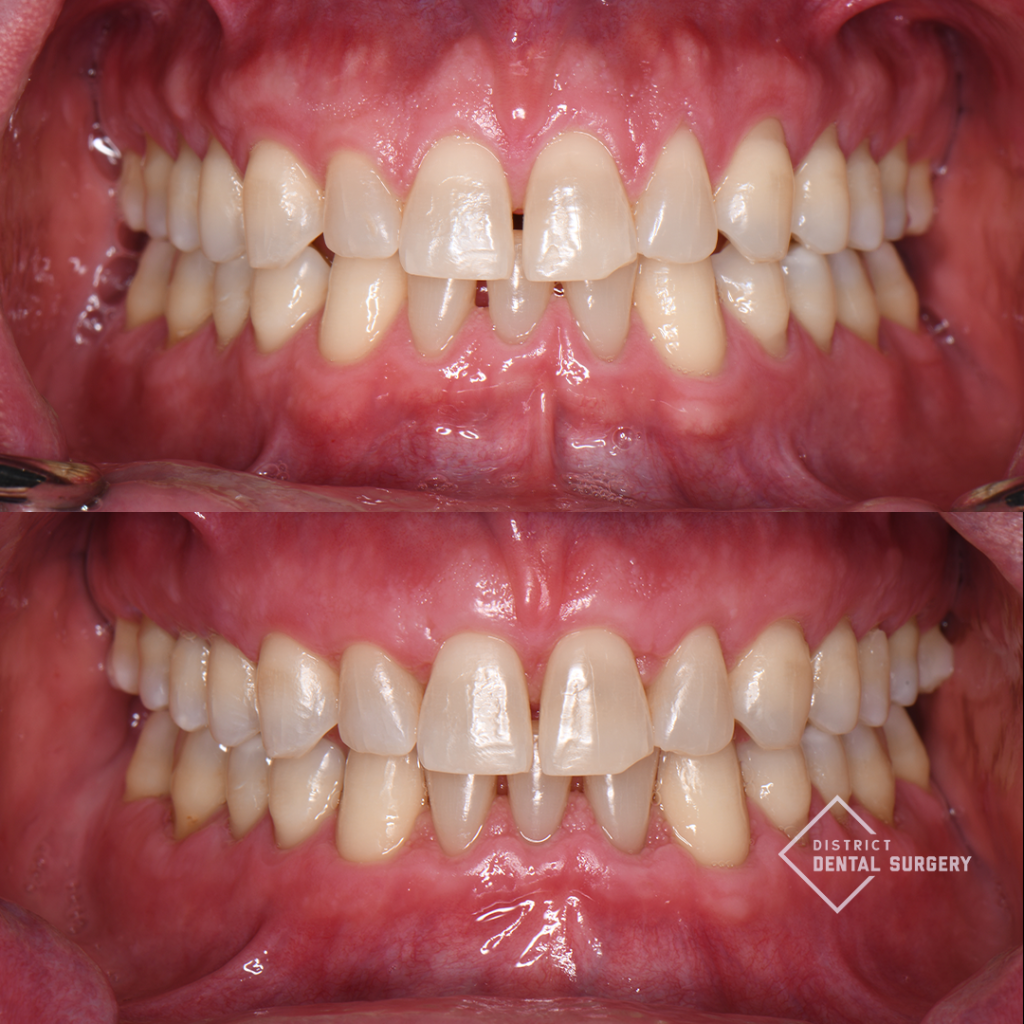
SFOT is a periodontal surgical procedure designed to accelerate orthodontic tooth movement while improving bone support and gum thickness. The treatment creates a temporary healing response in the bone that allows teeth to move more efficiently during orthodontic treatment. Following post-operative instructions helps:
- Reduce swelling and discomfort
- Protect grafting material and sutures
- Prevent infection or complications
- Support faster orthodontic progress
SFOT POST-OP INSTRUCTIONS:
1. Discomfort and Medications After SFOT
Some discomfort is normal after surgery and varies based on the procedure and individual response. Most patients describe the sensation as soreness, pressure, or tenderness rather than sharp pain.
How to manage discomfort:
- Take your first dose of pain medication before numbness fully wears off
- Follow our instructions for prescribed medications.
- If antibiotics are prescribed, complete the full course
Call us if swelling or discomfort increases after day 6, as this may indicate infection.
How long will I need pain medication?
Most patients need prescription-strength pain control for 2–4 days, then transition to over-the-counter medication.
Is it normal to feel pressure or tightness?
Yes. SFOT creates temporary inflammation in the bone to allow faster tooth movement, which can cause pressure sensations.
Can I take my regular medications?
Yes, unless we specifically told you to stop something.
2. Bleeding After SFOT Surgery
Minor oozing and/or bleeding is normal for 5-7 days after surgery. If at any time you notice the formation of large blood clots or an obvious flow of blood that is more than a slight ooze, notify your doctor or the office.
Is blood in my saliva normal?
Yes, light pink saliva or spotting is expected during early healing.
3. Sutures
Sutures help hold the gums in their ideal position for healing and bone remodeling.
What to expect:
- Sutures typically remain in place for 2–4 weeks
- Do not disturb the sutures with your tongue, toothbrush, or in any other manner since displacement will impair healing.
- Your doctor will remove your sutures in 2-4 weeks once sufficient healing has occurred.
- If a suture loosens early, contact the office for guidance
4. Oral Hygiene & Invisalign Trays
- Please leave Invisalign trays in place for the first 24 hours, even when eating.
- After the first day, once you feel comfortable removing your trays, begin brushing gently using the soft surgical toothbrush provided. Brush all teeth carefully, avoiding aggressive pressure near the surgical areas.
- Avoid aggressive brushing near surgical areas for about 2 weeks.
- Please continue using the StellaLife kit, with the instructions on the box. All 3 products should be used 3 times per day (especially after meals) until they are gone.
What toothpaste should I use?
Use a gentle, non-whitening toothpaste during the first few weeks after surgery. Whitening or “tartar-control” toothpastes can sometimes be too abrasive and may irritate healing tissue.
What if brushing makes the area bleed?
A small amount of bleeding is normal at first. Continue brushing gently to keep the area clean. Avoid skipping brushing, as plaque buildup can delay healing.
Can I use an electric toothbrush?
Avoid using an electric toothbrush directly over the surgical sites for about 2 weeks or until we confirm healing is progressing well.
5. Diet
- Eat a soft diet for comfort and to protect the surgical area. Click to download a full list of recommended foods.
- On the day of surgery, avoid hot food and drinks. We suggest choosing cool, soft foods such as smoothies or ice cream during this time, as they can feel soothing and help keep inflammation down.
- Throughout the day, fill a cup with ice and water, take sips of the cold water and hold it in your mouth, then gently spit or swallow the water. This helps reduce swelling from within.
- Avoid hard, sticky, crunchy, spicy, or “sharp” foods (such as chips, nuts, toasted bread, gummy candies, fibrous meats, raw vegetables), and any foods with small particles (sesame or poppy seeds). These can dislodge the periodontal dressing or sutures.
- Drink plenty of liquids, but don’t use a straw! Use a spoon if drinking a smoothie or milkshake.
- It is important to maintain a diet with a normal calorie level that is high in protein, minerals, and vitamins to support post-operative healing. Post-surgically is not the time to start a diet. This can have detrimental effects on healing and lessen the chances of success of the surgical therapy.
6. Swelling
- After the procedure, you may experience swelling, tenderness, and bruising. You should plan to rest at home for up to a week.
- If swelling occurs, it usually increases up to 2-3 days after surgery and will decrease thereafter.
- If you notice any unusual or large swelling after day 7, please contact our office.
- An ice pack may be used to minimize swelling. Place the ice pack in contact with the skin, 20 minutes on, 5 minutes off, for the first 24 hours after surgery.
- Keep your head elevated above the level of your heart during the first 24 hours after surgery. This may necessitate the use of several pillows to support your head and upper body while sleeping (please feel free to place a towel over the pillows to protect them from any blood oozing).
7. Time Off
- You should plan to take one week off from work, particularly if your job is client-facing or requires in-person meetings. Swelling and bruising are typically most noticeable during the first several days after surgery.
- If your job is primarily desk or computer-based and you are comfortable working while still visibly swollen or bruised, many patients feel able to return to light, functional work around days 3–4 after surgery.
- By the end of day 7, swelling and bruising are typically much improved, and most patients feel comfortable returning to their normal work schedule.
- It is best not to schedule important presentations, major meetings, or public-facing events for about 2 weeks following surgery, as mild residual swelling or bruising can still be present.
- Everyone heals at a slightly different pace. Listen to your body and allow yourself adequate time to rest, as proper recovery supports the best surgical and orthodontic outcomes.
What if my job requires a lot of talking or meetings?
Extended talking can increase dryness and discomfort in the early days. If possible, try to limit long conversations or meetings for the first week.
8. Physical Activity
No physical activity for the first 2 weeks. You should avoid:
- Strenuous exercise or heavy lifting
- High-intensity workouts
- Bending over frequently
- Activities that significantly raise your heart rate or blood pressure
These types of activities can increase bleeding, swelling, and discomfort at the extraction site.
Is it okay to run errands or go out socially during recovery?
Yes, as long as you feel comfortable. Keep activities light and avoid overexertion. A good rule of thumb is to listen to your body. If throbbing, bleeding, or increased swelling occurs when you become more active, it’s best to slow down and allow more time for healing.
9. Smoking and Alcohol
Smoking or vaping should be stopped until sutures are removed because nicotine reduces blood flow and negatively affects healing outcomes. Alcohol should be avoided until two days after finishing all post-operative medications.
10. Important Things to Avoid During SFOT Recovery
- Do not use straws
- Do not create suction in the mouth (for example, sucking on candies)
- Do not pull your lip to look at the surgical site or touch the site with fingers or tongue
- Do not spit forcefully
- Do not rinse aggressively
- Do not eat any hard, crunchy, sticky, or spicy foods
- Do not smoke or vape
SFOT Care in Washington, DC and Bethesda, MD
At District Dental Surgery, our periodontists specialize in advanced procedures like SFOT to help patients achieve healthier gums, stronger bone support, and more efficient orthodontic outcomes.
If you are preparing for SFOT or have questions about recovery, our teams in Washington, DC and Bethesda are here to help guide you every step of the way.
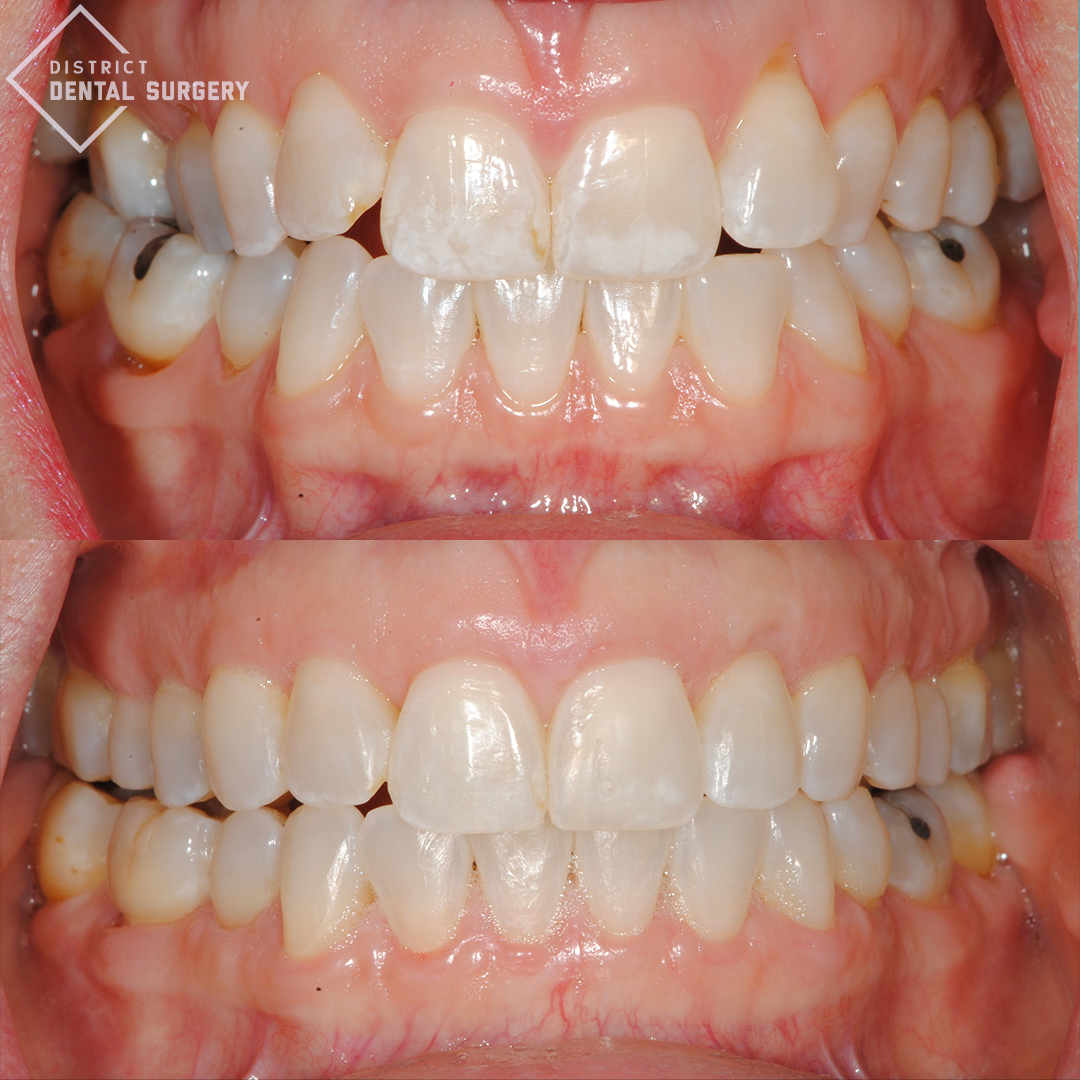
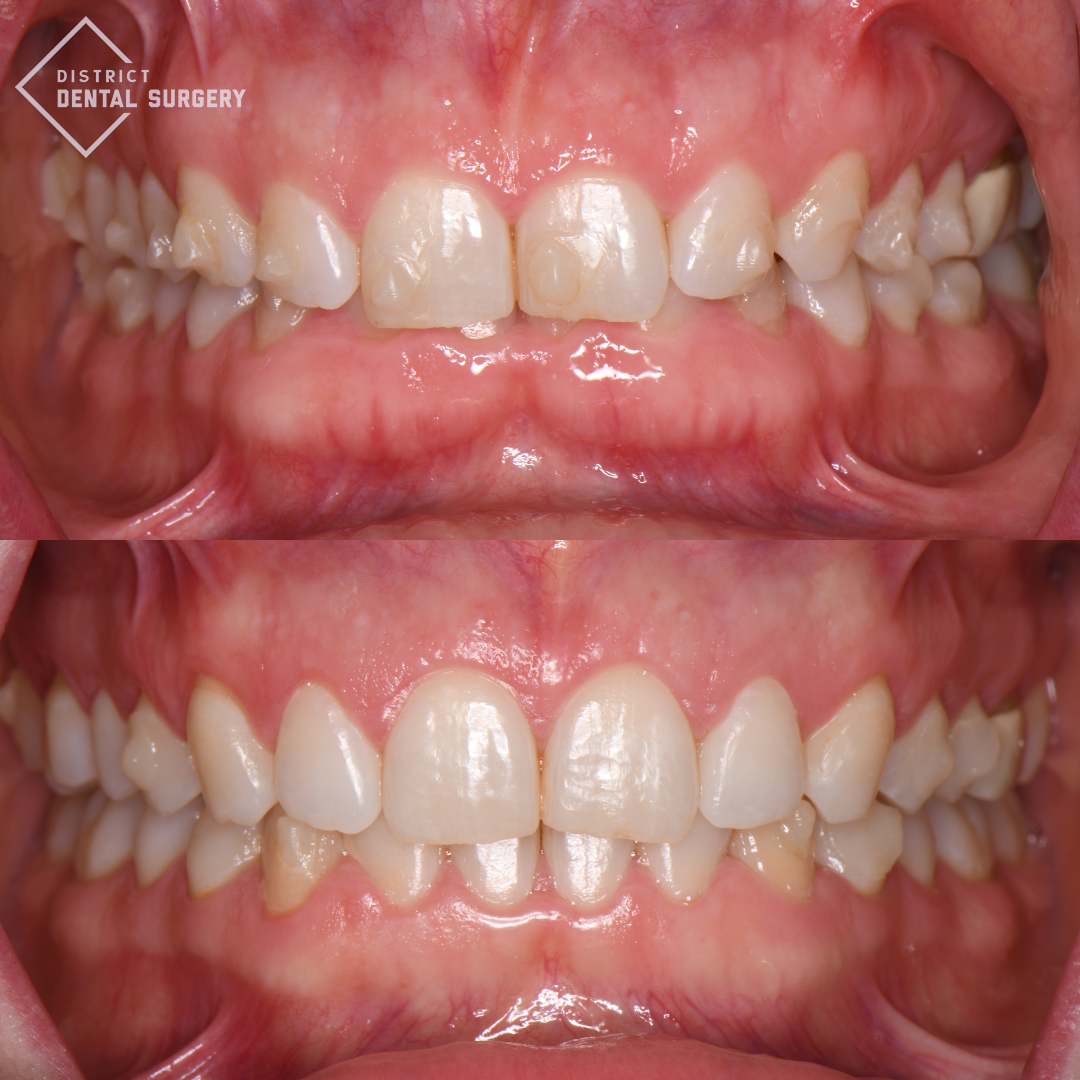
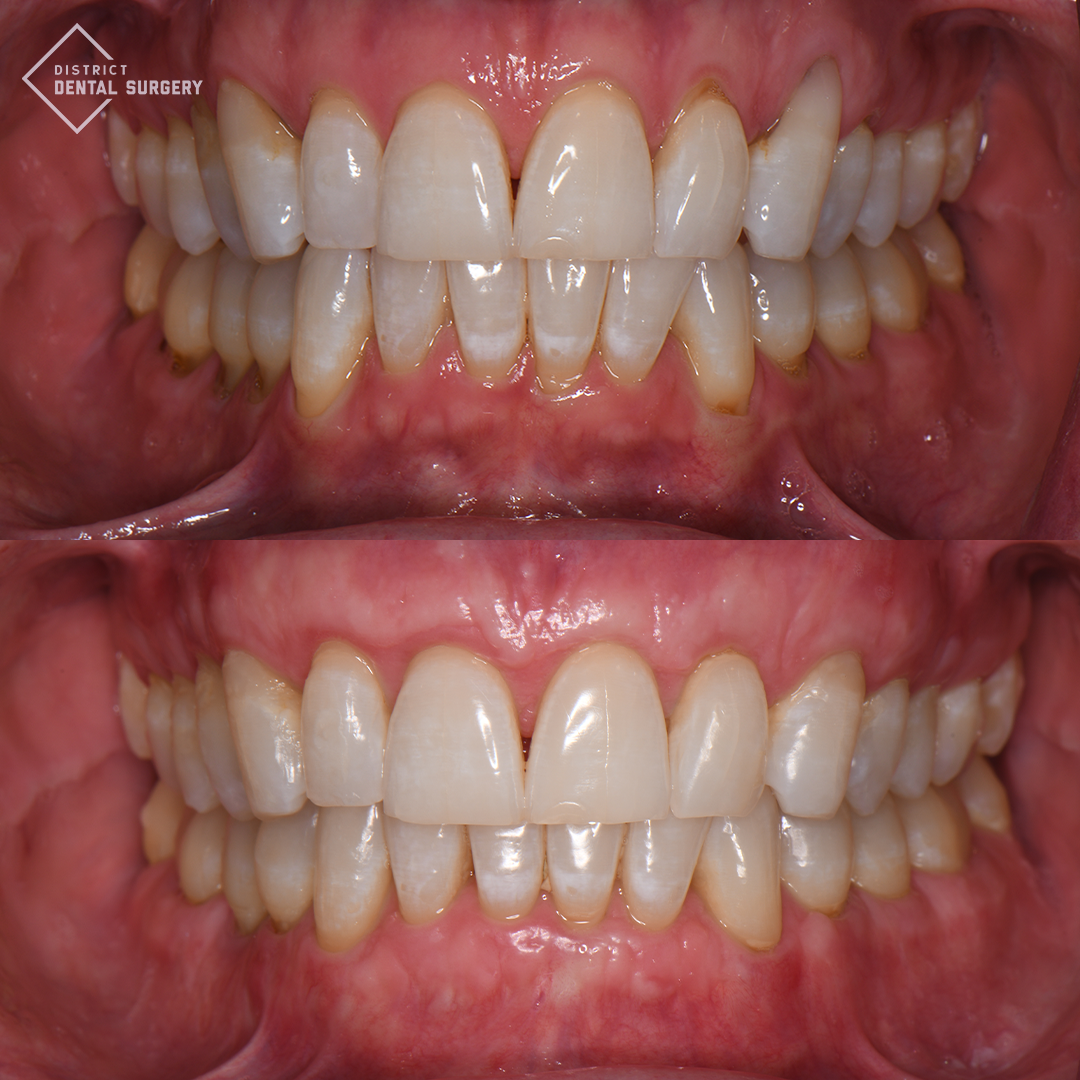
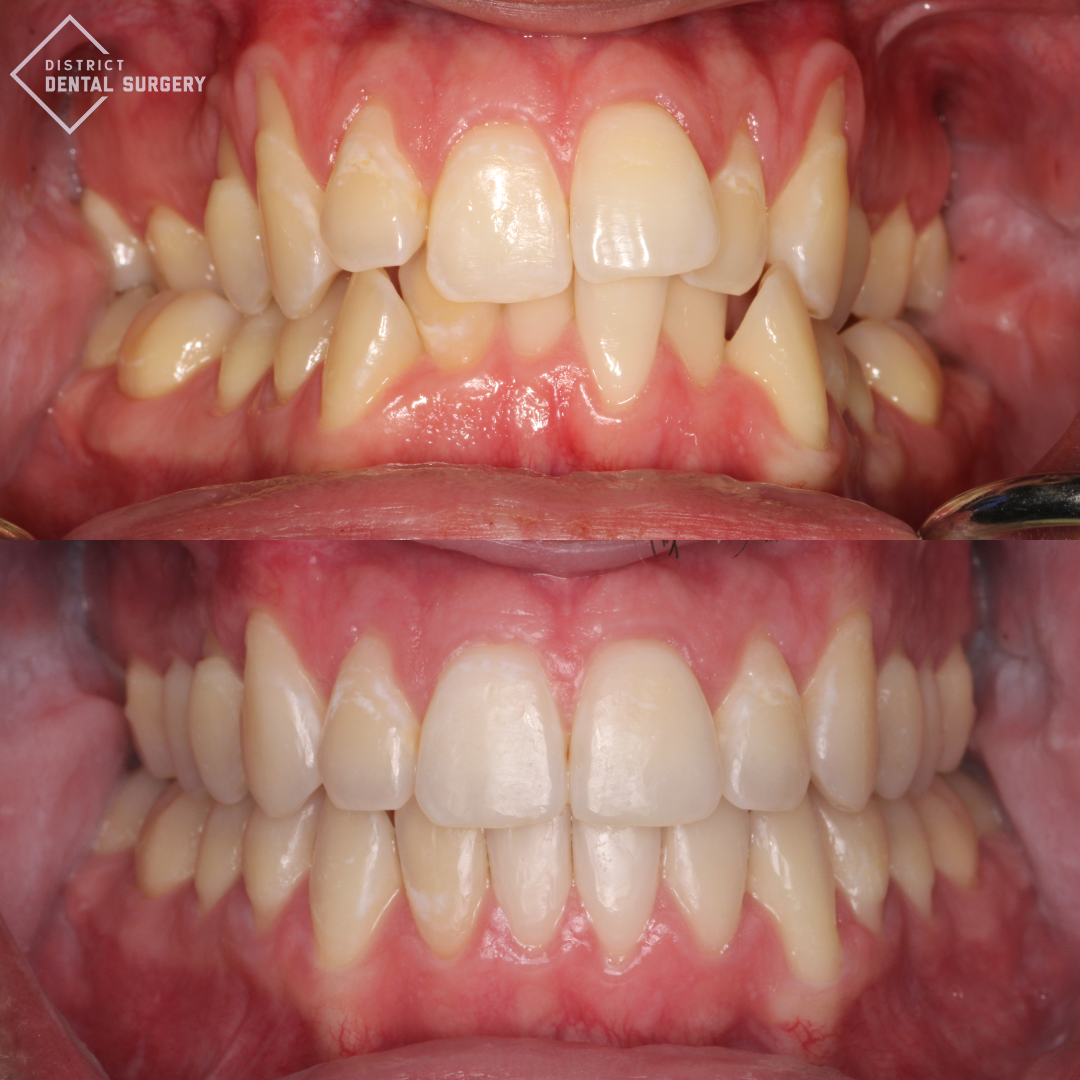
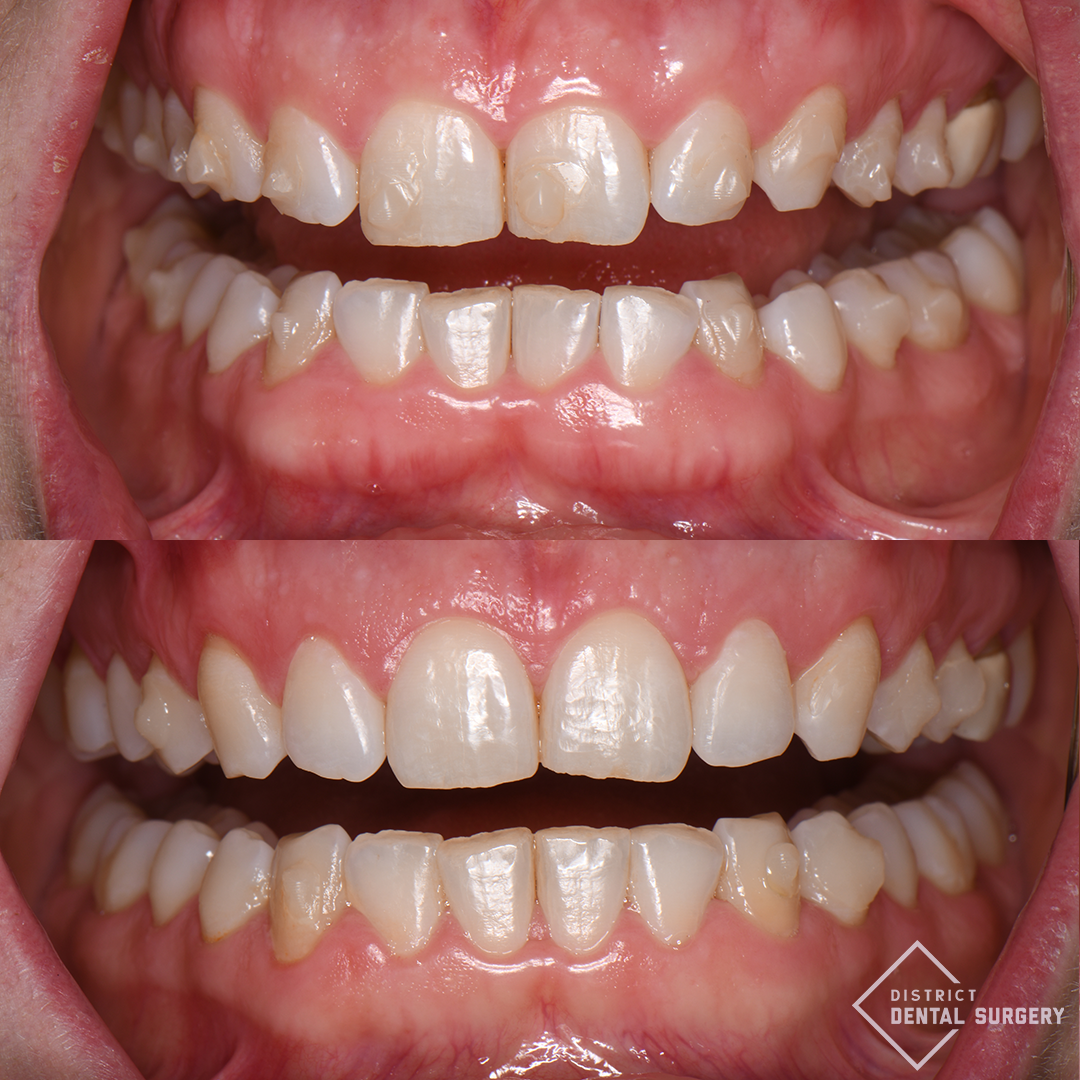
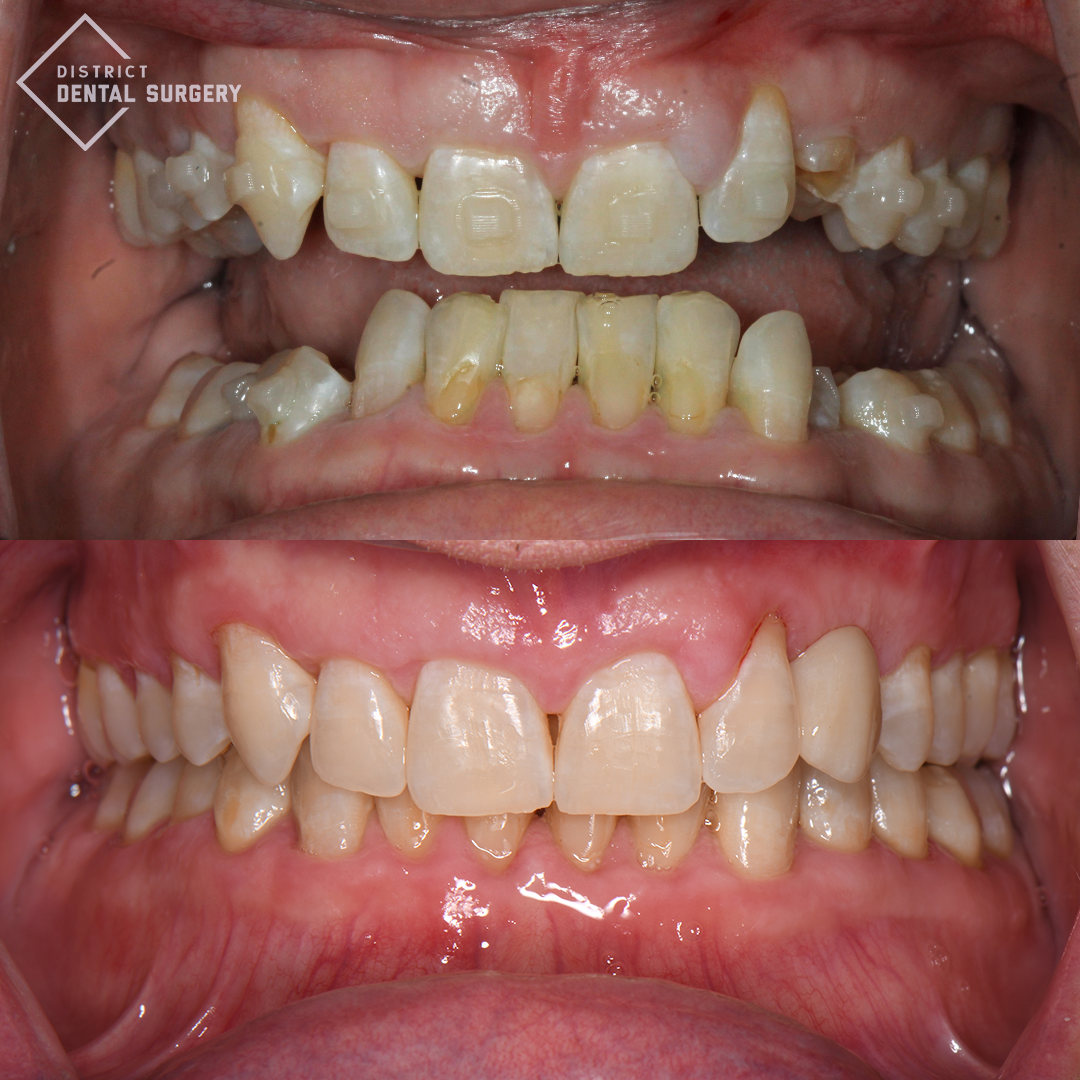
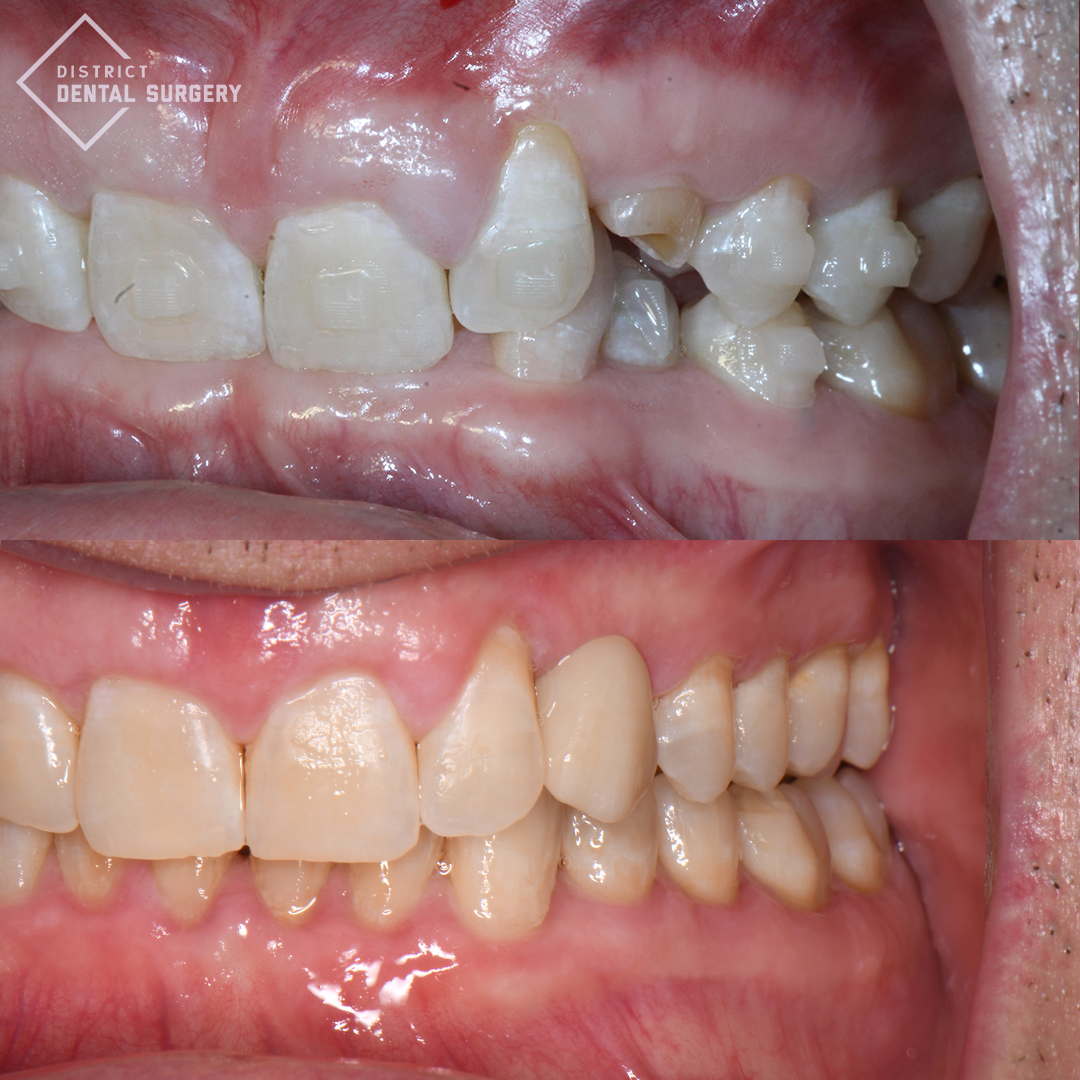
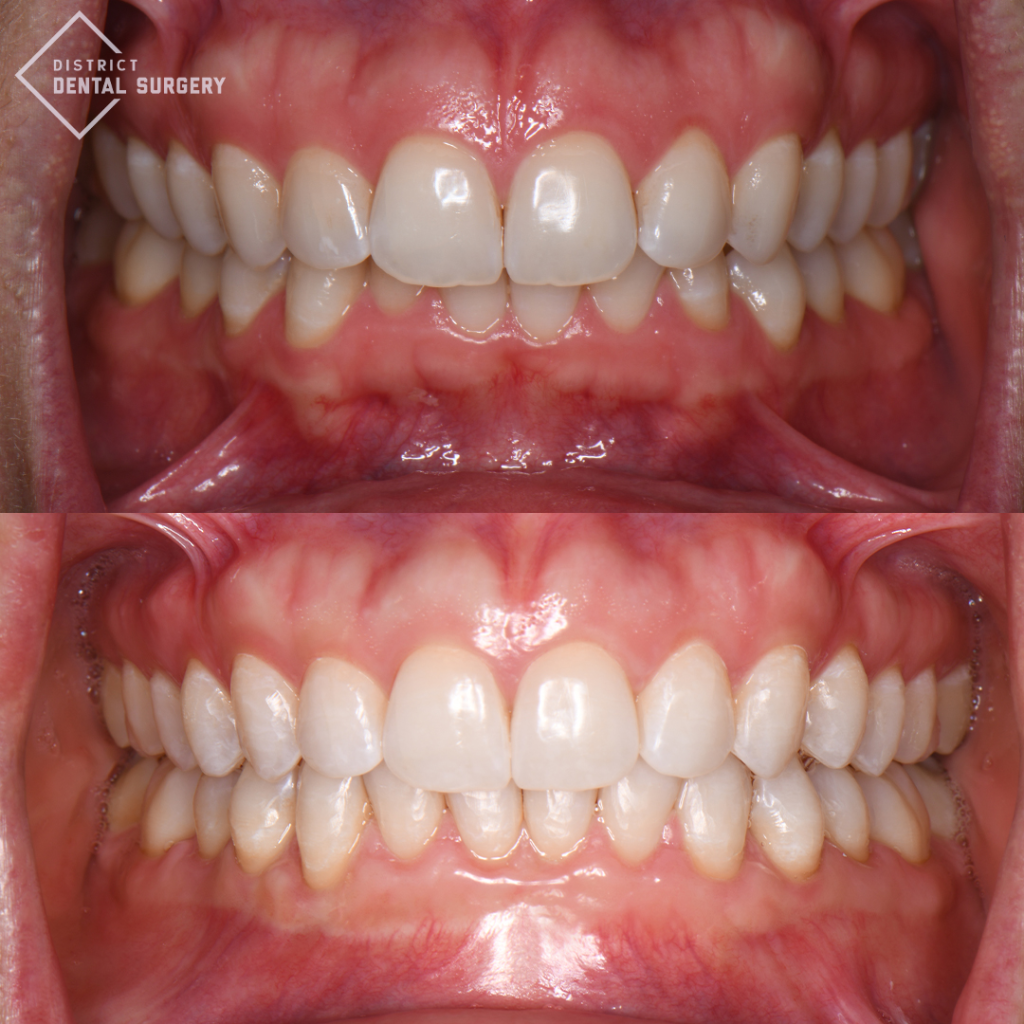
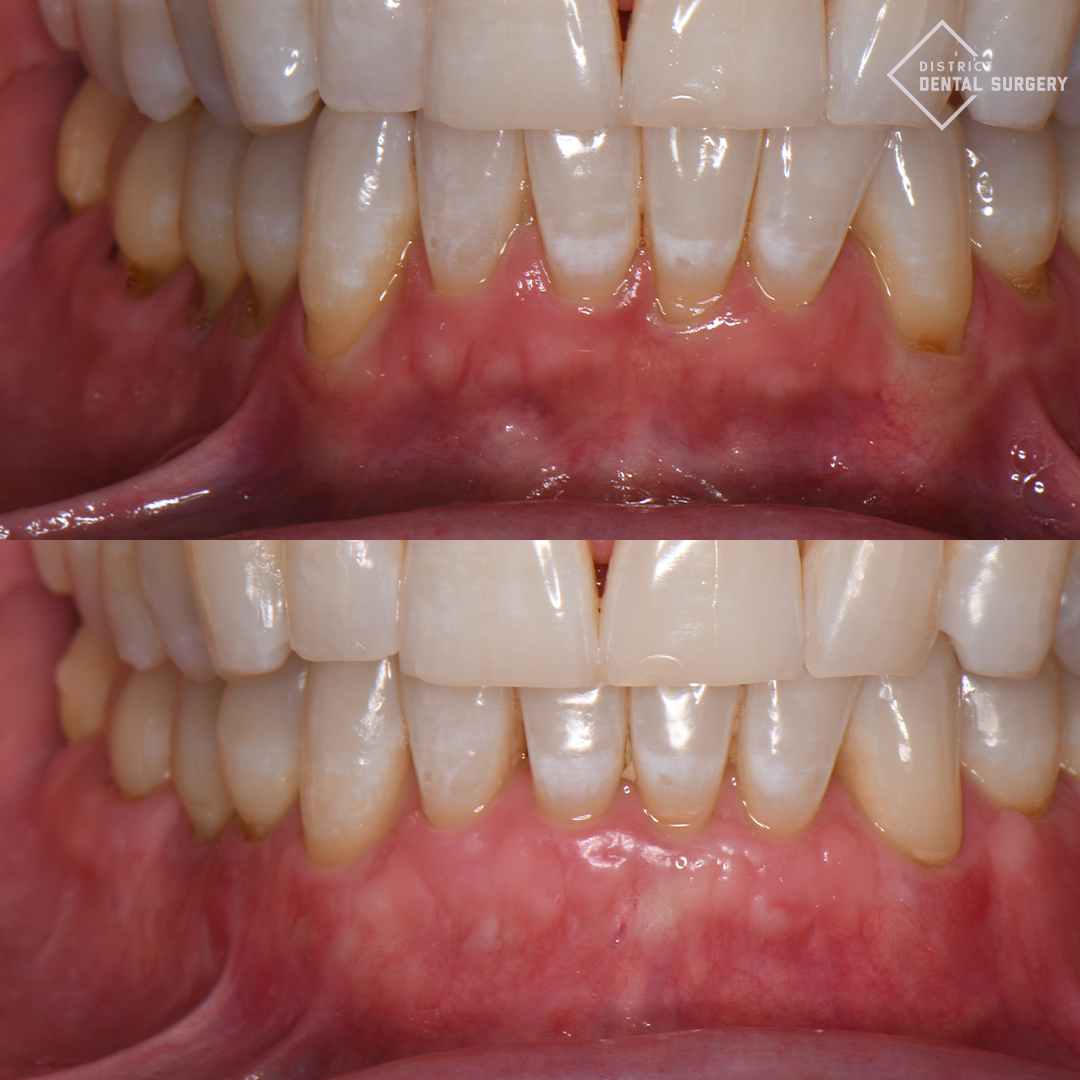
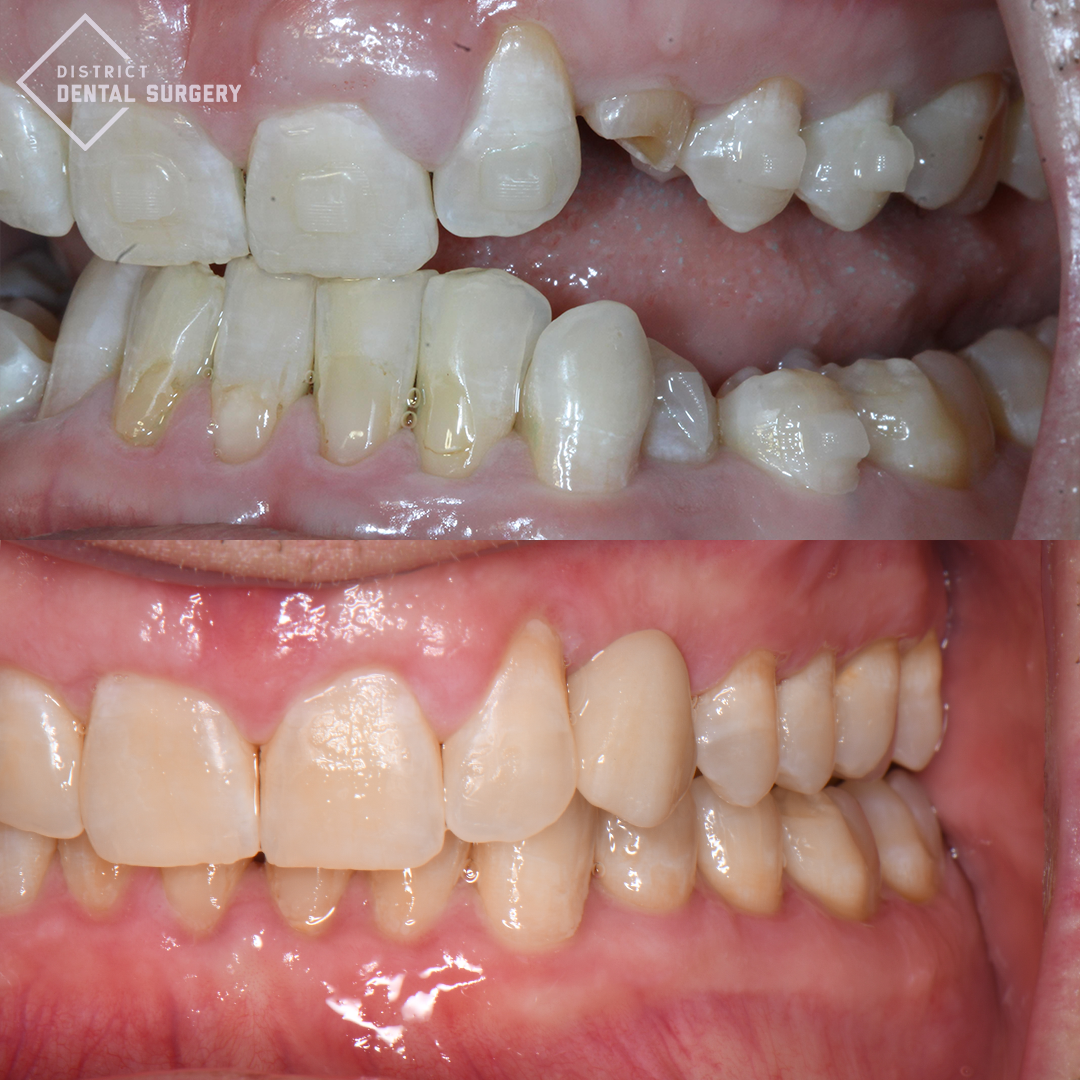
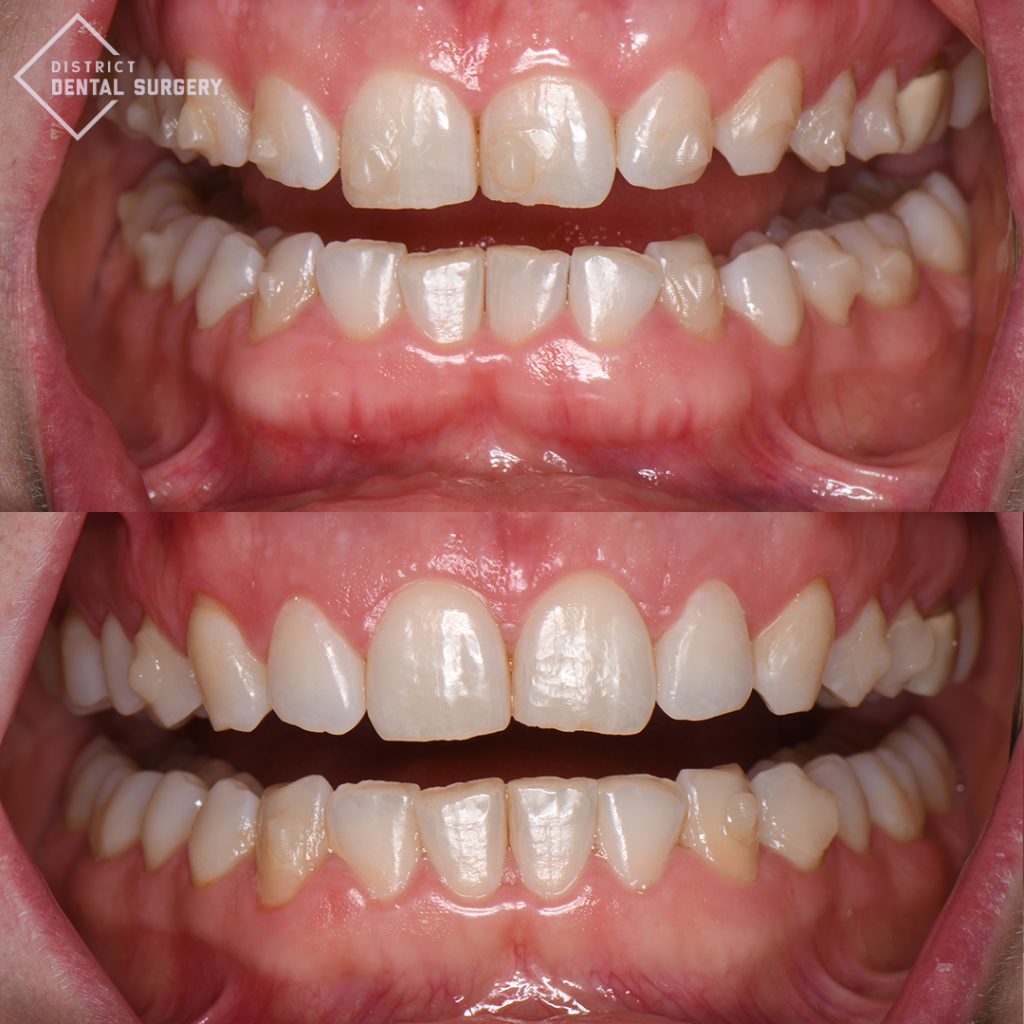
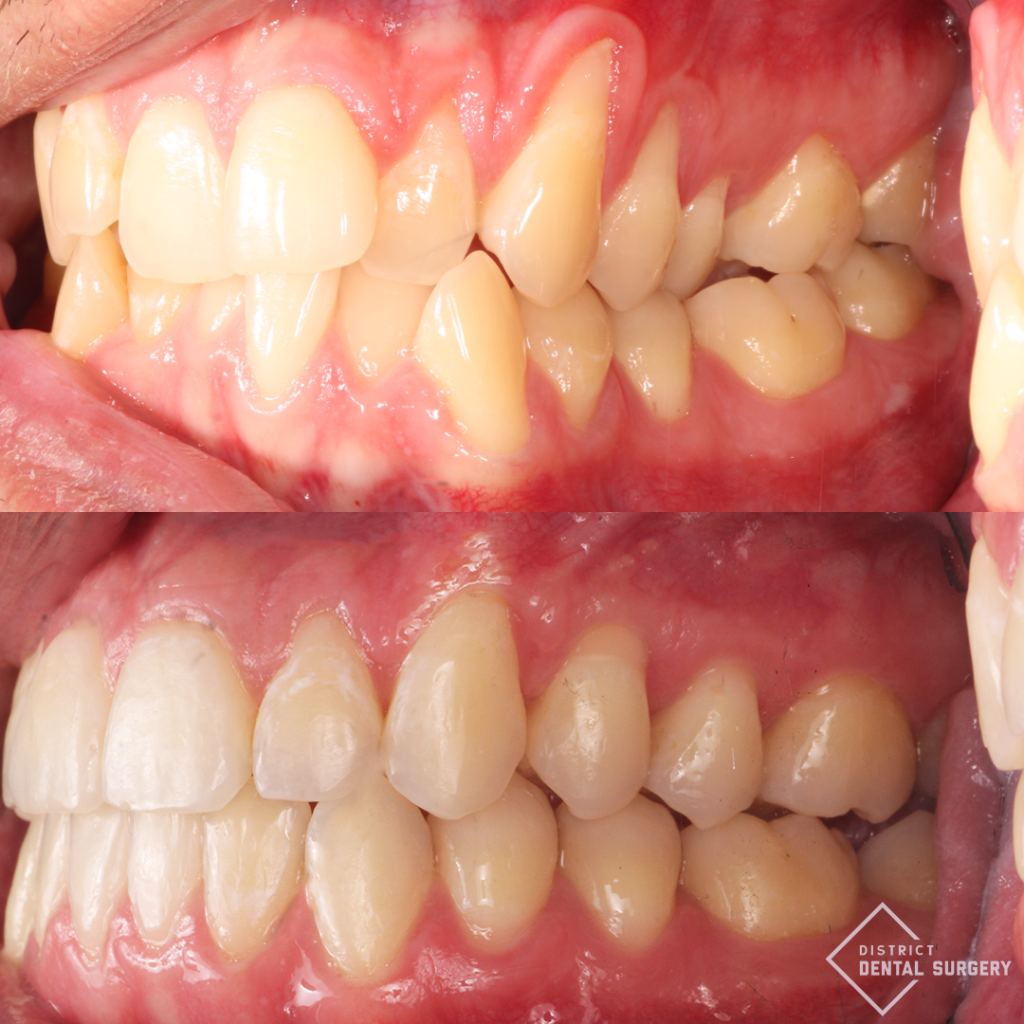
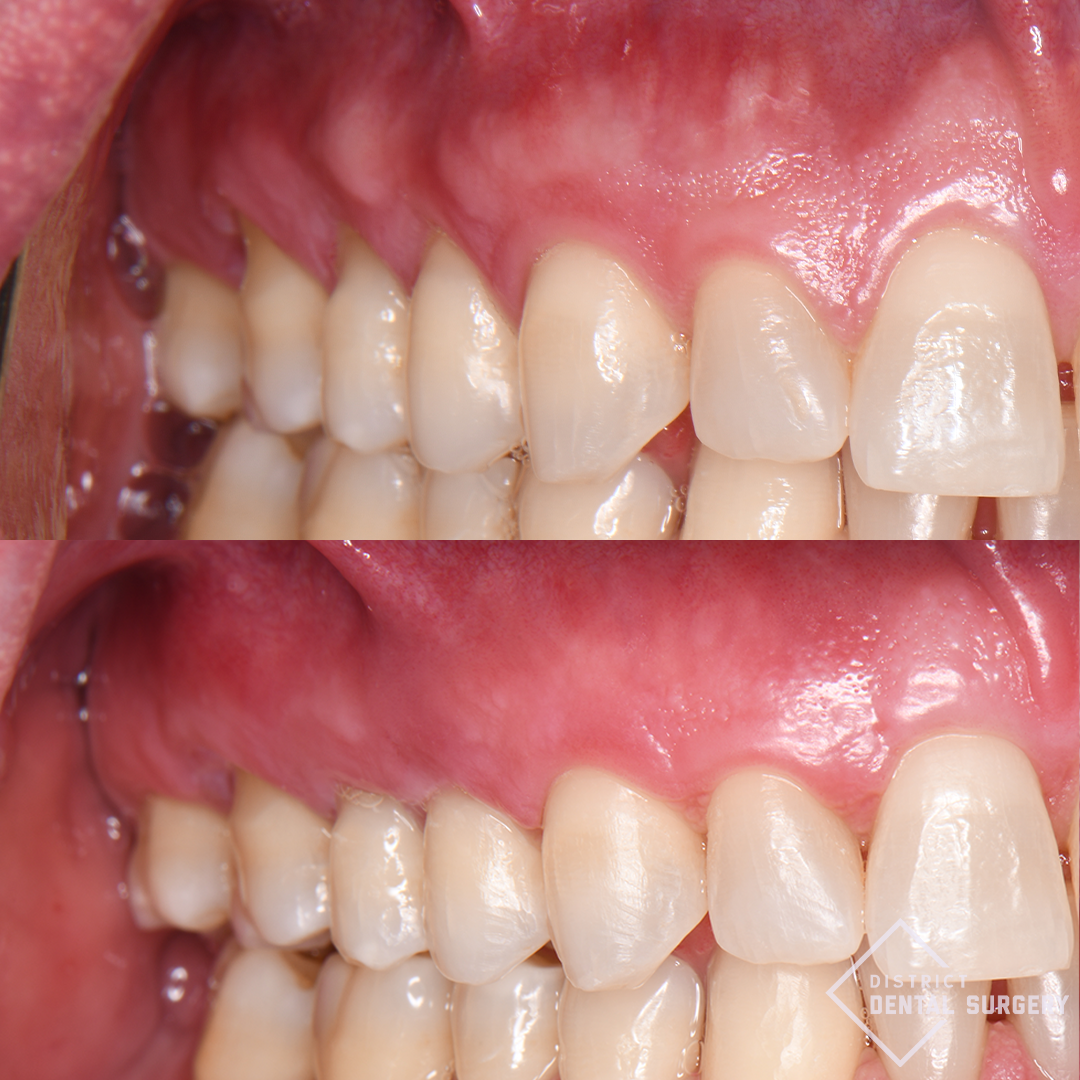
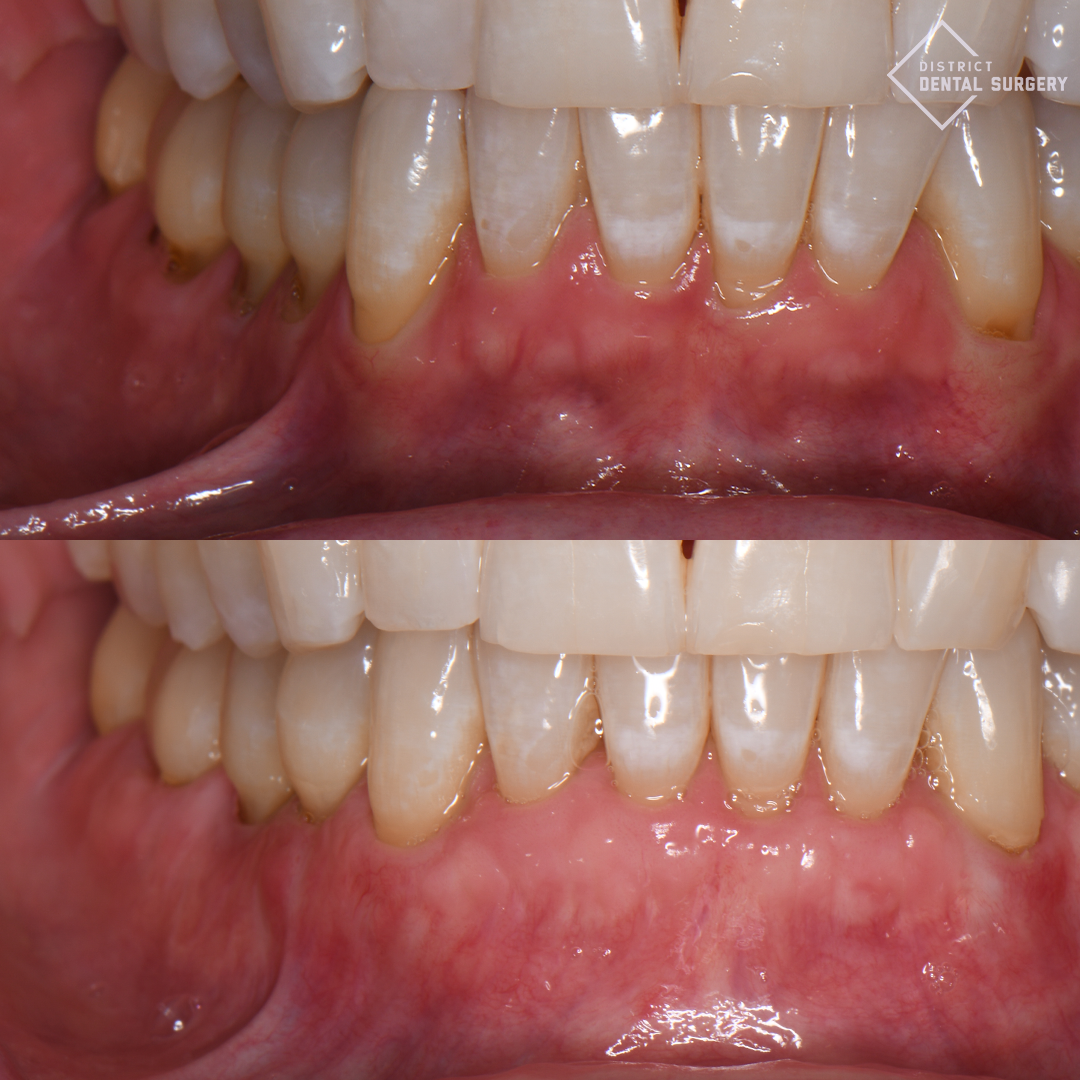
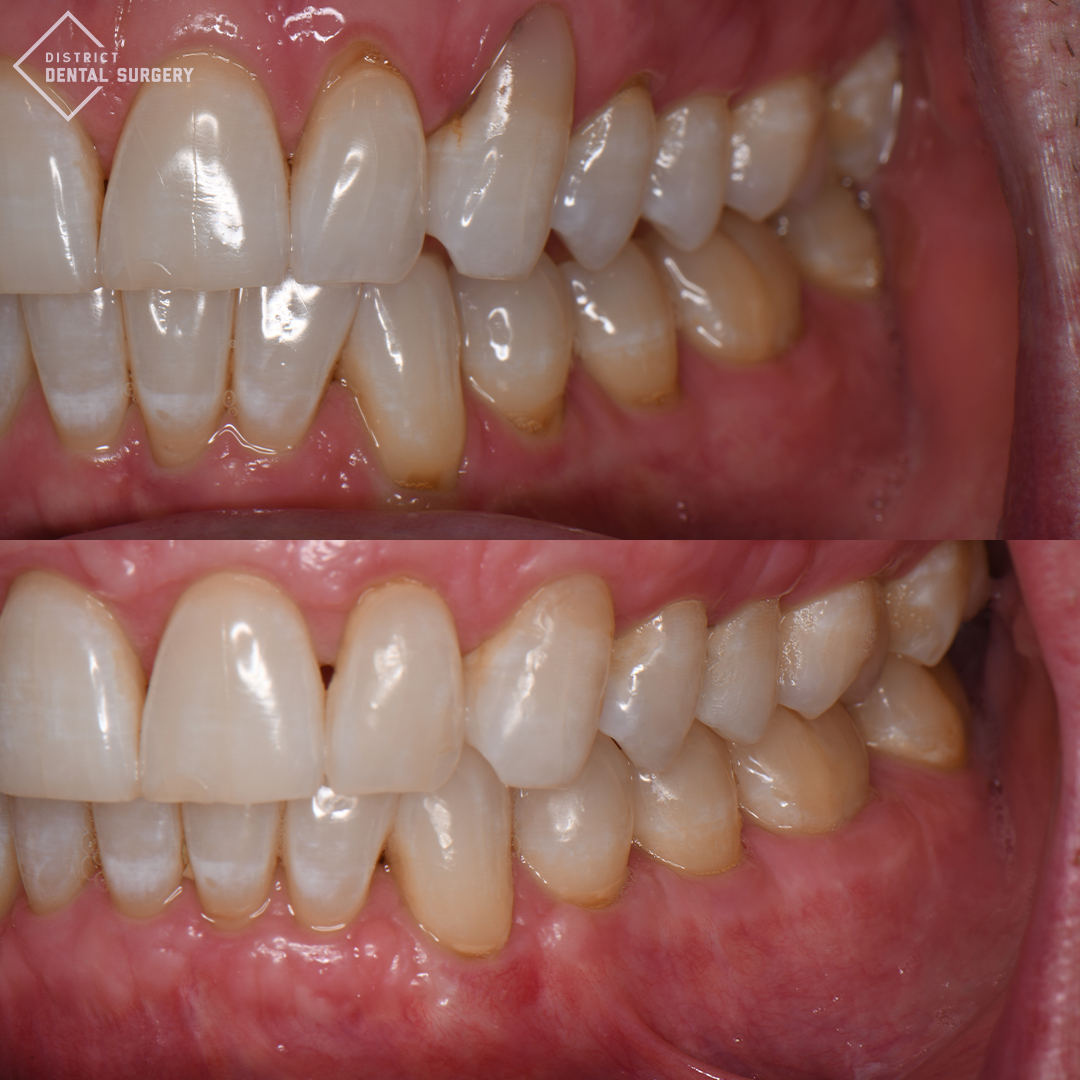
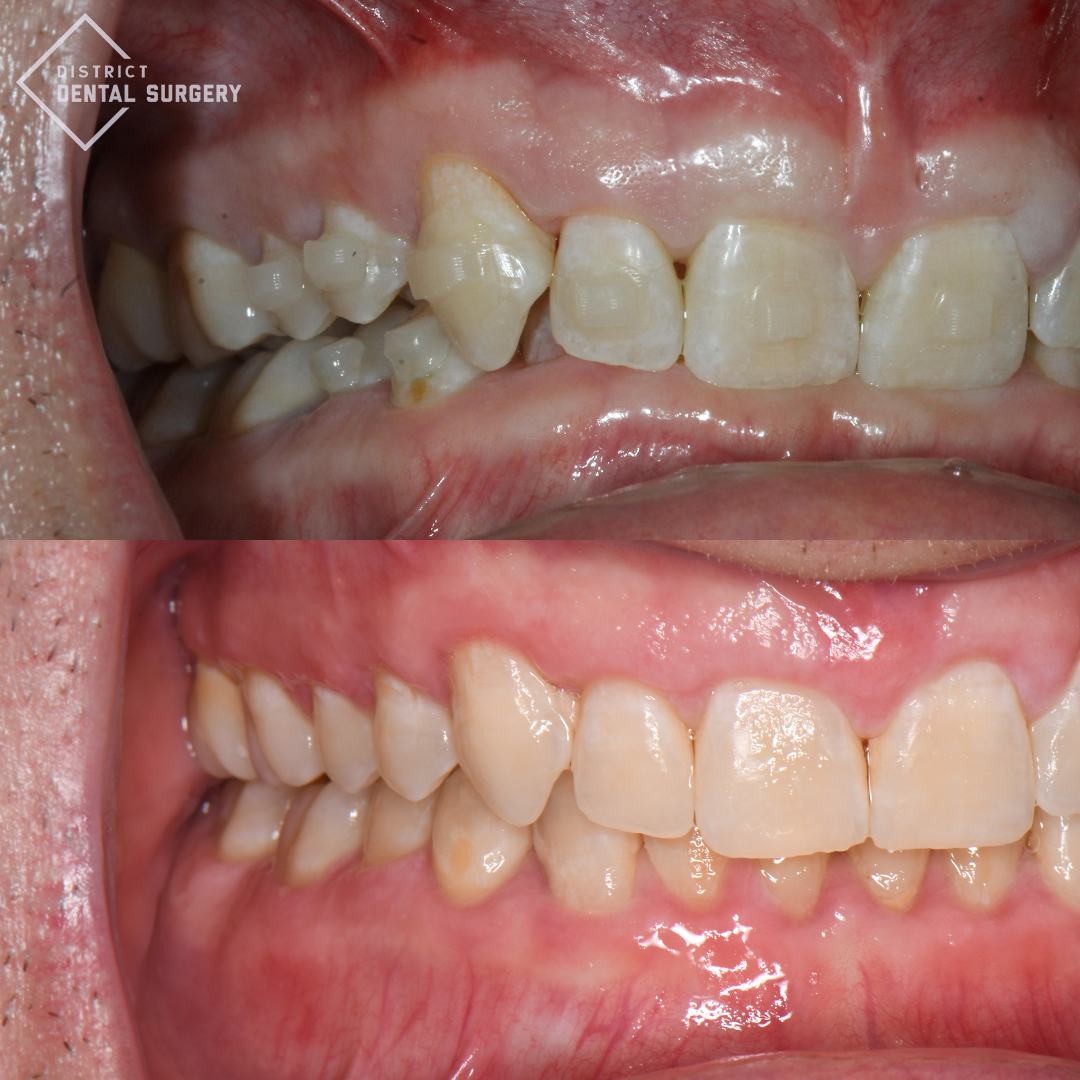
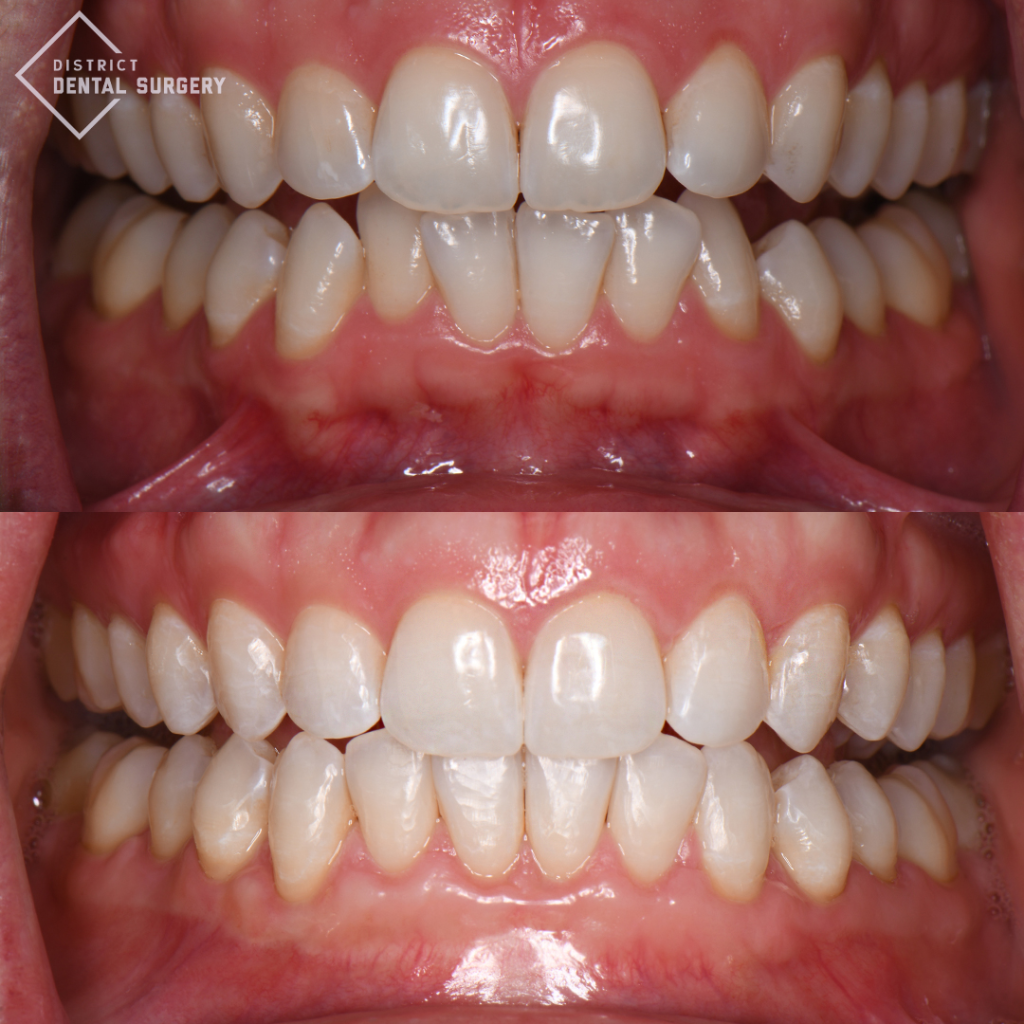
Our Transformative Results
SFOT
SFOT
SFOT
SFOT
SFOT
SFOT
SFOT
SFOT
SFOT
SFOT
SFOT
SFOT
SFOT
SFOT
SFOT
SFOT
SFOT
SFOT
SFOT
SFOT
SFOT
SFOT
SFOT
SFOT