Gum Grafting After Dental Implants
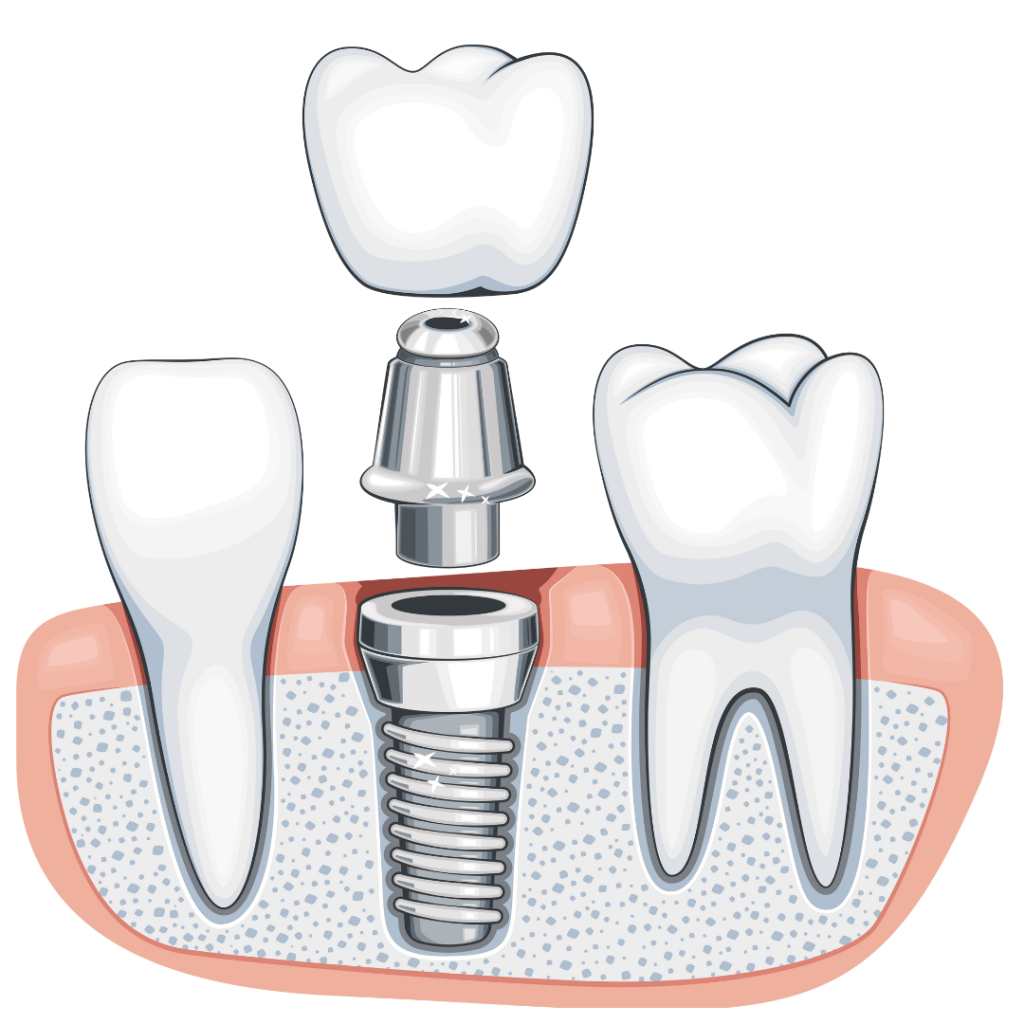
Gum Graft Around Dental Implants Dental implants are designed to be a long-term solution, but their success depends on more than just the implant itself. Healthy gum tissue around natural teeth is important. Around implants, it’s even more critical. When gum tissue is thin or weak, it can recede over time. Around implants, this recession often leads to the gray or metallic color of the implant showing through the gums. While this can be a cosmetic concern, it’s also a functional one that can affect long-term implant health. Why Gum Recession Can Happen Around Dental Implants? Gum recession around implants doesn’t happen for just one reason. It’s usually a combination of factors, including: Implant placement – The position and angle of the implant can influence how the surrounding tissue behaves over time. Gum health at the time of implant placement – Thin or insufficient gum tissue from the start increases the risk of future recession. Genetics – Some patients naturally have thinner gum tissue, making them more prone to recession regardless of oral hygiene. When the tissue thins and pulls away, the implant surface underneath can become visible. This is often when patients start noticing a grayish hue near their implant. What Is Gum Grafting For Dental Implants? Gum grafting after dental implants is performed to thicken and strengthen the tissue around the implant, creating a healthier and more stable environment. One commonly used technique is a free gingival graft, which adds a band of thick, protective gum tissue in areas where it is lacking. This type of graft helps: Reduce the risk of further gum recession Improve long-term implant stability Create tissue that is easier to keep clean Protect the bone and implant underneath Gum grafting can be performed around: A single dental implant Multiple implants Implants used in All-on-X or full-arch restorations Anywhere there is a deficiency in thick, healthy gum tissue, a free gingival graft may be an option. Patient Case: Gum Grafting Around an Implant Video: Dr. Raha Yousefi Explains a Real Patient Case This patient had dental implants placed, and over time, began to notice the implant becoming visible as the gum tissue thinned and receded. When gum tissue is naturally thin or lacks adequate thickness, it can gradually pull away from the implant, allowing the gray color or metal of the implant to show through. https://youtube.com/shorts/LmcfiLcAdpk To prevent additional recession and strengthen the area, this patient was an excellent candidate for a free gingival graft. In this case, the graft was performed around an implant that is part of an All-on-X fixed denture, where multiple implants support a full set of fixed teeth. A free gingival graft can be performed anywhere a patient lacks adequate thick, healthy gum tissue. By thickening the tissue around the implant, we create a stronger, healthier environment that helps protect the implant long term. It’s important to note that while a free gingival graft can significantly thicken the tissue above the implant, it cannot fully cover the implant itself. Dental implants are made of titanium and do not have a blood supply, which means new gum tissue cannot attach directly to the implant surface. Instead, the graft is placed in areas with a blood supply to reinforce and stabilize the surrounding tissue. After the graft, there is a healthier, thicker band of gum tissue, and although the implant is not fully covered, the overall tissue position and quality are greatly improved. What a Gum Graft Can (and Can’t) Do Around Implants Dental implants are made of titanium, which has no blood supply. Because of this: New gum tissue cannot bond directly to the implant surface The graft is placed above the implant, where there is blood supply By thickening the tissue above the implant, we can protect the area, improve stability, and maintain healthier gums long-term. Before and After: What Changes With a Free Gingival Graft Before treatment: The gum tissue was very thin The implant appeared gray beneath the gums After the free gingival graft: A strong band of thick, healthy gum tissue developed While the implant itself wasn’t fully covered, the tissue settled lower The area became more stable and better protected This thickened tissue helps prevent additional recession and supports the long-term success of the implant. Gum Grafting After Implants: A Proactive Step Gum grafting after dental implants isn’t just about appearance. It’s about protecting your investment and maintaining healthy tissue for years to come. Whether you have a single implant, multiple implants, or an All-on-X restoration. A free gingival graft can be performed wherever gum tissue is insufficient. If you’ve noticed gum recession, thinning tissue, or metal showing around your implant, a periodontal evaluation can help determine whether gum grafting is the right next step for you.
Gum Grafting After Dental Implants Read More »