Gum Recession

Can Gum Recession Be Reversed Without Painful Surgery? A Patient-Centered Guide

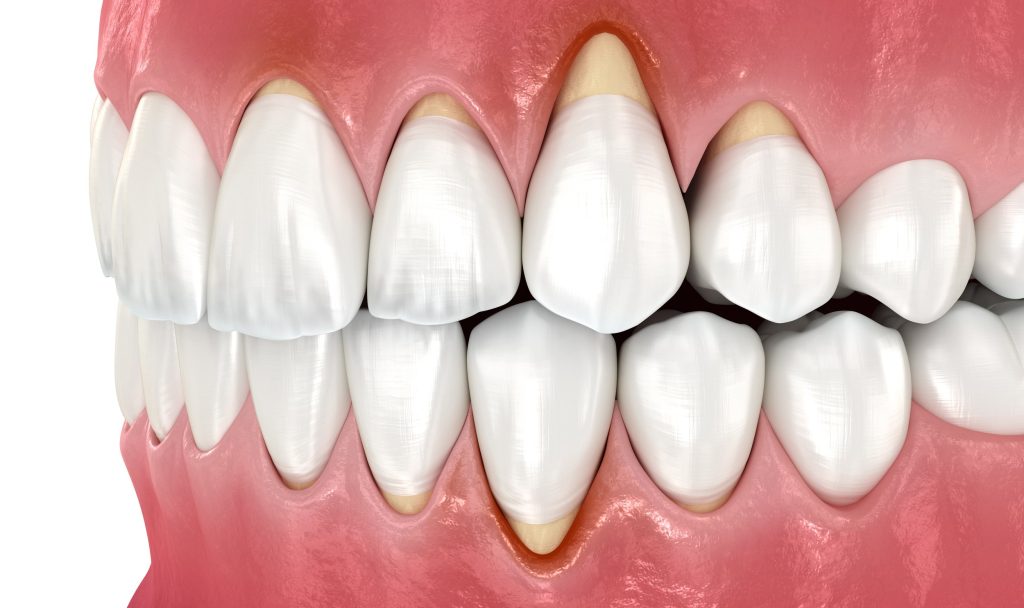
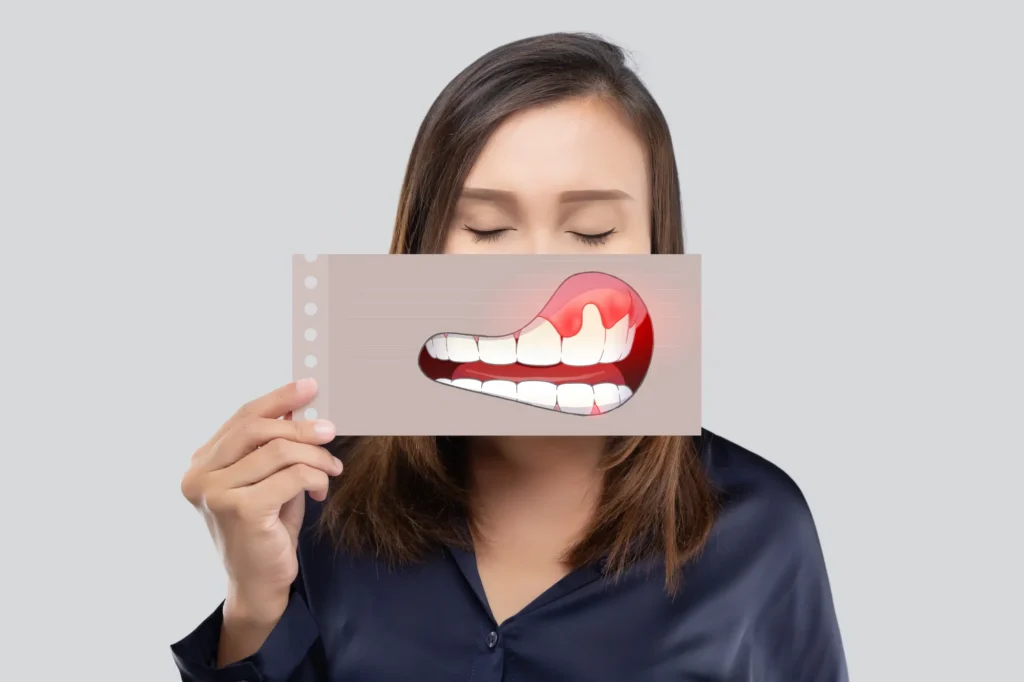
Can Gum Recession Be Reversed Without Painful Surgery? A Patient-Centered Guide For many, the thought of gum recession brings a wave of anxiety, visions of discomfort, lengthy procedures, and uncertainty about recovery. If you’ve noticed your gums pulling back, exposing more of your teeth, you may be wondering. Can gum recession be reversed without painful surgery? The good news is that modern periodontal care offers innovative, minimally invasive solutions that prioritize comfort and exceptional outcomes. Here’s a closer look at how cutting-edge approaches can help restore your confidence and oral health with ease. Understanding Gum Recession: What You Need to Know Gum recession occurs when the gum tissue surrounding your teeth wears away or pulls back, exposing the tooth’s root. This can create gaps that allow harmful bacteria to accumulate, increasing the risk of further damage. Left untreated, gum recession may lead to tooth sensitivity, decay, or even tooth loss. But why does it happen? Common causes include: Aggressive brushing or improper oral hygiene techniques Gum disease (periodontal disease) Genetics, some people are naturally predisposed Teeth grinding or clenching Misaligned teeth or bite issues Smoking or use of other tobacco products If you’re concerned about gum recession, rest assured that advancements in periodontal care have made treatments safer, more effective, and remarkably comfortable. Modern Gum Recession Treatments: Less Pain, More Results The idea of surgery often deters individuals from seeking treatment, but it’s time to shift the narrative. At District Dental Surgery – DC, we use state-of-the-art technology and minimally invasive options to ensure your experience is as painless and stress-free as possible. Non-Surgical and Minimally Invasive Gum Recession Solutions Advanced techniques have revolutionized the way we address gum recession: Scaling and Root Planing: While it doesn’t necessarily rebuild gum tissue, the deep cleaning procedure removes plaque and tartar from below the gumline to promote healthier tissue. It’s often paired with medication to reduce bacterial infection, as well as other treatments that help rebuild gum tissue. Pinhole Surgical Technique (PST): Known for its minimally invasive approach, this method repositions gum tissue without the need for cutting or sutures, leading to a faster and more comfortable recovery process. Tissue Regeneration: Advanced materials and techniques can stimulate new tissue growth in certain cases, helping to repair and rebuild receding gums. These options are designed to minimize discomfort while providing long-lasting results, making them ideal for patients who value a boutique, elevated dental experience. Why Addressing Gum Recession Matters Ignoring gum recession can lead to serious complications, but early intervention offers a range of benefits: Enhanced Oral Health: Treating gum recession protects your teeth and prevents further damage. Improved Appearance: Restoring gum tissue can create a healthier, more symmetrical smile. Reduced Sensitivity: Covering exposed roots reduces the discomfort caused by heat, cold, and pressure. Boosted Confidence: Many patients find that treatment gives them the freedom to smile and eat without hesitation. Your gum health plays a crucial role in your overall well-being. That’s why an expert-driven, patient-centered approach is essential. What Sets Care at District Dental Surgery – DC Apart? At District Dental Surgery – DC, the difference is in the details. Our team, led by Dr. Raha Yousefi and Dr. Lucy Johnson, has earned a reputation for delivering world-class care with a compassionate touch. Here’s what patients love about us: Luxury, Concierge-Like Experience: From your first visit to follow-up care, every aspect of your journey is tailored to your needs. Our two convenient locations in Washington, DC and equipped, elegant offices ensure a seamless experience for busy professionals. Advanced Technology, Elevated Care: Using minimally invasive techniques and state-of-the-art tools, we achieve superior outcomes while ensuring maximum comfort. Patient-Focused Philosophy: Whether you’re struggling with dental anxiety or require detailed guidance, our compassionate team ensures you feel supported every step of the way. Patients frequently note our commitment to painless procedures and proactive follow-up care. Is Gum Recession Treatment Right for You? Not sure where to begin? It’s essential to start with a consultation. Every patient is unique, and our skilled team will evaluate the extent of your gum recession before creating a customized treatment plan. You deserve a solution tailored to your health, goals, and comfort. FAQs About Gum Recession Treatment Still have questions? Here are some of the most common concerns: Will treatment be painful? Our minimally invasive techniques are designed for patient comfort, often requiring little downtime. How long does recovery take? Depending on the method used, many patients report feeling back to normal within days. Can I prevent future gum recession? Yes! Our team provides practical advice and ongoing care to help protect your gums moving forward. There’s no need to let hesitation about gum surgery hold you back. With modern, patient-friendly solutions, addressing gum recession has never been easier, or gentler. Take the First Step Toward Healthier Gums Is gum recession impacting your smile, comfort, or confidence? Now is the time to explore state-of-the-art, minimally invasive treatments designed with your needs in mind. At District Dental Surgery – DC, we’re here to guide you on a journey to healthier gums and renewed peace of mind. Contact our trusted team today at (202) 393-6154 to schedule your consultation. With offices conveniently located in Washington, DC, exceptional periodontal care is just a call away. Don’t wait, experience the elevated, compassionate care you deserve with Dr. Raha Yousefi and Dr. Lucy Johnson. Let us show you how effortless a stunning, healthy smile can be!

Can Gum Recession Be Reversed Without Painful Surgery? A Patient-Centered Guide Read More »
Treating Receding Gums in Bethesda: The Benefits of Gum Grafting

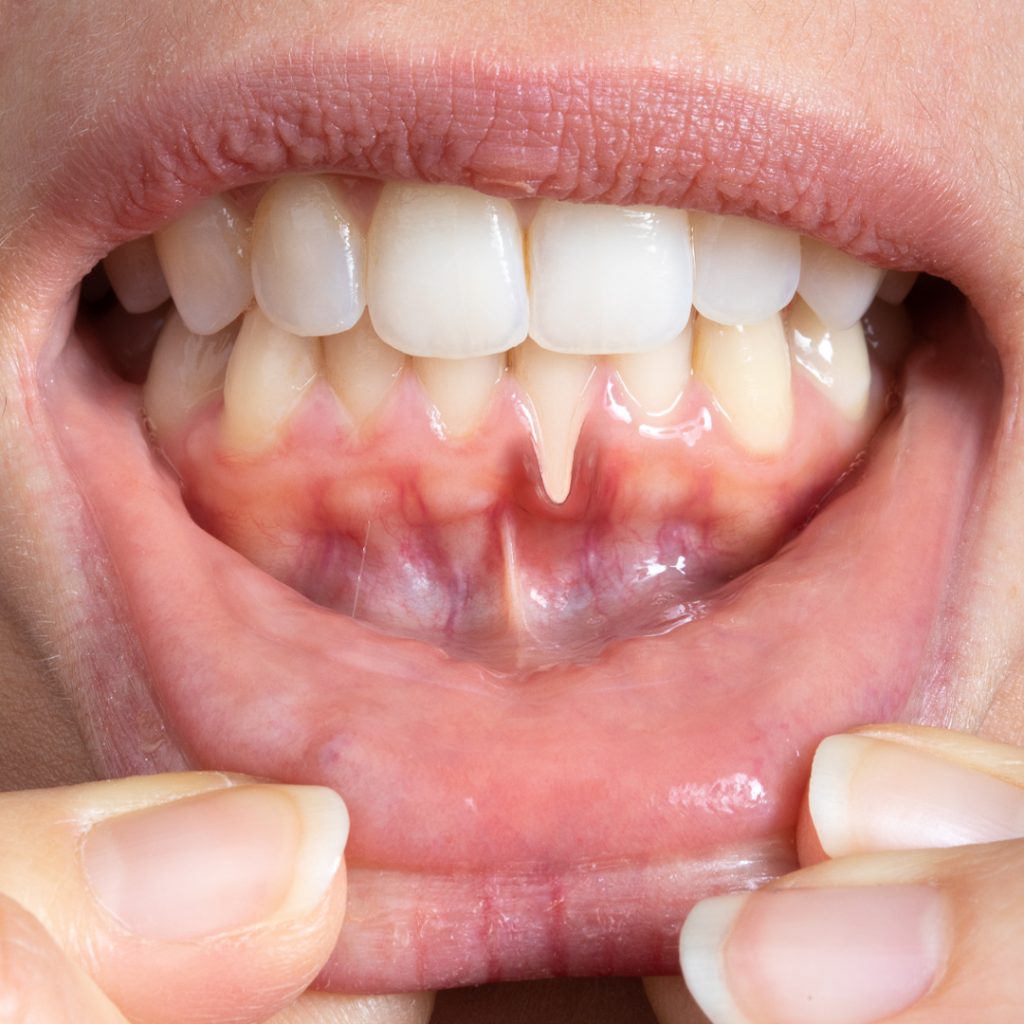
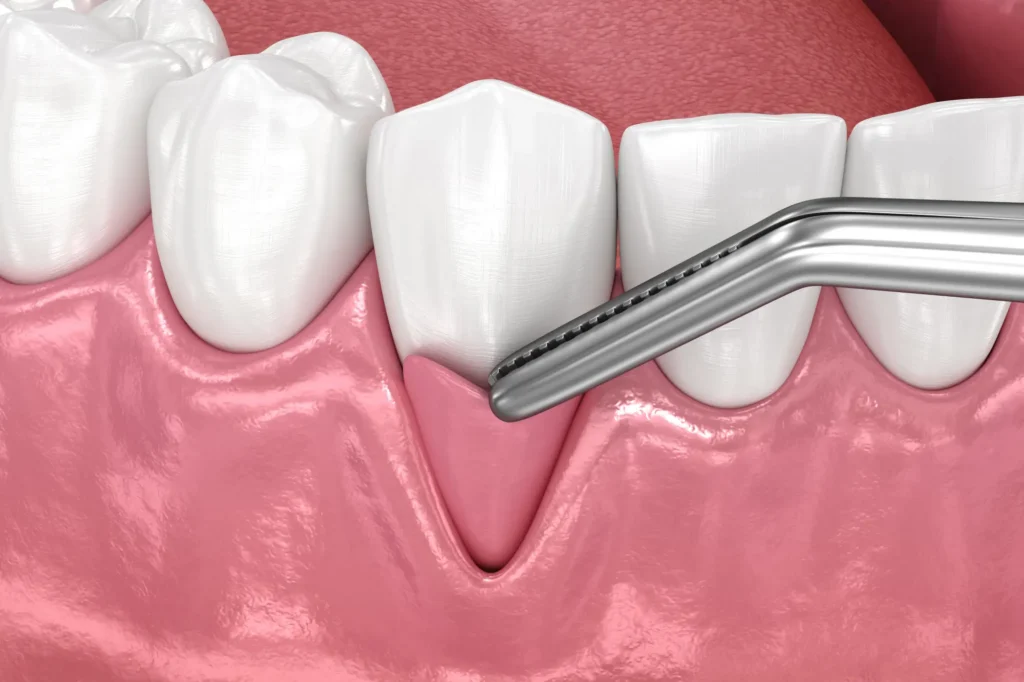
Treating Receding Gums: The Benefits of Gum Grafting Do your gums appear to be pulling away from your teeth, making them look longer or even more sensitive? You’re not alone. Gum recession is a common concern, leaving many people in Bethesda searching for effective, long-lasting solutions. At District Dental Surgery, we understand the discomfort and anxiety that often accompany this condition. That’s why our experienced team, led by Dr. Raha Yousefi, Dr. Roy Eskow, and Dr. Syeda Mahbub, offers transformative gum grafting treatments designed to restore not only your oral health but also your confidence and peace of mind. Understanding Gum Recession: Why It Matters Gum recession happens when the gum tissue surrounding your teeth gradually wears away, exposing the tooth roots. While this condition may develop slowly, its effects can be serious if left untreated. Receding gums can lead to increased tooth sensitivity, make your smile more vulnerable to decay, and even result in tooth loss if not addressed promptly. Beyond the health risks, many people feel self-conscious about how gum recession affects their smile. At District Dental Surgery, we often hear patients share their concerns about discomfort, aesthetics, and the other long-term consequences of untreated gum recession. Thankfully, gum grafting offers a highly effective solution that not only halts further damage but also provides noticeable cosmetic improvements. What Is Gum Grafting? Gum grafting is an advanced dental procedure that involves the precise placement of gum tissue, either from your own mouth or a donor source, to cover exposed tooth roots. This modern approach not only restores gum coverage but also strengthens the overall health and stability of your teeth. It’s a minimally invasive procedure specially designed to improve both function and aesthetics. Our dedicated team at District Dental Surgery uses state-of-the-art technology and refined techniques to ensure your gum grafting experience is as comfortable and seamless as possible. From your first consultation to your final follow-up, we focus on delivering personalized care that addresses your unique needs. The Benefits of Gum Grafting When it comes to treating receding gums, gum grafting offers a wide range of benefits that extend beyond just oral health: Protects tooth roots: Covering exposed roots prevents sensitivity and lowers the risk of decay, saving your teeth from potential damage. Enhances smile aesthetics: Restored gums create a naturally balanced and youthful appearance, boosting your confidence every time you smile. Stops further gum recession: Gum grafting stabilizes the gumline, halting the progression of recession and preventing more extensive dental issues. Improves overall oral health: Healthy gums are the foundation of a healthy smile, supporting better function, longevity, and wellness. Minimally Invasive Techniques at District Dental Surgery Your comfort matters, and that’s why we use advanced, minimally invasive options to make gum grafting faster, easier, and less stressful than ever before. Our cutting-edge diagnostic tools allow for pinpoint accuracy, while innovative grafting methods mean shorter procedures and smoother recoveries. Patients frequently praise our gentle, concierge-style care and the focus we place on creating a calm, reassuring environment. With dedicated aftercare guidance and follow-ups tailored to your needs, returning to your daily life is effortless and worry-free. What to Expect During a Gum Grafting Procedure At District Dental Surgery, every gum grafting journey begins with a detailed consultation. During this visit, our experts thoroughly assess your gum health, discuss treatment options, and answer any questions you may have. Once your treatment plan is finalized, here’s what you can typically expect: Preparation: A local anesthetic ensures you’re completely comfortable during the procedure. Graft placement: Using precise techniques, we place the grafted tissue onto your gumline, securing it for optimal healing and integration. Recovery: Post-procedure instructions and follow-ups ensure a smooth recovery and predictable results. Our team stays by your side every step of the way, so you’re never left wondering about the next part of the process. Frequently Asked Questions About Gum Grafting Is gum grafting painful? One of the most common concerns patients have is pain. At District Dental Surgery, we prioritize your comfort using advanced anesthesia and techniques. Most patients describe the process as far less uncomfortable than they anticipated, with manageable recovery times. How long does the procedure take? Depending on the complexity and the number of teeth involved, gum grafting can typically be completed in one to two hours. Our streamlined approach ensures both efficiency and precision. Will insurance cover my procedure? Certain plans may cover gum grafting for medical purposes. Our concierge-style team is happy to assist you with insurance inquiries to make your experience as stress-free as possible. Take the Next Step Toward a Healthier Smile At District Dental Surgery, we believe receiving periodontal care shouldn’t feel overwhelming. That’s why we go above and beyond to create a premium experience tailored entirely to you. With a reputation for clinical excellence and a warm, compassionate approach, our practice stands out as a trusted destination for gum grafting and comprehensive periodontal care. Concerned about receding gums? Don’t wait until it affects your health further. Schedule your consultation today with our experienced team at District Dental Surgery in Bethesda, MD. Call (301) 493-6200 now or book your appointment online to take the first step toward a healthier, more confident smile.

Treating Receding Gums in Bethesda: The Benefits of Gum Grafting Read More »

Gum Grafting After Dental Implants

Gum Graft Around Dental Implants Dental implants are designed to be a long-term solution, but their success depends on more than just the implant itself. Healthy gum tissue around natural teeth is important. Around implants, it’s even more critical. When gum tissue is thin or weak, it can recede over time. Around implants, this recession often leads to the gray or metallic color of the implant showing through the gums. While this can be a cosmetic concern, it’s also a functional one that can affect long-term implant health. Why Gum Recession Can Happen Around Dental Implants? Gum recession around implants doesn’t happen for just one reason. It’s usually a combination of factors, including: Implant placement – The position and angle of the implant can influence how the surrounding tissue behaves over time. Gum health at the time of implant placement – Thin or insufficient gum tissue from the start increases the risk of future recession. Genetics – Some patients naturally have thinner gum tissue, making them more prone to recession regardless of oral hygiene. When the tissue thins and pulls away, the implant surface underneath can become visible. This is often when patients start noticing a grayish hue near their implant. What Is Gum Grafting For Dental Implants? Gum grafting after dental implants is performed to thicken and strengthen the tissue around the implant, creating a healthier and more stable environment. One commonly used technique is a free gingival graft, which adds a band of thick, protective gum tissue in areas where it is lacking. This type of graft helps: Reduce the risk of further gum recession Improve long-term implant stability Create tissue that is easier to keep clean Protect the bone and implant underneath Gum grafting can be performed around: A single dental implant Multiple implants Implants used in All-on-X or full-arch restorations Anywhere there is a deficiency in thick, healthy gum tissue, a free gingival graft may be an option. Patient Case: Gum Grafting Around an Implant Video: Dr. Raha Yousefi Explains a Real Patient Case This patient had dental implants placed, and over time, began to notice the implant becoming visible as the gum tissue thinned and receded. When gum tissue is naturally thin or lacks adequate thickness, it can gradually pull away from the implant, allowing the gray color or metal of the implant to show through. https://youtube.com/shorts/LmcfiLcAdpk To prevent additional recession and strengthen the area, this patient was an excellent candidate for a free gingival graft. In this case, the graft was performed around an implant that is part of an All-on-X fixed denture, where multiple implants support a full set of fixed teeth. A free gingival graft can be performed anywhere a patient lacks adequate thick, healthy gum tissue. By thickening the tissue around the implant, we create a stronger, healthier environment that helps protect the implant long term. It’s important to note that while a free gingival graft can significantly thicken the tissue above the implant, it cannot fully cover the implant itself. Dental implants are made of titanium and do not have a blood supply, which means new gum tissue cannot attach directly to the implant surface. Instead, the graft is placed in areas with a blood supply to reinforce and stabilize the surrounding tissue. After the graft, there is a healthier, thicker band of gum tissue, and although the implant is not fully covered, the overall tissue position and quality are greatly improved. What a Gum Graft Can (and Can’t) Do Around Implants Dental implants are made of titanium, which has no blood supply. Because of this: New gum tissue cannot bond directly to the implant surface The graft is placed above the implant, where there is blood supply By thickening the tissue above the implant, we can protect the area, improve stability, and maintain healthier gums long-term. Before and After: What Changes With a Free Gingival Graft Before treatment: The gum tissue was very thin The implant appeared gray beneath the gums After the free gingival graft: A strong band of thick, healthy gum tissue developed While the implant itself wasn’t fully covered, the tissue settled lower The area became more stable and better protected This thickened tissue helps prevent additional recession and supports the long-term success of the implant. Gum Grafting After Implants: A Proactive Step Gum grafting after dental implants isn’t just about appearance. It’s about protecting your investment and maintaining healthy tissue for years to come. Whether you have a single implant, multiple implants, or an All-on-X restoration. A free gingival graft can be performed wherever gum tissue is insufficient. If you’ve noticed gum recession, thinning tissue, or metal showing around your implant, a periodontal evaluation can help determine whether gum grafting is the right next step for you.

Gum Grafting After Dental Implants Read More »

How SFOT Cut This Patient’s Invisalign Treatment Time in Half — And Fixed His Gum Recession

If you’re considering clear‑aligner treatment like Invisalign but you have thin gum and bone tissue, you may be worried about recession, bone loss or long treatment times. We specialize in treating exactly these kinds of cases by bringing together periodontal surgery and orthodontic care.

How SFOT Cut This Patient’s Invisalign Treatment Time in Half — And Fixed His Gum Recession Read More »

Preventing Gum Recession After Invisalign with SFOT

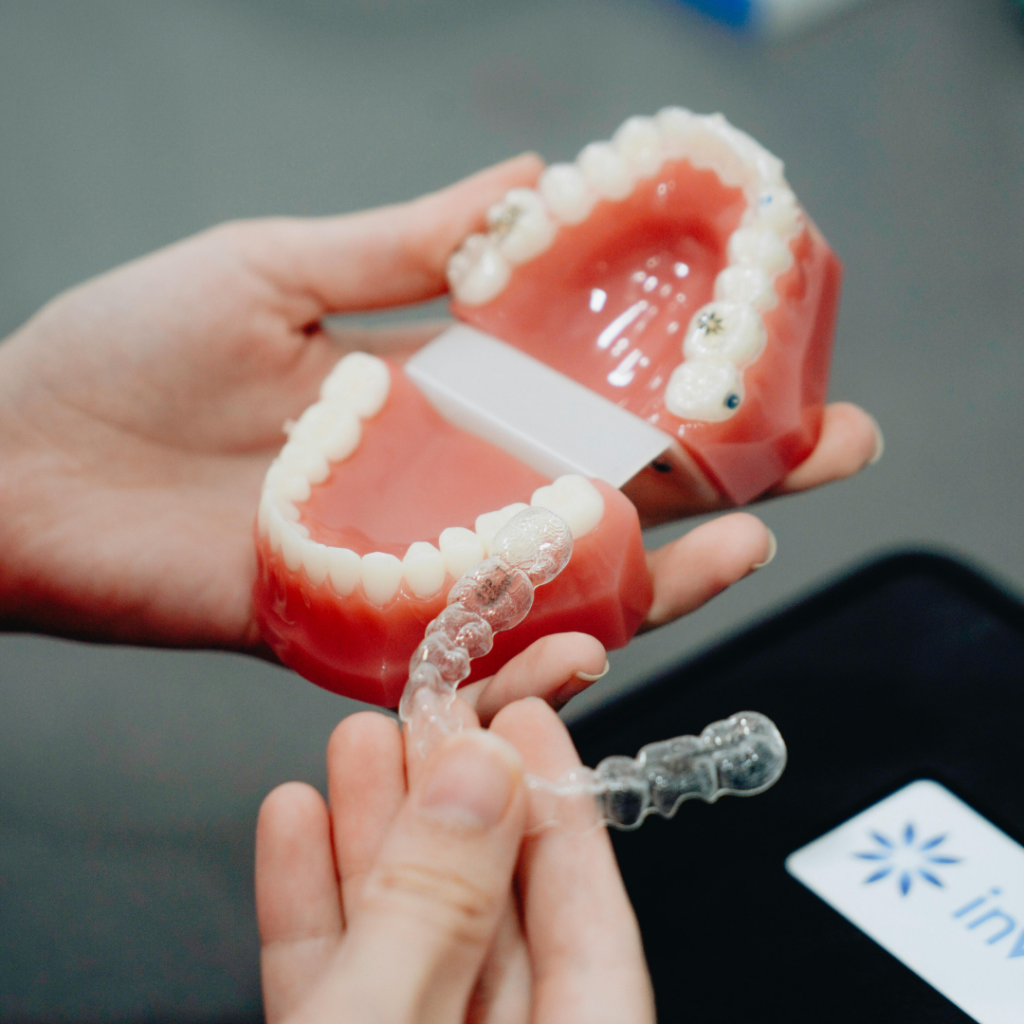
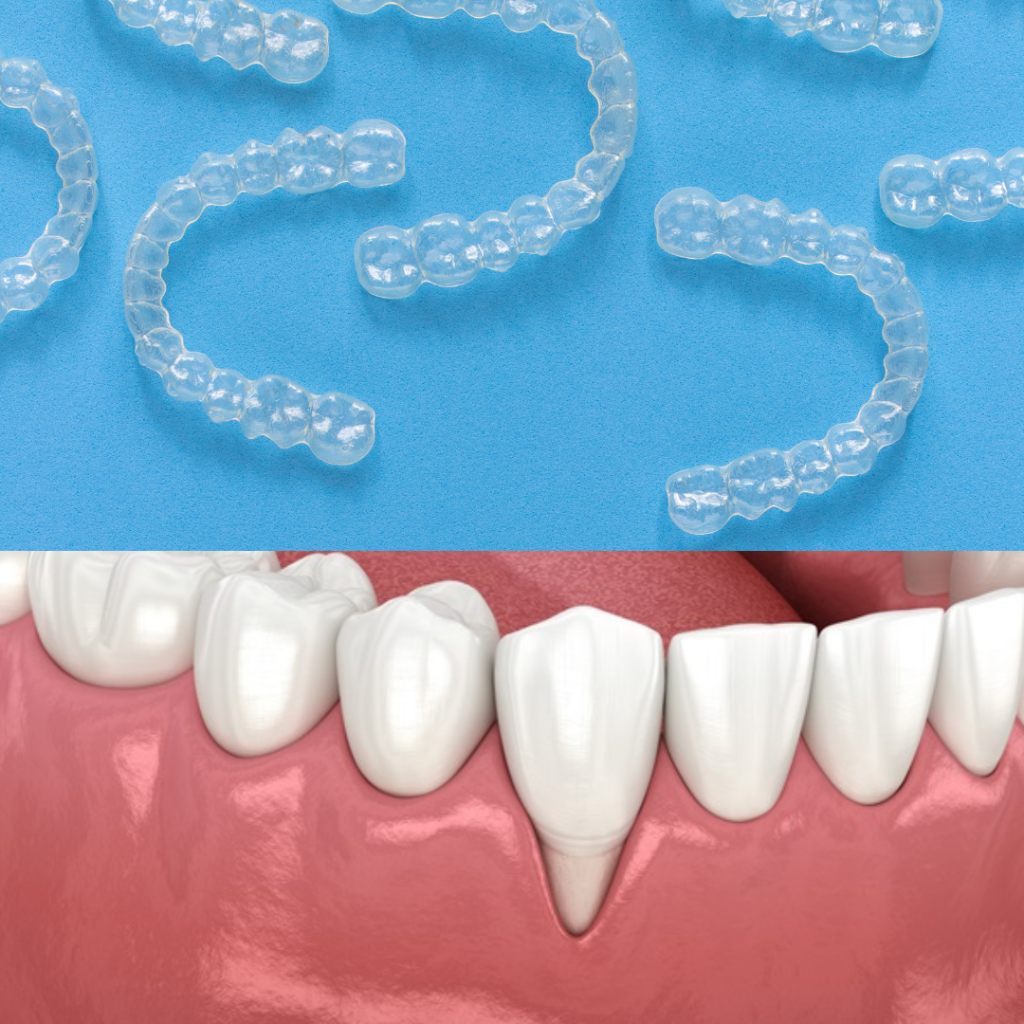
 While Invisalign and other clear aligners are great for straightening teeth, some patients—especially those with thin gums or bone—are at risk of gum recession during treatment. That’s where SFOT (Surgically Facilitated Orthodontic Therapy) comes in. At our periodontal offices in Washington, DC and Bethesda, Maryland, we specialize in using SFOT to support safe, healthy tooth movement during orthodontics. This blog post breaks down how SFOT works, why it’s important for protecting your gum and bone structure, and how it can prevent complications like gum recession after Invisalign. Whether you’re planning treatment or already in aligners, this article will help you understand when SFOT might be right for you. Thinking About Invisalign? Here’s What to Know About Gum Recession and How SFOT Can Help Invisalign is a popular option for straightening teeth. It’s discreet, convenient, and doesn’t come with the brackets and wires of traditional braces. But before you jump in, there’s something you should know: if your gums are already thin or your bone is weak, Invisalign could actually increase your risk of gum recession. (Video of Dr. Raha Yousefi) What Is Gum Recession And Why Can It Happen After Invisalign? Gum recession happens when your gum tissue pulls back or wears away, exposing more of your tooth or even the root. It’s not just a cosmetic issue—it can cause sensitivity, increase your risk for cavities, and lead to more serious dental problems if left untreated. Invisalign, like any orthodontic treatment, moves your teeth through bone. If the bone around your teeth is thin or compromised, shifting the teeth can make things worse. This is especially true for adults or people who already have some level of gum disease or tissue loss. Enter SFOT: Strengthen Before Your Straighten That’s where SFOT (Surgically Facilitated Orthodontic Therapy) comes in. SFOT is a proactive procedure done before or alongside Invisalign treatment. The goal? To reinforce the foundation of your teeth—your bone and gums—so they can safely handle the tooth movement without causing recession. Think of it like prepping the ground before planting a tree. If the soil isn’t strong enough, the roots won’t hold. SFOT strengthens that “soil” so your teeth have the support they need for healthy, stable movement. How Does SFOT Work? SFOT typically involves a minor surgical procedure that enhances the volume of gum and bone around your teeth. It may include: Bone grafting to reinforce thin or fragile bone Soft tissue grafting if your gums are especially thin Minor reshaping to create an ideal path for tooth movement The result? A healthier, more stable environment for your Invisalign to work its magic—without compromising your gum health in the process. Is SFOT Right For You? If you’re considering Invisalign and: You’ve been told you have gum recession or bone loss You’ve noticed sensitive roots or longer-looking teeth You’ve had previous orthodontic treatment that led to gum issues …you might be a good candidate for SFOT. A comprehensive periodontal evaluation can determine whether you need additional support before starting treatment. Protect Your Smile for the Long Haul Invisalign is a great tool for a straighter smile—but the health of your gums and bone should come first. With SFOT, you can get the benefits of orthodontic treatment without sacrificing your long-term gum health. Want to find out if SFOT is right for you? Schedule a consultation with our office today. Want to Learn More About SFOT? Check Out Our Videos: Play Play Play Play

Preventing Gum Recession After Invisalign with SFOT Read More »

Please select the location you’d like to visit

Washington, DC

1828 L St NW Suite 860 Washington, DC 20036

Bethesda, MD

5626 Shields Dr, Bethesda, MD 20817

Please select the location you’d like to visit

Washington, DC

1828 L St NW, Suite 860 Washington, DC 20036

Bethesda, MD

5626 Shields Drive, Bethesda, MD 20817

Leave us a Review!

(Formerly Known as District Perio)

(Formerly Known as Bethesda Dental Implant Center)

Play Video