Gum Grafting

Gum Grafting After Dental Implants

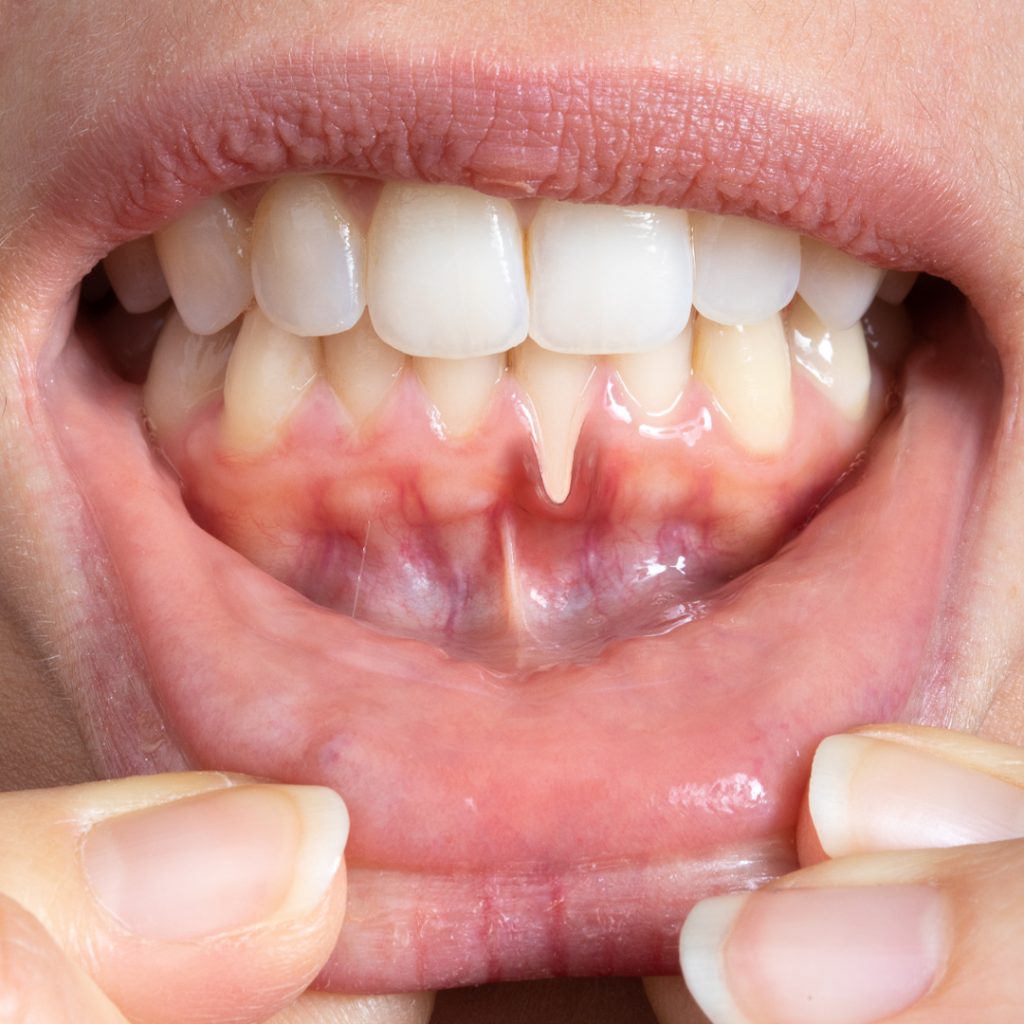
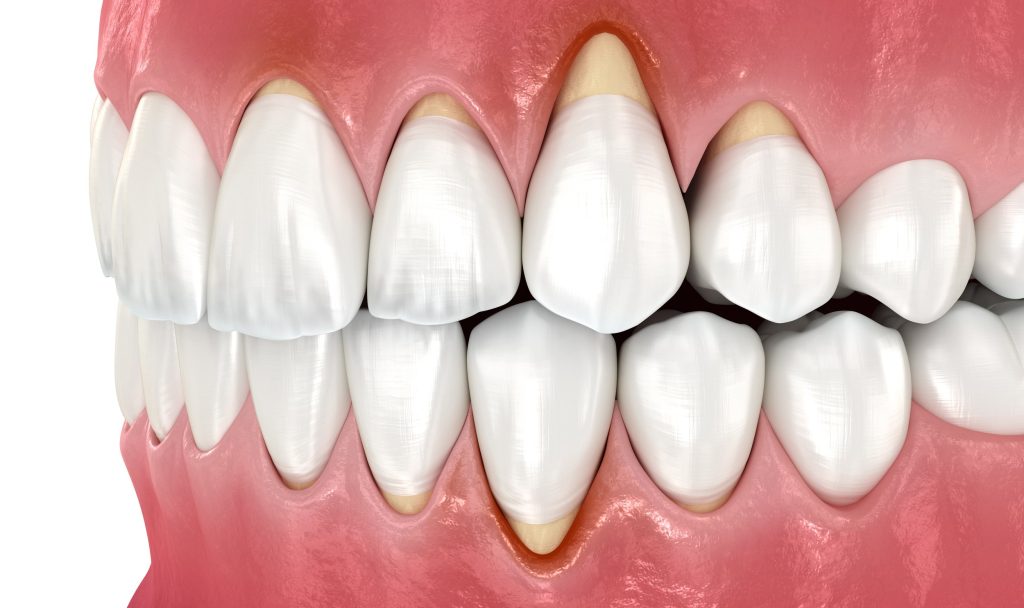
Gum Graft Around Dental Implants Dental implants are designed to be a long-term solution, but their success depends on more than just the implant itself. Healthy gum tissue around natural teeth is important. Around implants, it’s even more critical. When gum tissue is thin or weak, it can recede over time. Around implants, this recession often leads to the gray or metallic color of the implant showing through the gums. While this can be a cosmetic concern, it’s also a functional one that can affect long-term implant health. Why Gum Recession Can Happen Around Dental Implants? Gum recession around implants doesn’t happen for just one reason. It’s usually a combination of factors, including: Implant placement – The position and angle of the implant can influence how the surrounding tissue behaves over time. Gum health at the time of implant placement – Thin or insufficient gum tissue from the start increases the risk of future recession. Genetics – Some patients naturally have thinner gum tissue, making them more prone to recession regardless of oral hygiene. When the tissue thins and pulls away, the implant surface underneath can become visible. This is often when patients start noticing a grayish hue near their implant. What Is Gum Grafting For Dental Implants? Gum grafting after dental implants is performed to thicken and strengthen the tissue around the implant, creating a healthier and more stable environment. One commonly used technique is a free gingival graft, which adds a band of thick, protective gum tissue in areas where it is lacking. This type of graft helps: Reduce the risk of further gum recession Improve long-term implant stability Create tissue that is easier to keep clean Protect the bone and implant underneath Gum grafting can be performed around: A single dental implant Multiple implants Implants used in All-on-X or full-arch restorations Anywhere there is a deficiency in thick, healthy gum tissue, a free gingival graft may be an option. Patient Case: Gum Grafting Around an Implant Video: Dr. Raha Yousefi Explains a Real Patient Case This patient had dental implants placed, and over time, began to notice the implant becoming visible as the gum tissue thinned and receded. When gum tissue is naturally thin or lacks adequate thickness, it can gradually pull away from the implant, allowing the gray color or metal of the implant to show through. https://youtube.com/shorts/LmcfiLcAdpk To prevent additional recession and strengthen the area, this patient was an excellent candidate for a free gingival graft. In this case, the graft was performed around an implant that is part of an All-on-X fixed denture, where multiple implants support a full set of fixed teeth. A free gingival graft can be performed anywhere a patient lacks adequate thick, healthy gum tissue. By thickening the tissue around the implant, we create a stronger, healthier environment that helps protect the implant long term. It’s important to note that while a free gingival graft can significantly thicken the tissue above the implant, it cannot fully cover the implant itself. Dental implants are made of titanium and do not have a blood supply, which means new gum tissue cannot attach directly to the implant surface. Instead, the graft is placed in areas with a blood supply to reinforce and stabilize the surrounding tissue. After the graft, there is a healthier, thicker band of gum tissue, and although the implant is not fully covered, the overall tissue position and quality are greatly improved. What a Gum Graft Can (and Can’t) Do Around Implants Dental implants are made of titanium, which has no blood supply. Because of this: New gum tissue cannot bond directly to the implant surface The graft is placed above the implant, where there is blood supply By thickening the tissue above the implant, we can protect the area, improve stability, and maintain healthier gums long-term. Before and After: What Changes With a Free Gingival Graft Before treatment: The gum tissue was very thin The implant appeared gray beneath the gums After the free gingival graft: A strong band of thick, healthy gum tissue developed While the implant itself wasn’t fully covered, the tissue settled lower The area became more stable and better protected This thickened tissue helps prevent additional recession and supports the long-term success of the implant. Gum Grafting After Implants: A Proactive Step Gum grafting after dental implants isn’t just about appearance. It’s about protecting your investment and maintaining healthy tissue for years to come. Whether you have a single implant, multiple implants, or an All-on-X restoration. A free gingival graft can be performed wherever gum tissue is insufficient. If you’ve noticed gum recession, thinning tissue, or metal showing around your implant, a periodontal evaluation can help determine whether gum grafting is the right next step for you.

Gum Grafting After Dental Implants Read More »

What to Eat After Gum Grafting Surgery: Foods You Can & Can’t Eat

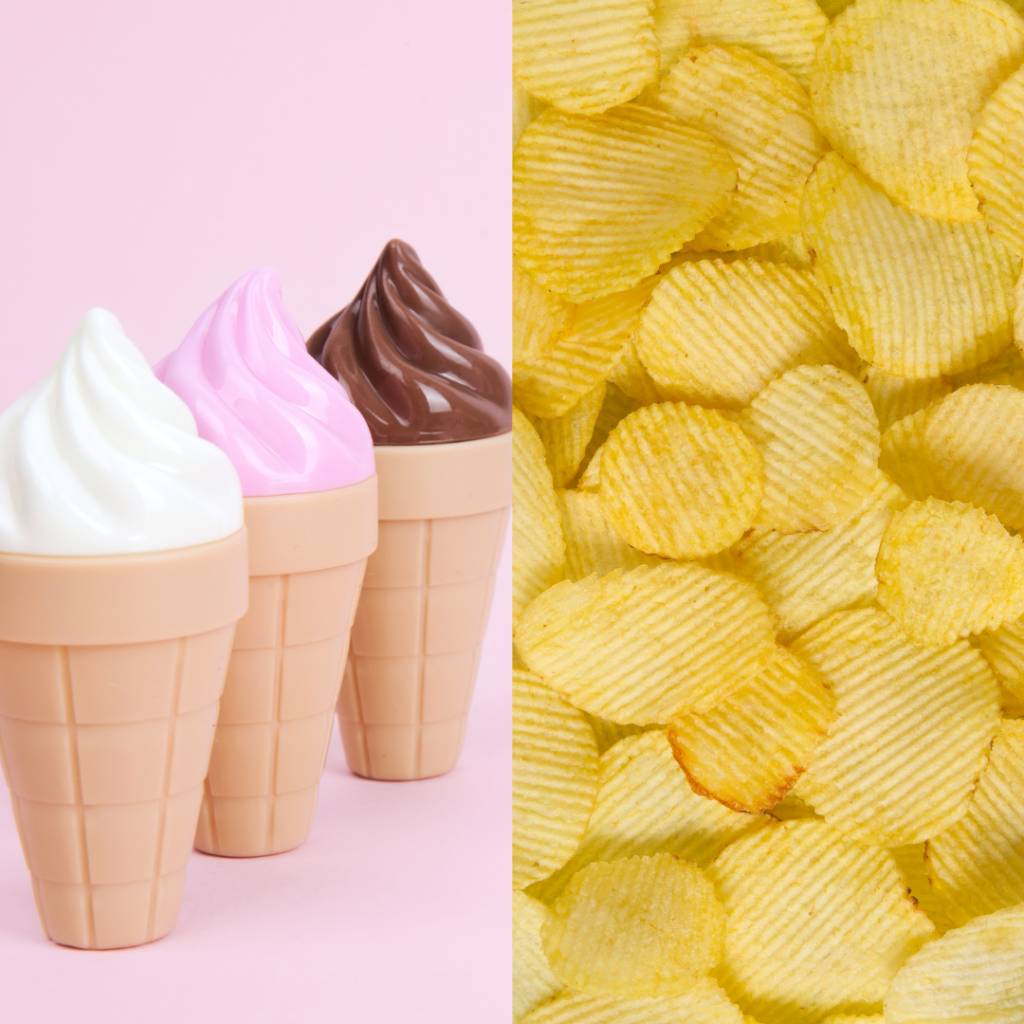
Eating the right foods after gum grafting surgery is one of the best ways to protect your healing and stay comfortable during recovery. At our periodontal offices in Washington, DC and Bethesda, Maryland, we guide patients throughout DC, Northern Virginia, and Maryland through every step of the healing process—including what to eat and what to avoid. In this blog post, you’ll find a complete list of soft, healing-friendly foods you can safely enjoy after your gum graft, plus important tips on what not to eat to avoid pain or complications. Whether you’ve just had surgery or are preparing for treatment, this guide will help you recover smoothly and confidently. Why Your Post-Surgery Diet Matters Your diet during the first two weeks can make a big difference in how comfortably—and how successfully—you heal. After a gum graft, your tissue is delicate and healing. You’ll want to stick to soft, mild foods that don’t put pressure on the graft or get lodged under the sutures. Eating the wrong things—like crunchy, spicy, or hot foods—can irritate the area, increase your risk of infection, and even interfere with the success of the procedure. https://youtube.com/shorts/02N4sNC2Ed8 (Video of Dr. Raha Yousefi) Gum Graft Diet Timeline & Approved Foods ✅ 1–3 Days After Surgery:  Stick to soft, cool, and non-irritating foods: Ice cream or sorbet (no nuts or chewy mix-ins) Smoothies (no seeds or chunks) Applesauce Mashed potatoes Scrambled eggs Yogurt (plain or without fruit chunks) Protein shakes Broths and blended soups (lukewarm or cold) 4–7 Days After Surgery:  You may begin to slowly incorporate more variety while keeping food soft: Soft pasta Cooked, soft vegetables (squash, zucchini, potatoes) Soft fruits (bananas, canned fruits, avocado) Tender cooked meats (shredded chicken, ground turkey, ground beef) Soft fish (white fish or salmon) Cottage cheese or soft cheeses 1-4 Weeks After Surgery:  As healing progresses, you can slowly return to a more normal diet, while continuing to be cautious and still avoiding anything too hard or sharp: Most cooked vegetables and fruits Soft grains and pasta Lean meats and poultry Eggs, tofu, beans Soft sandwiches (no crusty bread) Soft snacks like muffins or banana bread Foods You Should AVOID During Healing 🚫⚠️ Category Examples Why? Crunchy/Hard Chips, pretzels, popcorn, raw carrots, nuts, bagels, jerky Sharp edges can tear graft Sticky Caramels, peanut butter, gummy candy, chewing gum Excess force pulls stitches Seedy/Grainy Quinoa, sesame seeds, poppy seeds, chia, strawberries Seeds lodge under tissue Spicy/Acidic Hot sauces, spicy salsas, citrus, tomatoes Burns & could prolong bleeding Alcohol & Smoking All tobacco products and alcohol (wine, beer, etc) Dehydrates, slows healing, and affects the success of the procedure Other Food & Recovery Tips: If you can, use the opposite side of your mouth when eating.  Don’t use straws —use a spoon instead of a straw to avoid suction pressure. Prep meals ahead: cook, blend, and portion before surgery day. Brush gently around the surgical area only when advised by your provider. Stay hydrated with water throughout the day. Blend, mash, or over-cook. If a fork can’t cut it, your graft won’t like it. Rule of thumb: If you can smash it with a fork, you can eat it. Steamed carrot? Yes. Raw carrot? Not yet. Eating soft, nutrient‑rich foods for the first two weeks safeguards your graft and speeds up healing. When in doubt, choose something you can cut with a spoon—and call District Dental Surgery if you’re unsure. Ready to start your recovery on the right bite? Schedule an appointment today! Book Online

What to Eat After Gum Grafting Surgery: Foods You Can & Can’t Eat Read More »

Please select the location you’d like to visit

Washington, DC

(Formerly Known as District Perio)

1828 L St NW Suite 860 Washington, DC 20036

Bethesda, MD

(Formerly Known as Bethesda Dental Implant Center)

5626 Shields Dr, Bethesda, MD 20817

Please select the location you’d like to visit

Washington, DC

(Formerly Known as District Perio)

1828 L St NW Suite 860 Washington, DC 20036

Bethesda, MD

(Formerly Known as Bethesda Dental Implant Center)

5626 Shields Dr, Bethesda, MD 20817

Leave us a Review!

(Formerly Known as District Perio)

(Formerly Known as Bethesda Dental Implant Center)

Play Video