Can a Tongue-Tie Release Improve Sleep Apnea or Speech?
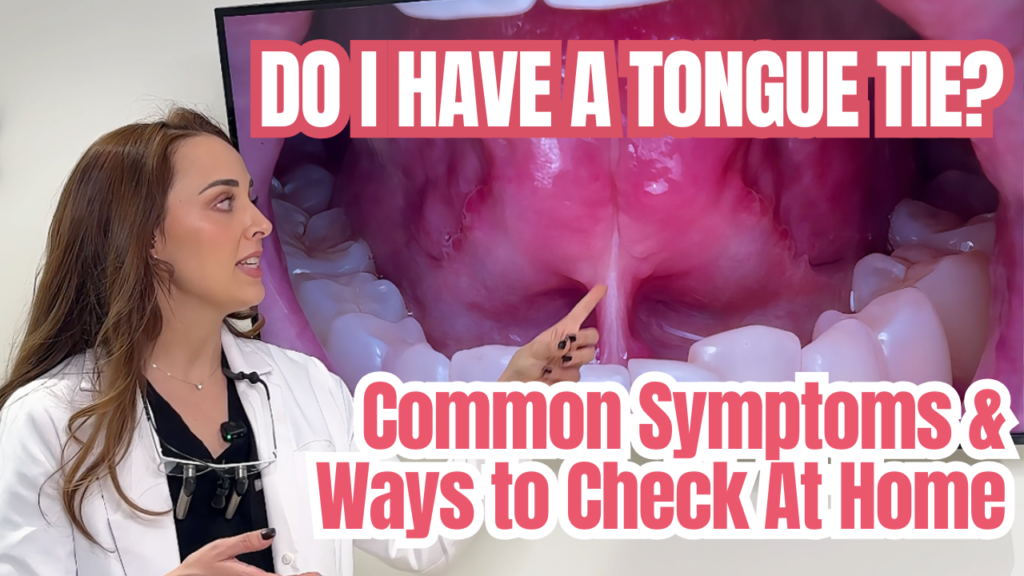
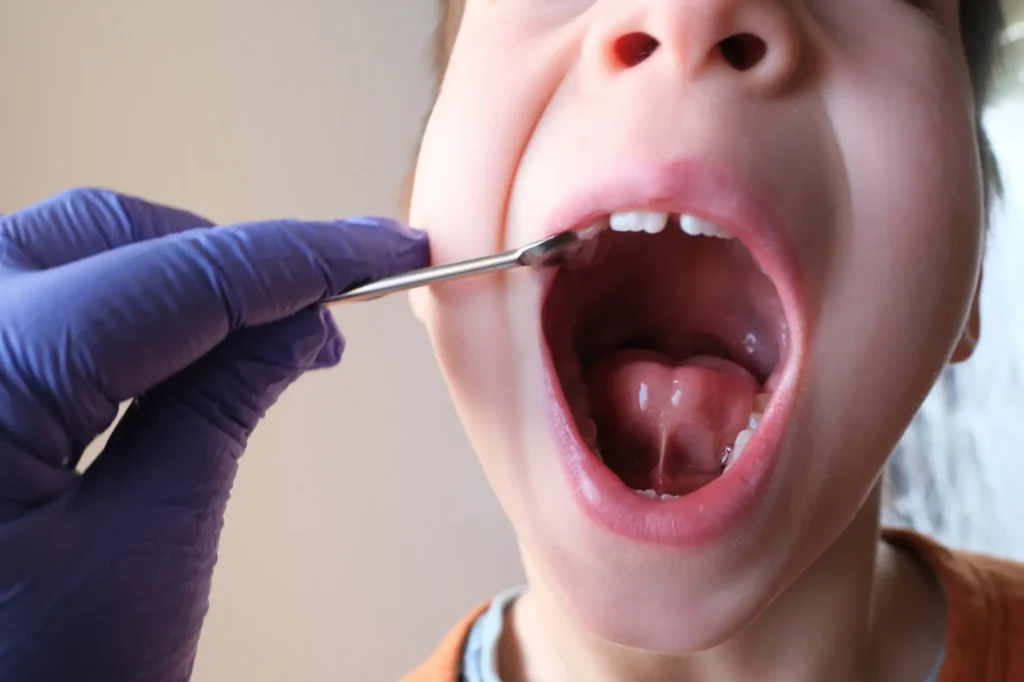
Is there something holding you back from restful sleep or clear speech? If you often find yourself struggling with disrupted breathing at night or frustrated by difficulties articulating words, the cause might not be what you expect. Could a minor anatomical restriction in your tongue, known as a tongue-tie, be the hidden culprit? The good news is that there’s a solution at hand. At District Dental Surgery – DC, our experienced team is here to help you uncover the connection between tongue-ties, sleep apnea, and speech concerns, and provide modern, effective treatments to transform your quality of life. What Is a Tongue-Tie and Why Does It Matter? A tongue-tie, or ankyloglossia, is a condition where the thin band of tissue under the tongue (called the frenulum) is too short, tight, or thick. While this may seem like a minor issue, the impact can ripple through various areas of your daily life. From infancy, tongue-ties can interfere with feeding. And as you age, they can contribute to speech difficulties, oral health issues, and even obstructed breathing patterns. For individuals with sleep apnea or chronic speech challenges, the restricted mobility caused by a tongue-tie can be a key factor, but one that’s often overlooked. That’s why evaluating and addressing this condition with thoughtful, patient-centered care is so important. How Does a Tongue-Tie Contribute to Sleep Apnea? Sleep apnea is a serious condition affecting millions of Americans. It occurs when the airway becomes partially or completely blocked during sleep, leading to pauses in breathing, fragmented sleep, and reduced oxygen levels. For some individuals, a tongue-tie may exacerbate these breathing issues by restricting the tongue’s natural movement, preventing it from resting properly in the oral cavity or contributing to airway collapse. Addressing a tongue-tie can remove this underlying restriction, potentially improving airway airflow and breathing efficiency during sleep. Can a Tongue-Tie Surgery Help with Speech Problems? Speech challenges such as difficulty pronouncing certain sounds or slurring speech can often trace back to restricted tongue mobility. When the frenulum limits effective tongue movement, forming proper sounds becomes a struggle. Those involving the tip of the tongue like “L,” “T,” “D,” or “R” sound, can be particularly difficult. For both children and adults, releasing the tongue-tie can bring noticeable improvements, allowing for clearer articulation and more confident communication. What Are the Benefits of a Tongue-Tie Release? The tongue-tie release procedure, also known as a frenectomy, is designed to enhance tongue mobility by freeing the restricted tissue. Beyond potentially addressing sleep apnea and speech concerns, here are other benefits the treatment can offer: Promotes better oral posture, which can support overall airway health Reduces oral muscle strain and associated discomforts Improves tongue functionality crucial for eating and swallowing Supports optimal oral health by making it easier to brush and floss effectively Enhances confidence and quality of life with functional improvements What to Expect During a Tongue-Tie Release Procedure At District Dental Surgery – DC, we are committed to providing a luxurious, stress-free experience that prioritizes your comfort every step of the way. The tongue-tie release procedure itself is minimally invasive and performed with advanced precision tools to ensure both effectiveness and comfort. Here’s what the process typically involves: Comprehensive Assessment: Using state-of-the-art diagnostic technology, Dr. Raha Yousefi or Dr. Lucy Johnson will evaluate your tongue mobility, oral anatomy, and overall health to ensure you’re a candidate for treatment. Local Anesthetic: A numbing agent is applied to ensure your procedure is completely pain-free. Frenulum Release: Using advanced laser instruments, we gently release the restricted frenulum to enable greater tongue mobility. Rapid Recovery: Thanks to minimally invasive techniques, downtime is minimal, and most patients experience smooth, comfortable recovery. We’ll provide detailed aftercare instructions and follow-up support to ensure excellent results. FAQs About Tongue-Tie Release and Its Impact Will the procedure hurt? Advanced methods ensure the process is virtually pain-free, with only mild post-procedure tenderness in most cases. Could a tongue-tie release cure sleep apnea? While it may improve airflow and symptoms for some individuals, it’s not a guaranteed “cure.” We may recommend combining tongue-tie treatment with other therapies or consultations for a comprehensive approach. Does this procedure work for adults? Absolutely. Adults who struggle with restricted tongue mobility can benefit just as much as children, particularly when addressing speech issues or sleep apnea risks. Why Choose District Dental Surgery – DC? From the moment you walk into our boutique practice in Washington, DC, you’ll notice the difference. At District Dental Surgery – DC, we’re not just here to support your oral health. We’re here to improve your life. Our approach fuses modern diagnostic methods, minimally invasive techniques, and a concierge-like patient experience to ensure that your care journey is as seamless as it is transformative. We understand that comfort and trust are key, particularly when addressing sensitive health concerns like sleep apnea or speech challenges. That’s why Dr. Raha Yousefi and Dr. Lucy Johnson provide personalized attention, meticulous care, and advanced solutions tailored to your needs. Your health and confidence deserve nothing less than elevated dental care. Ready to Experience Restful Nights and Clear Speech? If you’ve been struggling with sleep apnea, speech difficulties, or other frustrating symptoms linked to a tongue-tie, now is the time to take action. Our team at District Dental Surgery – DC is here to guide you through every step of the process and create the life-changing results you deserve. Call us today at (202) 393-6154 to schedule an appointment, or book online to take the first step toward an elevated care experience!
Can a Tongue-Tie Release Improve Sleep Apnea or Speech? Read More »