Blog

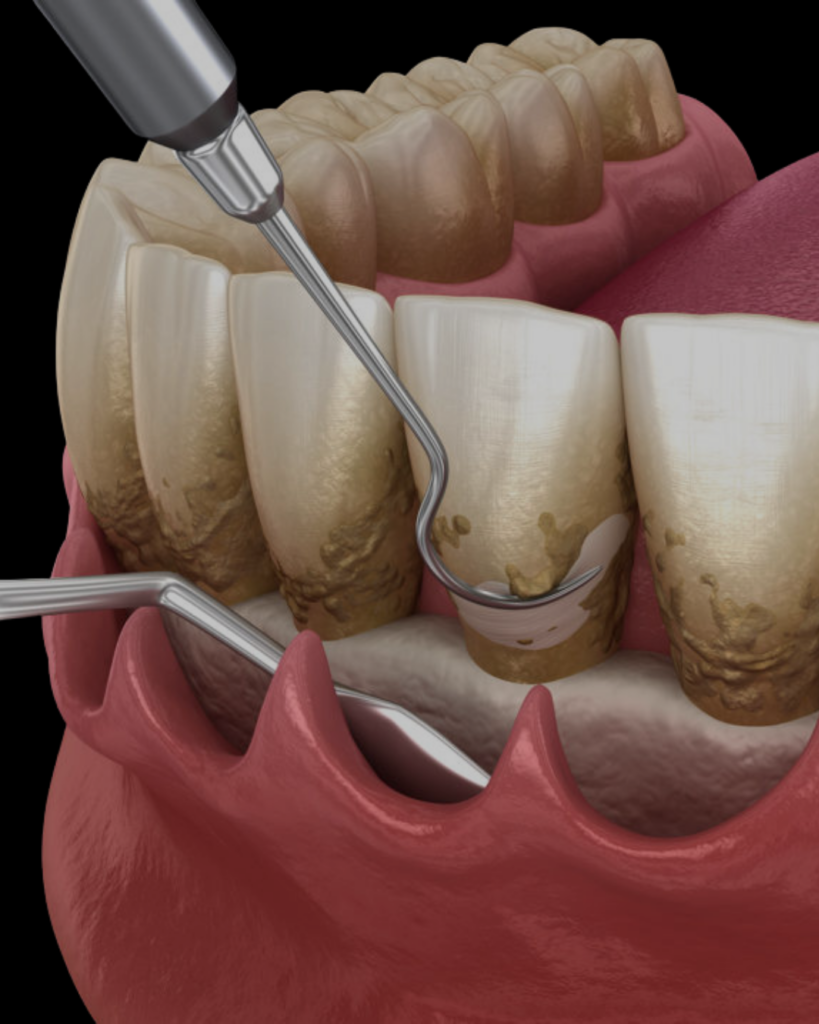
How Do I Know If I Need Osseous Surgery for Gum Disease?

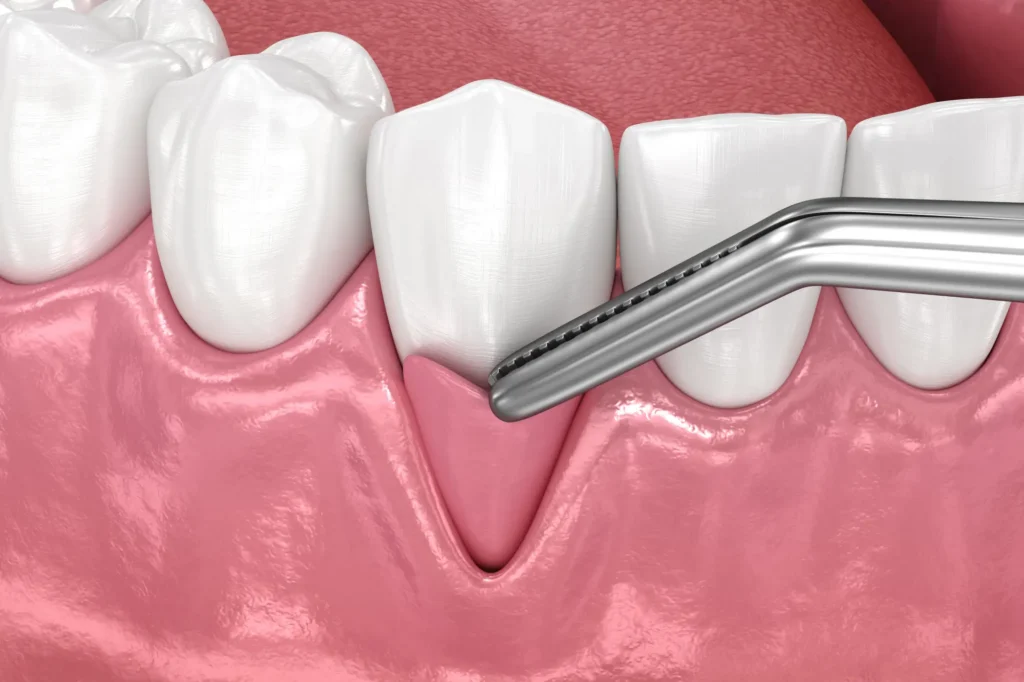
How Do I Know If I Need Osseous Surgery for Gum Disease? Struggling with gum disease can feel overwhelming, especially when it begins to impact your smile, your confidence, and even your overall health. You may wonder if there’s a way to preserve your teeth and halt damage effectively. Osseous surgery could be the precision treatment you need to restore health and vitality to your gums, but how do you know if it’s the right option for you? At District Dental Surgery in Bethesda, our commitment to state-of-the-art care and personalized treatment planning ensures you’ll receive answers, guidance, and solutions tailored to your unique needs. Understanding Gum Disease and When Intervention is Necessary Gum disease is not just a mild inconvenience. It’s a progressive oral condition that won’t go away on its own, and can lead to significant tooth and bone loss if left untreated. At its core, gum disease (or periodontal disease) is caused by plaque and bacteria buildup around the gums, which results in inflammation and infection.  While early stages, like gingivitis, may only present with red or swollen gums, more advanced cases, referred to as periodontitis, can lead to pockets forming between your teeth and gums, which collect even more bacteria and make the condition worse. This is where osseous surgery becomes a potential option. The goal of osseous surgery is precise and transformative. This treatment eliminates deep pockets caused by gum disease, smooth damaged bone, and creates a clean base for gum tissue to reattach securely. Through this surgical approach, patients can regain a healthier smile and stop gum disease in its tracks before it causes further complications. Signs You May Need Osseous Surgery If you’re asking yourself whether osseous surgery might be a necessary step in your treatment plan, here are some key signs and symptoms that may point to advanced gum disease: Deep pockets around your teeth that your dentist has flagged as problematic. Persistent bleeding gums, even after brushing or flossing regularly. Loose teeth, or the sensation of shifting teeth positions. Swollen, painful, or receding gums that expose the roots of your teeth. Bone loss visible on dental X-rays, often confirming periodontitis severity. At District Dental Surgery, Dr. Raha Yousefi, Dr. Roy Eskow, and Dr. Syeda Mahbub have extensive experience in diagnosing gum disease and determining the best next steps for each patient. Using advanced diagnostic tools, we can accurately assess the health of your gums and provide clarity on whether osseous surgery is necessary in your case. The Benefits of Osseous Surgery: Restoring Your Oral Health Osseous surgery isn’t just about stopping gum disease. It’s about reclaiming your oral health and elevating your confidence in your smile. Some of the most important benefits include: Long-term protection: Partnering with high-caliber care ensures your gum health is preserved for years to come. Improved aesthetics: A firmer, healthier gumline enhances the overall appearance of your teeth. Comfort and convenience during recovery: Our minimally invasive techniques and advanced technology reduce discomfort and speed healing. At our Bethesda location, we focus on higher-quality outcomes with a concierge-like touch. Treatments are crafted to fit your lifestyle and designed for seamless recovery, so you can focus less on your procedure and more on enjoying the results. What to Expect During Osseous Surgery at District Dental Surgery We understand that considering any kind of dental surgery can feel intimidating, which is why our team’s commitment to patient comfort and clear communication sets us apart. From the moment you schedule your consultation, we prioritize creating a smooth, anxiety-free experience. Here’s an overview of what to expect: Comprehensive Evaluation: Using cutting-edge imaging, our team will evaluate the extent of your gum disease and ensure osseous surgery is the best solution for your needs. Customized Treatment Plan: Every procedure is tailored to you, considering your health, goals, and convenience. This ensures you’ll feel confident moving forward. Precision Procedure: During osseous surgery, we’ll carefully clean bacterial buildup, reshape damaged bone as needed, and reposition the gum tissue for a healthier fit. Post-Treatment Guidance: Our experts will personally guide you through aftercare, providing advice on diet, hygiene, and follow-up visits to maintain your results. Our advanced techniques allow for less invasive care, which translates to a faster recovery and fewer interruptions to your routine. Whether stopping by during your lunch break or seeking care that works against your busy schedule, our team ensures you always feel prioritized. Common Questions About Osseous Surgery If you’re uncertain whether osseous surgery is right for you, here are answers to some frequently asked questions: Is osseous surgery painful? At District Dental Surgery, we prioritize your comfort and use local anesthesia along with other methods to ensure a minimally invasive experience. Many patients report minimal pain during and after the procedure. How long does recovery take? Most patients can resume their daily routines within a few days, with full recovery taking place over a few weeks. Our team will provide clear aftercare instructions to support smooth healing every step of the way. What are the risks? Osseous surgery is a proven and safe procedure when performed by professionals experienced in advanced periodontics. Risks are minimal, and we take every precaution to mitigate them through the use of modern technology and personalized aftercare plans. Elevate Your Oral Health Today Your smile deserves precision care and a team committed to crafting a seamless, patient-first experience. At District Dental Surgery in Bethesda, we deliver concierge-like care backed by advanced periodontal expertise to restore your oral health and leave you feeling confident in your results. If you’re wondering whether osseous surgery is right for you, let our experts provide the answers and guidance you need to take the next step. Contact our office at (301) 493-6200 or book your appointment online today. A healthier, brighter smile awaits.

How Do I Know If I Need Osseous Surgery for Gum Disease? Read More »
What Is a Distal Wedge Procedure and Why Is It Necessary?

What Is a Distal Wedge Procedure and Why Is It Necessary? If persistent gum discomfort or difficulty maintaining oral hygiene has left you searching for answers, you’re not alone. For patients dealing with periodontal concerns, addressing these underlying issues requires advanced, precision-focused care designed to restore health and comfort. One such innovative solution is known as a “distal wedge procedure.” This is an effective treatment for improving gum health and managing specific periodontal conditions. Here’s everything you need to know about this procedure and how it can elevate your oral health journey. Understanding the Distal Wedge Procedure The distal wedge procedure is a periodontal surgical technique aimed at reducing excess gum tissue to improve oral hygiene and gingival health. Often recommended for patients with gum disease or deep pockets of inflammation around the molars, this procedure targets hard-to-reach areas, particularly behind the back teeth (referred to as the distal surfaces). The presence of deep periodontal pockets can make proper cleaning nearly impossible, allowing bacteria to thrive and potentially leading to further gum disease, bone loss, or discomfort. The distal wedge procedure removes excess tissue, decreases pocket depth, and facilitates better cleaning, both at home and during professional dental visits. Why Is the Distal Wedge Procedure Necessary? When gum health begins to deteriorate due to periodontal disease, the resulting inflammation and deep pockets can cause significant challenges for many patients. Some of the reasons this treatment may be necessary include: Restoring gum health: Deep pockets harbor bacteria that can exacerbate gum disease. Decreasing their depth helps halt disease progression. Improving oral hygiene: Reduced pocket depth enables both patients and dental professionals to clean teeth more effectively. Preventing further complications: Left untreated, gum disease can lead to bone loss and may jeopardize your overall oral health. At District Dental Surgery – DC, our team, including periodontal experts Dr. Raha Yousefi and Dr. Lucy Johnson, understands the importance of addressing these conditions with precision and care, ensuring each procedure supports long-term health and comfort. What to Expect During the Procedure The distal wedge procedure is performed under local anesthesia, ensuring your comfort throughout. Using advanced techniques and state-of-the-art technology, our team removes a small wedge of excess tissue from behind the molars. This is done with precision to minimize discomfort, and the remaining tissue is repositioned and sutured securely to eliminate periodontal pockets and keep the teeth healthy, strong, and secure. Is Recovery from a Distal Wedge Procedure Painful? Our practice emphasizes minimally invasive methods, prioritizing a streamlined recovery process. While some mild tenderness or swelling is normal, most patients find the discomfort manageable with over-the-counter pain relievers and post-operative care guidelines provided by our team. We also schedule follow-up appointments to monitor your progress and ensure optimal healing. Benefits of the Distal Wedge Procedure Patients who undergo a distal wedge procedure can expect significant, tangible benefits, including: Enhanced oral hygiene: With reduced pocket depth, brushing and flossing become much easier, helping to maintain healthy gums long-term. Less pain and tenderness: Swollen and inflamed gums can cause significant pain that worsens over time. With distal wedge surgery, you can dramatically reduce the risk of future discomfort and sensitivity. Improved gum health: Removing infected tissue and reducing spaces for bacteria to thrive promotes better overall gum health. Preservation of natural teeth: By addressing gum disease early, you lower the risk of tooth loss due to advanced periodontal damage. At our Washington, DC office, we combine leading periodontal techniques with a concierge-like approach to patient care. This ensures every individual receives an elevated treatment experience, from their first consultation through recovery. Commonly Asked Questions About the Distal Wedge Procedure Am I a Candidate for Distal Wedge Surgery? Effective for patients with periodontal pockets around the back molars, the distal wedge procedure may be recommended if non-surgical methods like deep cleanings haven’t resolved the condition. Our team will evaluate your specific situation during a personalized consultation to determine the best course of action. How Long Does the Procedure Take? In most cases, the procedure can be completed in under an hour. However, treatment time may vary based on the complexity of your case. Our team will provide details tailored to your individual needs during your consultation. Will I Need Additional Periodontal Treatments Afterward? While the distal wedge procedure is highly effective at reducing pocket depth, maintaining periodontal health usually requires ongoing care. Routine periodontal cleanings and proactive at-home practices are essential for preserving results and preventing recurrence. Why Choose District Dental Surgery – DC for Periodontal Care? When it comes to advanced periodontal treatments, trust matters. At District Dental Surgery – DC, we’ve created a practice environment uniquely designed to support your needs and exceed expectations: Personalized care: Every treatment plan begins with an in-depth consultation where we answer your questions, address concerns, and ensure you feel confident moving forward. Modern expertise: Dr. Raha Yousefi and Dr. Lucy Johnson bring years of experience and focus on evidence-based techniques that yield long-term success. Comfort-first approach: From the initial consultation to recovery, we prioritize your comfort at every stage, working to create an experience free of stress and anxiety. Choosing our Washington, DC team means you’ll benefit from a premium dental care experience that’s backed by exceptional expertise and a commitment to your overall health and well-being. Take the Next Step Toward Healthier Gums When gum health begins to impact your daily life, taking action can make all the difference. The distal wedge procedure is a proven solution for addressing advanced periodontal concerns and preventing further damage, but the first step is scheduling your consultation. Contact our team at District Dental Surgery – DC by calling (202) 393-6154. Discover how we combine advanced care with a boutique-like patient experience and set the gold standard for periodontal care in Washington, DC.

What Is a Distal Wedge Procedure and Why Is It Necessary? Read More »

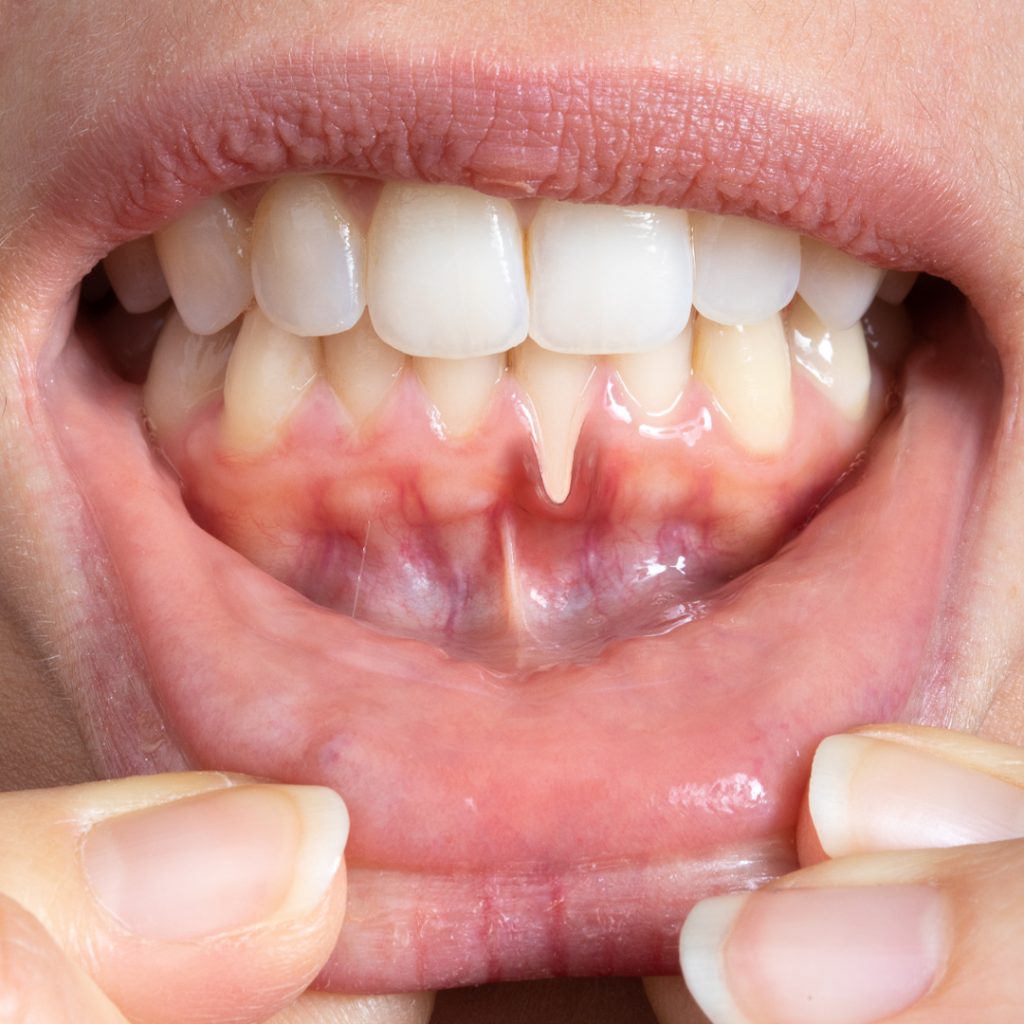
Treating Receding Gums in Bethesda: The Benefits of Gum Grafting

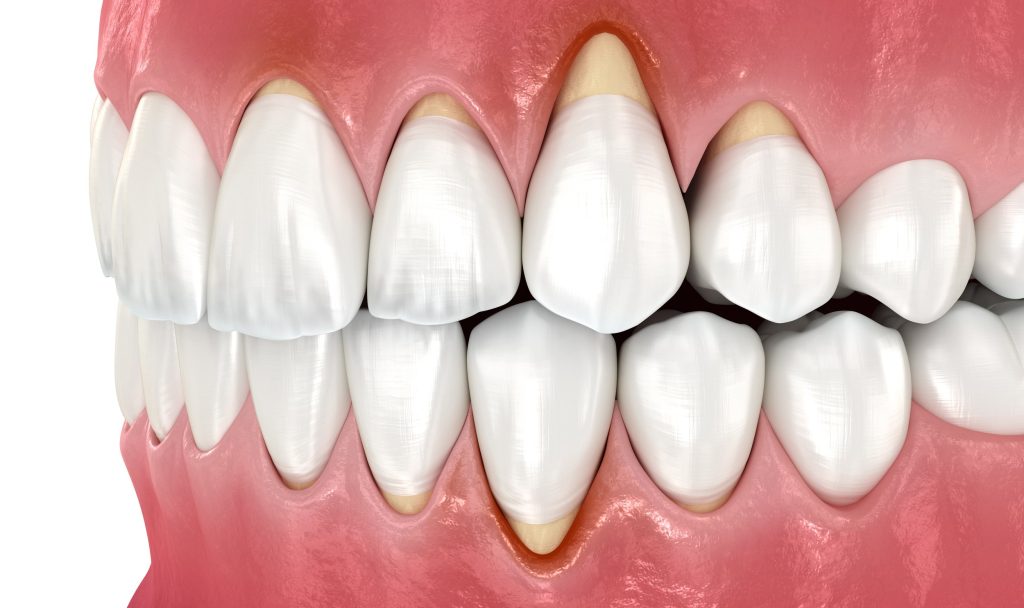
Treating Receding Gums: The Benefits of Gum Grafting Do your gums appear to be pulling away from your teeth, making them look longer or even more sensitive? You’re not alone. Gum recession is a common concern, leaving many people in Bethesda searching for effective, long-lasting solutions. At District Dental Surgery, we understand the discomfort and anxiety that often accompany this condition. That’s why our experienced team, led by Dr. Raha Yousefi, Dr. Roy Eskow, and Dr. Syeda Mahbub, offers transformative gum grafting treatments designed to restore not only your oral health but also your confidence and peace of mind. Understanding Gum Recession: Why It Matters Gum recession happens when the gum tissue surrounding your teeth gradually wears away, exposing the tooth roots. While this condition may develop slowly, its effects can be serious if left untreated. Receding gums can lead to increased tooth sensitivity, make your smile more vulnerable to decay, and even result in tooth loss if not addressed promptly. Beyond the health risks, many people feel self-conscious about how gum recession affects their smile. At District Dental Surgery, we often hear patients share their concerns about discomfort, aesthetics, and the other long-term consequences of untreated gum recession. Thankfully, gum grafting offers a highly effective solution that not only halts further damage but also provides noticeable cosmetic improvements. What Is Gum Grafting? Gum grafting is an advanced dental procedure that involves the precise placement of gum tissue, either from your own mouth or a donor source, to cover exposed tooth roots. This modern approach not only restores gum coverage but also strengthens the overall health and stability of your teeth. It’s a minimally invasive procedure specially designed to improve both function and aesthetics. Our dedicated team at District Dental Surgery uses state-of-the-art technology and refined techniques to ensure your gum grafting experience is as comfortable and seamless as possible. From your first consultation to your final follow-up, we focus on delivering personalized care that addresses your unique needs. The Benefits of Gum Grafting When it comes to treating receding gums, gum grafting offers a wide range of benefits that extend beyond just oral health: Protects tooth roots: Covering exposed roots prevents sensitivity and lowers the risk of decay, saving your teeth from potential damage. Enhances smile aesthetics: Restored gums create a naturally balanced and youthful appearance, boosting your confidence every time you smile. Stops further gum recession: Gum grafting stabilizes the gumline, halting the progression of recession and preventing more extensive dental issues. Improves overall oral health: Healthy gums are the foundation of a healthy smile, supporting better function, longevity, and wellness. Minimally Invasive Techniques at District Dental Surgery Your comfort matters, and that’s why we use advanced, minimally invasive options to make gum grafting faster, easier, and less stressful than ever before. Our cutting-edge diagnostic tools allow for pinpoint accuracy, while innovative grafting methods mean shorter procedures and smoother recoveries. Patients frequently praise our gentle, concierge-style care and the focus we place on creating a calm, reassuring environment. With dedicated aftercare guidance and follow-ups tailored to your needs, returning to your daily life is effortless and worry-free. What to Expect During a Gum Grafting Procedure At District Dental Surgery, every gum grafting journey begins with a detailed consultation. During this visit, our experts thoroughly assess your gum health, discuss treatment options, and answer any questions you may have. Once your treatment plan is finalized, here’s what you can typically expect: Preparation: A local anesthetic ensures you’re completely comfortable during the procedure. Graft placement: Using precise techniques, we place the grafted tissue onto your gumline, securing it for optimal healing and integration. Recovery: Post-procedure instructions and follow-ups ensure a smooth recovery and predictable results. Our team stays by your side every step of the way, so you’re never left wondering about the next part of the process. Frequently Asked Questions About Gum Grafting Is gum grafting painful? One of the most common concerns patients have is pain. At District Dental Surgery, we prioritize your comfort using advanced anesthesia and techniques. Most patients describe the process as far less uncomfortable than they anticipated, with manageable recovery times. How long does the procedure take? Depending on the complexity and the number of teeth involved, gum grafting can typically be completed in one to two hours. Our streamlined approach ensures both efficiency and precision. Will insurance cover my procedure? Certain plans may cover gum grafting for medical purposes. Our concierge-style team is happy to assist you with insurance inquiries to make your experience as stress-free as possible. Take the Next Step Toward a Healthier Smile At District Dental Surgery, we believe receiving periodontal care shouldn’t feel overwhelming. That’s why we go above and beyond to create a premium experience tailored entirely to you. With a reputation for clinical excellence and a warm, compassionate approach, our practice stands out as a trusted destination for gum grafting and comprehensive periodontal care. Concerned about receding gums? Don’t wait until it affects your health further. Schedule your consultation today with our experienced team at District Dental Surgery in Bethesda, MD. Call (301) 493-6200 now or book your appointment online to take the first step toward a healthier, more confident smile.

Treating Receding Gums in Bethesda: The Benefits of Gum Grafting Read More »

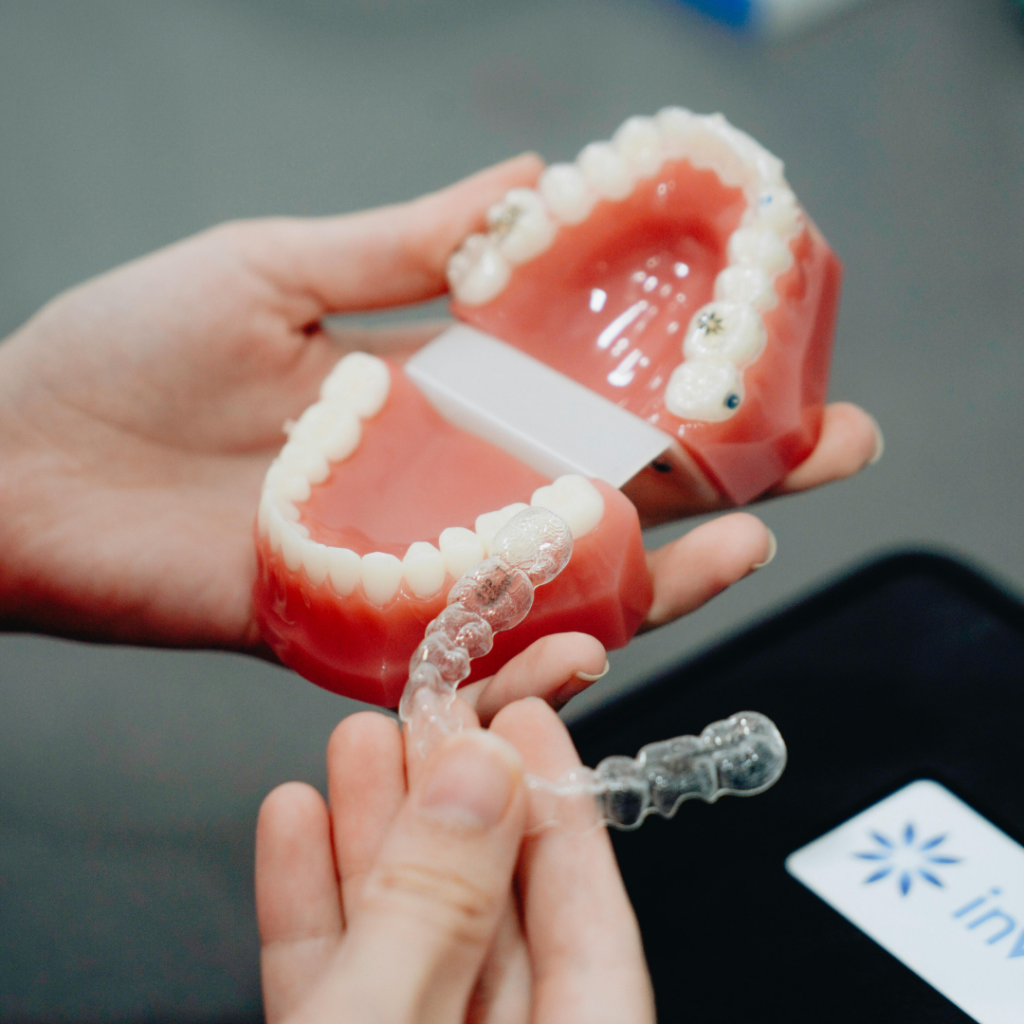
How Can SFOT Cut My Invisalign Treatment Time in Half?

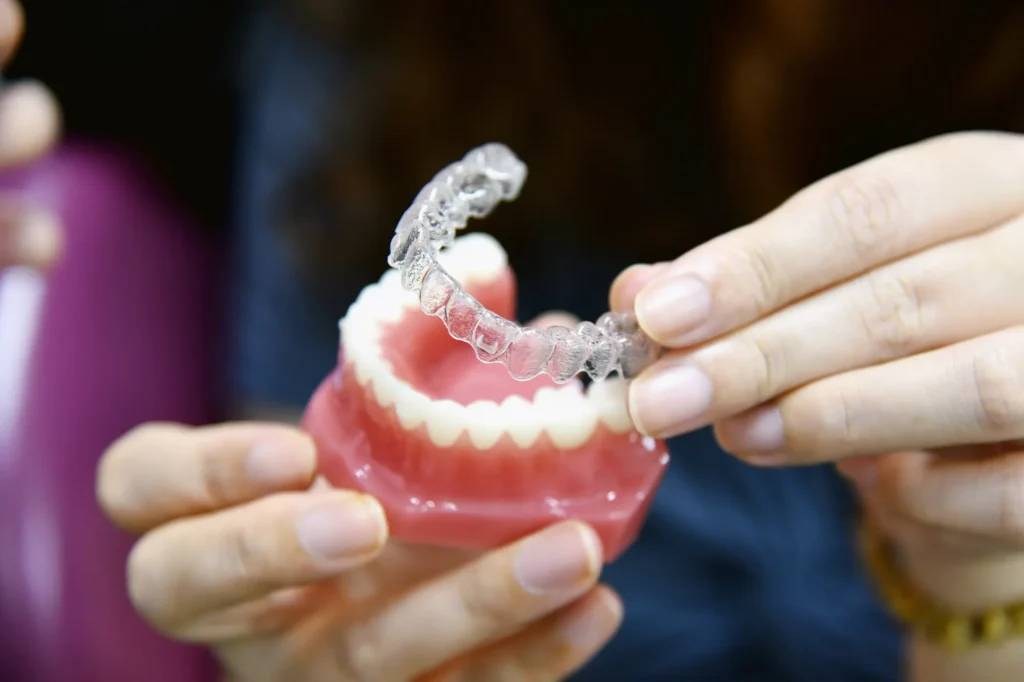
How Can SFOT Cut My Invisalign Treatment Time in Half? Picture this: you’ve spent years thinking about straightening your smile, but the idea of lengthy Invisalign treatment leaves you wondering if it’s worth the wait. What if there were a way to achieve the smile you’ve always dreamed of in less time, and with precision and care tailored to meet your unique needs? Subtle but transformative changes are closer than ever, thanks to Surgically Facilitated Orthodontic Therapy (SFOT). At District Dental Surgery – DC, we combine advanced technology, expert care, and a luxury patient experience to help you achieve a stunning smile faster than you thought possible. What Is SFOT and How Does It Work? Surgically Facilitated Orthodontic Therapy, or SFOT, is a modern technique designed to expedite orthodontic treatment, such as Invisalign, by addressing the underlying structure of your jaw and bones. During this minimally invasive procedure, the periodontal tissue surrounding your teeth is carefully altered to enhance the bone’s ability to remodel faster. This accelerated remodeling process allows for faster tooth movement and significantly reduces the overall treatment time. The process begins with advanced 3D imaging technology to assess your jawbone health and structure. From there, a personalized treatment plan is created to ensure optimal results tailored specifically for your oral anatomy. The procedure itself is precision-focused, minimally invasive, and often completed in one visit at our Washington, DC office. Why Does SFOT Matter for Invisalign Patients? Orthodontic treatment, particularly for adults, can feel like a daunting time commitment. Traditional methods rely solely on the natural movement of teeth within their existing bone structure, which can take months or even years. SFOT changes the game by accelerating the biological process responsible for tooth movement, helping you achieve results approximately two times faster. For Invisalign patients, this approach offers immense benefits: Shortened Treatment Time: SFOT can cut your Invisalign timeline by up to 50%, allowing you to reach your smile goals faster. Improved Comfort: Many patients report less discomfort during Invisalign adjustments with SFOT-enhanced treatment. Enhanced Precision: By addressing the bone structure directly, SFOT optimizes tooth alignment for predictable, long-lasting results. Supports Complex Cases: SFOT can help patients with more challenging orthodontic needs achieve outcomes not possible with Invisalign alone. Whether you’re preparing for a major life event or just eager to enjoy the confidence of a radiant smile, SFOT enables you to see results sooner without compromising quality or comfort. What to Expect During the SFOT Process At District Dental Surgery – DC, your SFOT journey is designed to be smooth, efficient, and as stress-free as possible. From your initial consultation to post-procedure recovery, we focus on delivering a concierge-level experience tailored to fit your busy lifestyle. Comprehensive Evaluation Your journey begins with an in-depth consultation with Dr. Raha Yousefi or Dr. Lucy Johnson. Using state-of-the-art imaging technology, we’ll map out your jaw structure, assess your periodontal health, and design a highly personalized plan to complement your Invisalign treatment. Precision-Driven Procedure The SFOT procedure involves modifying the alveolar bone to allow for faster, more efficient tooth movement. With our advanced minimally invasive techniques, the procedure is gentle, reducing downtime and enhancing your comfort. Step 3: Coordinated Orthodontic Care Once your SFOT treatment is complete, your Invisalign aligners will work in tandem with the surgical results to accelerate progress. Throughout the process, you’ll receive ongoing support and adjustments to ensure your new smile develops beautifully. FAQs About SFOT and Invisalign Who Is a Candidate for SFOT? SFOT is ideal for Invisalign patients who are eager to shorten their treatment time or have complex orthodontic challenges. Our team will determine your candidacy during a personalized consultation. Is the Procedure Painful? Thanks to our focus on minimally invasive techniques and advanced technology, discomfort is generally minimal. Most patients feel back to normal within just a few days. How Much Time Will I Save? On average, SFOT can reduce your Invisalign treatment time by up to half, delivering faster results without sacrificing quality or precision. Does SFOT Offer Long-Term Benefits? Yes! By enhancing the underlying bone structure, SFOT not only accelerates treatment but also supports long-lasting, stable outcomes for your Invisalign smile. Why Choose District Dental Surgery – DC for SFOT? At District Dental Surgery – DC, we understand that seeking advanced care, like SFOT, requires more than just expertise. Your confidence and comfort are our top priorities. With a focus on luxury care, we’ve transformed periodontal surgery into a boutique experience that blends cutting-edge technology with personalized attention. Here’s what sets us apart: Concierge-Level Care: From start to finish, your journey with us is designed to be seamless, comfortable, and fully tailored to your needs. Advanced Technology: We utilize state-of-the-art imaging and minimally invasive techniques for the best possible outcomes. World-Class Expertise: Dr. Raha Yousefi and Dr. Lucy Johnson bring extensive experience and a patient-centered approach to every treatment. Convenient Locations: With offices in both Washington, DC, and Bethesda, MD, we make accessing top-tier care easy and stress-free. Our commitment to excellence doesn’t end at your procedure. We provide ongoing support, detailed post-op instructions, and proactive follow-up to ensure you enjoy a streamlined, comfortable recovery and stunning results. Transform Your Smile Faster with SFOT If you’ve been waiting for the perfect moment to start Invisalign treatment, SFOT is just what you need. It offers faster results, enhanced comfort, and a patient journey that’s designed to exceed all of your expectations. Don’t settle for less when transforming your smile, with District Dental Surgery – DC, you can achieve world-class results in a boutique, luxury setting. Ready to learn more? Contact District Dental Surgery – DC today at (202) 393-6154 to schedule your consultation. Your dream smile is closer than you think.

How Can SFOT Cut My Invisalign Treatment Time in Half? Read More »

Gum Grafting After Dental Implants

Gum Graft Around Dental Implants Dental implants are designed to be a long-term solution, but their success depends on more than just the implant itself. Healthy gum tissue around natural teeth is important. Around implants, it’s even more critical. When gum tissue is thin or weak, it can recede over time. Around implants, this recession often leads to the gray or metallic color of the implant showing through the gums. While this can be a cosmetic concern, it’s also a functional one that can affect long-term implant health. Why Gum Recession Can Happen Around Dental Implants? Gum recession around implants doesn’t happen for just one reason. It’s usually a combination of factors, including: Implant placement – The position and angle of the implant can influence how the surrounding tissue behaves over time. Gum health at the time of implant placement – Thin or insufficient gum tissue from the start increases the risk of future recession. Genetics – Some patients naturally have thinner gum tissue, making them more prone to recession regardless of oral hygiene. When the tissue thins and pulls away, the implant surface underneath can become visible. This is often when patients start noticing a grayish hue near their implant. What Is Gum Grafting For Dental Implants? Gum grafting after dental implants is performed to thicken and strengthen the tissue around the implant, creating a healthier and more stable environment. One commonly used technique is a free gingival graft, which adds a band of thick, protective gum tissue in areas where it is lacking. This type of graft helps: Reduce the risk of further gum recession Improve long-term implant stability Create tissue that is easier to keep clean Protect the bone and implant underneath Gum grafting can be performed around: A single dental implant Multiple implants Implants used in All-on-X or full-arch restorations Anywhere there is a deficiency in thick, healthy gum tissue, a free gingival graft may be an option. Patient Case: Gum Grafting Around an Implant Video: Dr. Raha Yousefi Explains a Real Patient Case This patient had dental implants placed, and over time, began to notice the implant becoming visible as the gum tissue thinned and receded. When gum tissue is naturally thin or lacks adequate thickness, it can gradually pull away from the implant, allowing the gray color or metal of the implant to show through. https://youtube.com/shorts/LmcfiLcAdpk To prevent additional recession and strengthen the area, this patient was an excellent candidate for a free gingival graft. In this case, the graft was performed around an implant that is part of an All-on-X fixed denture, where multiple implants support a full set of fixed teeth. A free gingival graft can be performed anywhere a patient lacks adequate thick, healthy gum tissue. By thickening the tissue around the implant, we create a stronger, healthier environment that helps protect the implant long term. It’s important to note that while a free gingival graft can significantly thicken the tissue above the implant, it cannot fully cover the implant itself. Dental implants are made of titanium and do not have a blood supply, which means new gum tissue cannot attach directly to the implant surface. Instead, the graft is placed in areas with a blood supply to reinforce and stabilize the surrounding tissue. After the graft, there is a healthier, thicker band of gum tissue, and although the implant is not fully covered, the overall tissue position and quality are greatly improved. What a Gum Graft Can (and Can’t) Do Around Implants Dental implants are made of titanium, which has no blood supply. Because of this: New gum tissue cannot bond directly to the implant surface The graft is placed above the implant, where there is blood supply By thickening the tissue above the implant, we can protect the area, improve stability, and maintain healthier gums long-term. Before and After: What Changes With a Free Gingival Graft Before treatment: The gum tissue was very thin The implant appeared gray beneath the gums After the free gingival graft: A strong band of thick, healthy gum tissue developed While the implant itself wasn’t fully covered, the tissue settled lower The area became more stable and better protected This thickened tissue helps prevent additional recession and supports the long-term success of the implant. Gum Grafting After Implants: A Proactive Step Gum grafting after dental implants isn’t just about appearance. It’s about protecting your investment and maintaining healthy tissue for years to come. Whether you have a single implant, multiple implants, or an All-on-X restoration. A free gingival graft can be performed wherever gum tissue is insufficient. If you’ve noticed gum recession, thinning tissue, or metal showing around your implant, a periodontal evaluation can help determine whether gum grafting is the right next step for you.

Gum Grafting After Dental Implants Read More »

How SFOT Cut This Patient’s Invisalign Treatment Time in Half — And Fixed His Gum Recession

If you’re considering clear‑aligner treatment like Invisalign but you have thin gum and bone tissue, you may be worried about recession, bone loss or long treatment times. We specialize in treating exactly these kinds of cases by bringing together periodontal surgery and orthodontic care.

How SFOT Cut This Patient’s Invisalign Treatment Time in Half — And Fixed His Gum Recession Read More »

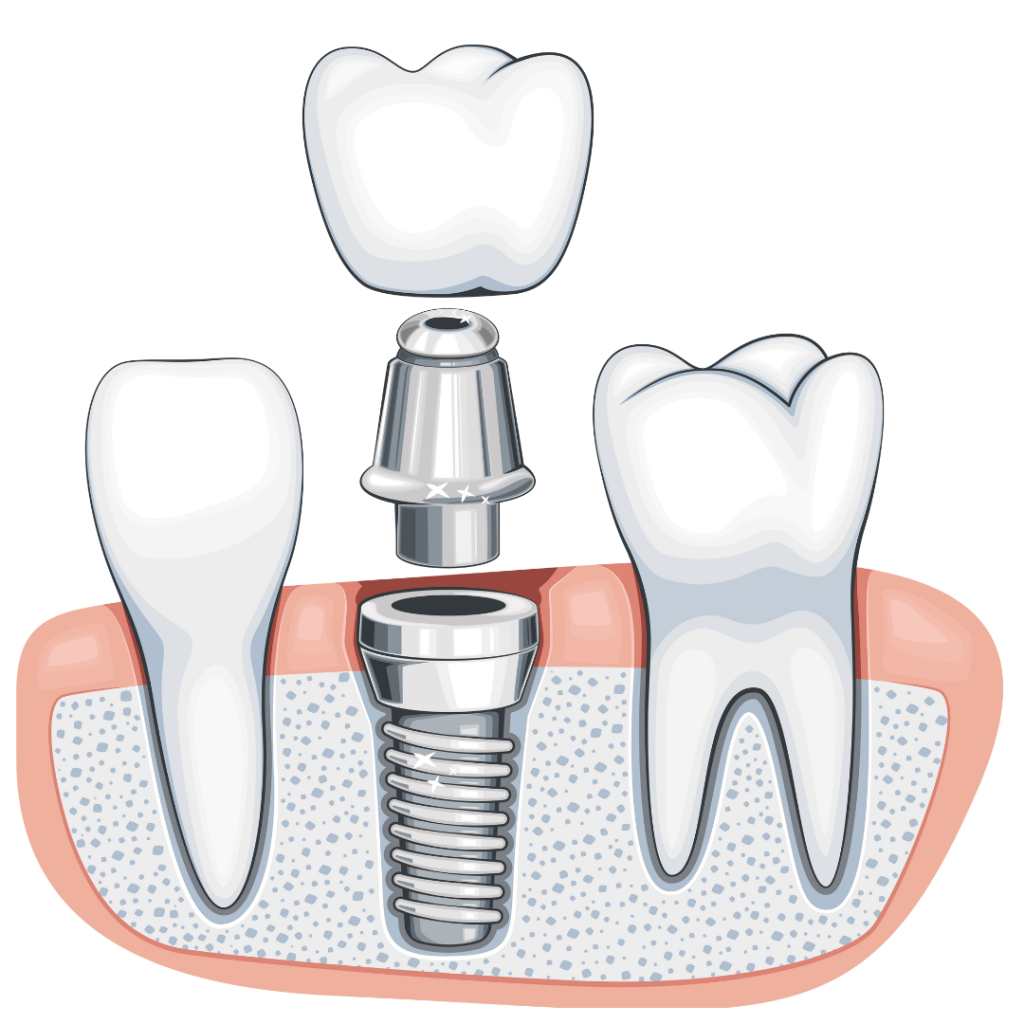
Transform Your Smile with Dental Implants in Washington, DC & Bethesda, Maryland

If you’ve lost one or more teeth, dental implants offer the most advanced and reliable solution. At our periodontist office in Washington DC and Bethesda, Maryland, we specialize in the surgical placement of dental implants, while your restorative dentist collaborates to complete your smile with a crown. This teamwork ensures precision, comfort, and long-lasting results.

Transform Your Smile with Dental Implants in Washington, DC & Bethesda, Maryland Read More »

Please select the location you’d like to visit

Washington, DC

1828 L St NW Suite 860 Washington, DC 20036

Bethesda, MD

5626 Shields Dr, Bethesda, MD 20817

Please select the location you’d like to visit

Washington, DC

1828 L St NW, Suite 860 Washington, DC 20036

Bethesda, MD

5626 Shields Drive, Bethesda, MD 20817

Leave us a Review!

(Formerly Known as District Perio)

(Formerly Known as Bethesda Dental Implant Center)

Play Video