Blog

Gum Grafting After Dental Implants

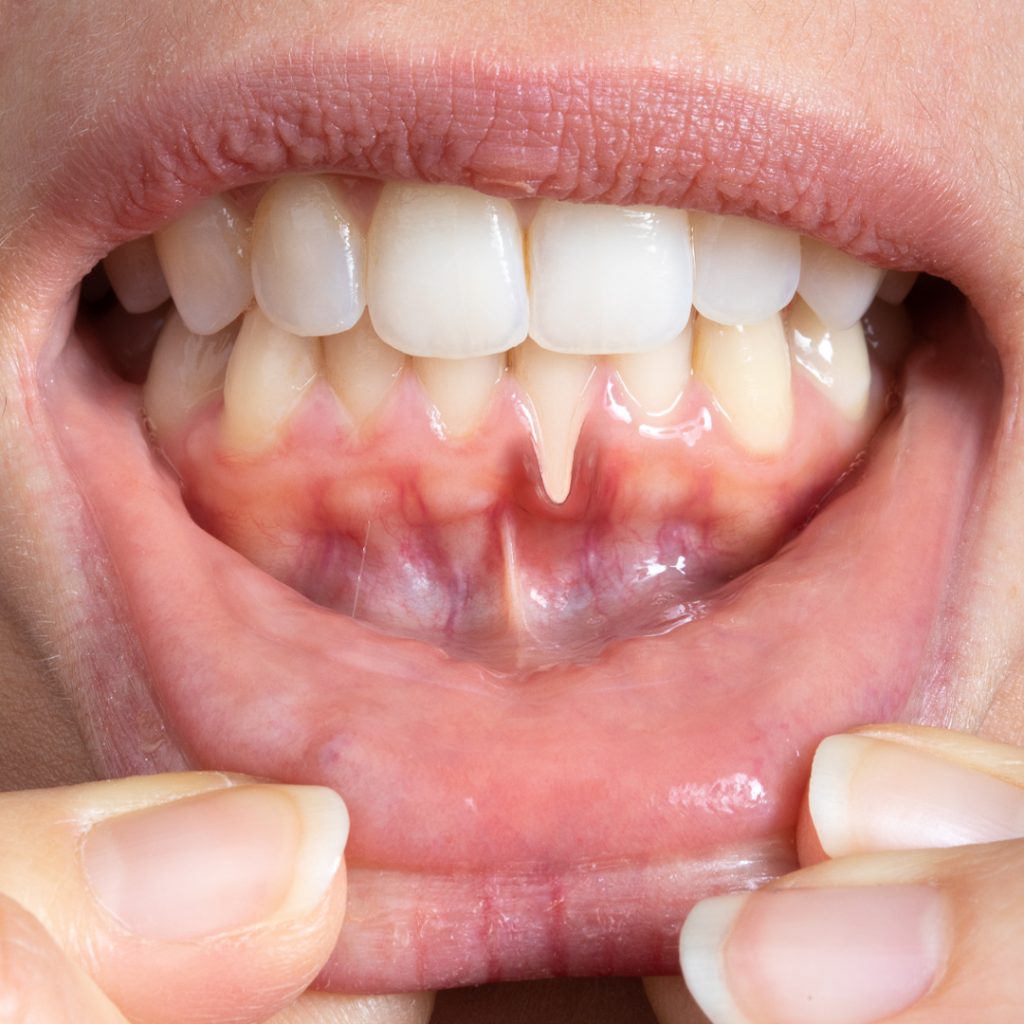
Gum Graft Around Dental Implants Dental implants are designed to be a long-term solution, but their success depends on more than just the implant itself. Healthy gum tissue around natural teeth is important. Around implants, it’s even more critical. When gum tissue is thin or weak, it can recede over time. Around implants, this recession often leads to the gray or metallic color of the implant showing through the gums. While this can be a cosmetic concern, it’s also a functional one that can affect long-term implant health. Why Gum Recession Can Happen Around Dental Implants? Gum recession around implants doesn’t happen for just one reason. It’s usually a combination of factors, including: Implant placement – The position and angle of the implant can influence how the surrounding tissue behaves over time. Gum health at the time of implant placement – Thin or insufficient gum tissue from the start increases the risk of future recession. Genetics – Some patients naturally have thinner gum tissue, making them more prone to recession regardless of oral hygiene. When the tissue thins and pulls away, the implant surface underneath can become visible. This is often when patients start noticing a grayish hue near their implant. What Is Gum Grafting For Dental Implants? Gum grafting after dental implants is performed to thicken and strengthen the tissue around the implant, creating a healthier and more stable environment. One commonly used technique is a free gingival graft, which adds a band of thick, protective gum tissue in areas where it is lacking. This type of graft helps: Reduce the risk of further gum recession Improve long-term implant stability Create tissue that is easier to keep clean Protect the bone and implant underneath Gum grafting can be performed around: A single dental implant Multiple implants Implants used in All-on-X or full-arch restorations Anywhere there is a deficiency in thick, healthy gum tissue, a free gingival graft may be an option. Patient Case: Gum Grafting Around an Implant Video: Dr. Raha Yousefi Explains a Real Patient Case This patient had dental implants placed, and over time, began to notice the implant becoming visible as the gum tissue thinned and receded. When gum tissue is naturally thin or lacks adequate thickness, it can gradually pull away from the implant, allowing the gray color or metal of the implant to show through. https://youtube.com/shorts/LmcfiLcAdpk To prevent additional recession and strengthen the area, this patient was an excellent candidate for a free gingival graft. In this case, the graft was performed around an implant that is part of an All-on-X fixed denture, where multiple implants support a full set of fixed teeth. A free gingival graft can be performed anywhere a patient lacks adequate thick, healthy gum tissue. By thickening the tissue around the implant, we create a stronger, healthier environment that helps protect the implant long term. It’s important to note that while a free gingival graft can significantly thicken the tissue above the implant, it cannot fully cover the implant itself. Dental implants are made of titanium and do not have a blood supply, which means new gum tissue cannot attach directly to the implant surface. Instead, the graft is placed in areas with a blood supply to reinforce and stabilize the surrounding tissue. After the graft, there is a healthier, thicker band of gum tissue, and although the implant is not fully covered, the overall tissue position and quality are greatly improved. What a Gum Graft Can (and Can’t) Do Around Implants Dental implants are made of titanium, which has no blood supply. Because of this: New gum tissue cannot bond directly to the implant surface The graft is placed above the implant, where there is blood supply By thickening the tissue above the implant, we can protect the area, improve stability, and maintain healthier gums long-term. Before and After: What Changes With a Free Gingival Graft Before treatment: The gum tissue was very thin The implant appeared gray beneath the gums After the free gingival graft: A strong band of thick, healthy gum tissue developed While the implant itself wasn’t fully covered, the tissue settled lower The area became more stable and better protected This thickened tissue helps prevent additional recession and supports the long-term success of the implant. Gum Grafting After Implants: A Proactive Step Gum grafting after dental implants isn’t just about appearance. It’s about protecting your investment and maintaining healthy tissue for years to come. Whether you have a single implant, multiple implants, or an All-on-X restoration. A free gingival graft can be performed wherever gum tissue is insufficient. If you’ve noticed gum recession, thinning tissue, or metal showing around your implant, a periodontal evaluation can help determine whether gum grafting is the right next step for you.

Gum Grafting After Dental Implants Read More »

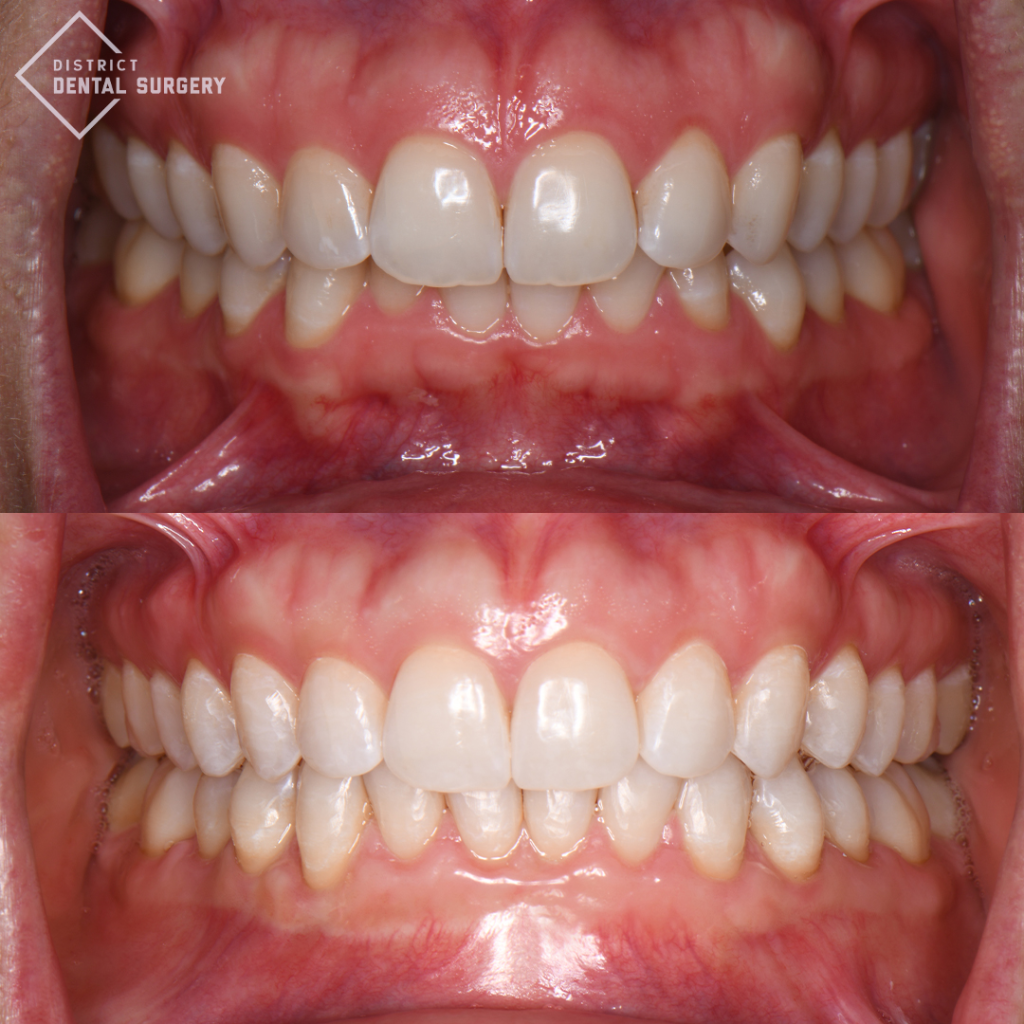
How SFOT Cut This Patient’s Invisalign Treatment Time in Half — And Fixed His Gum Recession

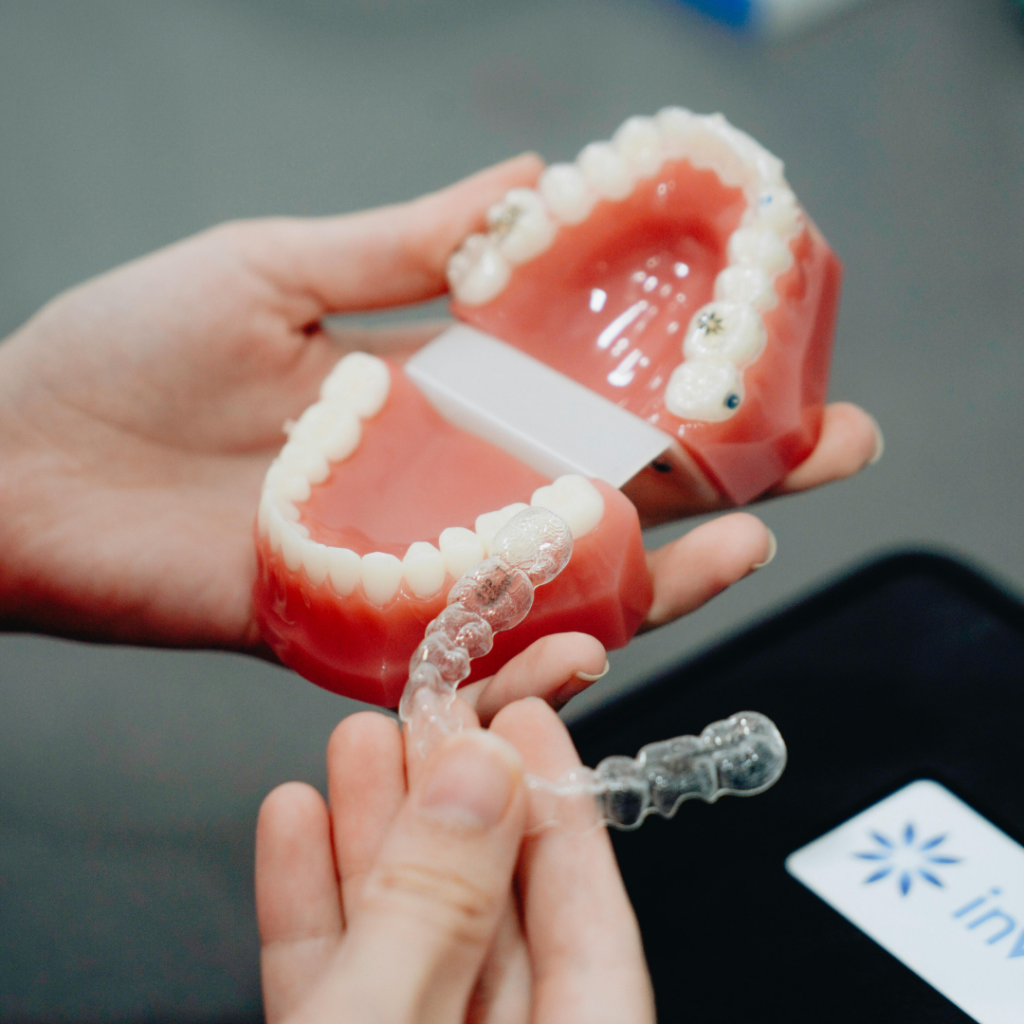
If you’re considering clear‑aligner treatment like Invisalign but you have thin gum and bone tissue, you may be worried about recession, bone loss or long treatment times. We specialize in treating exactly these kinds of cases by bringing together periodontal surgery and orthodontic care.

How SFOT Cut This Patient’s Invisalign Treatment Time in Half — And Fixed His Gum Recession Read More »

Transform Your Smile with Dental Implants in Washington, DC & Bethesda, Maryland

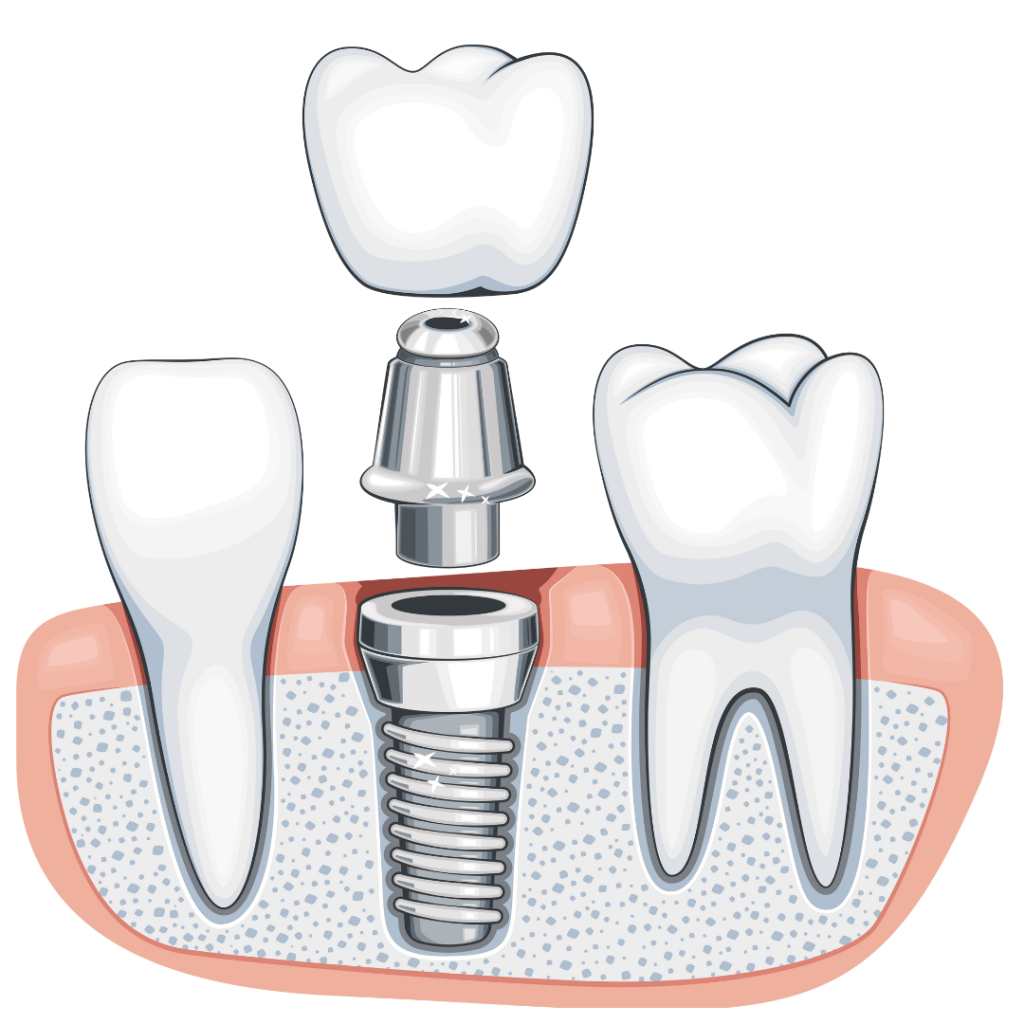
If you’ve lost one or more teeth, dental implants offer the most advanced and reliable solution. At our periodontist office in Washington DC and Bethesda, Maryland, we specialize in the surgical placement of dental implants, while your restorative dentist collaborates to complete your smile with a crown. This teamwork ensures precision, comfort, and long-lasting results.

Transform Your Smile with Dental Implants in Washington, DC & Bethesda, Maryland Read More »

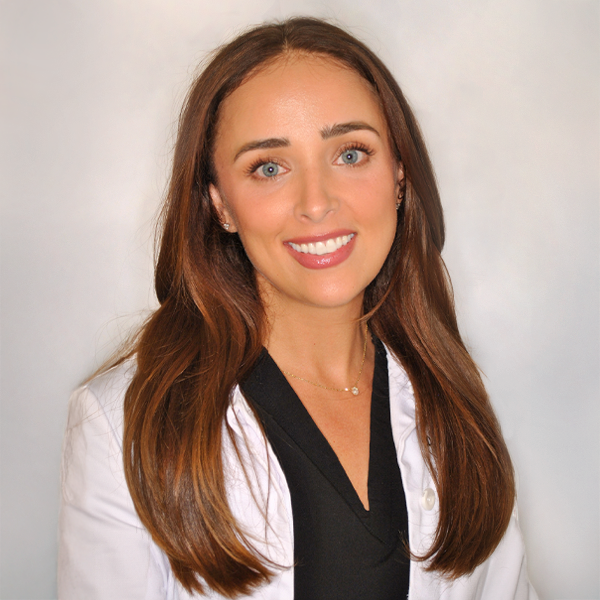
Meet Dr. Lucy Johnson, Board-Certified Periodontist in Washington, DC

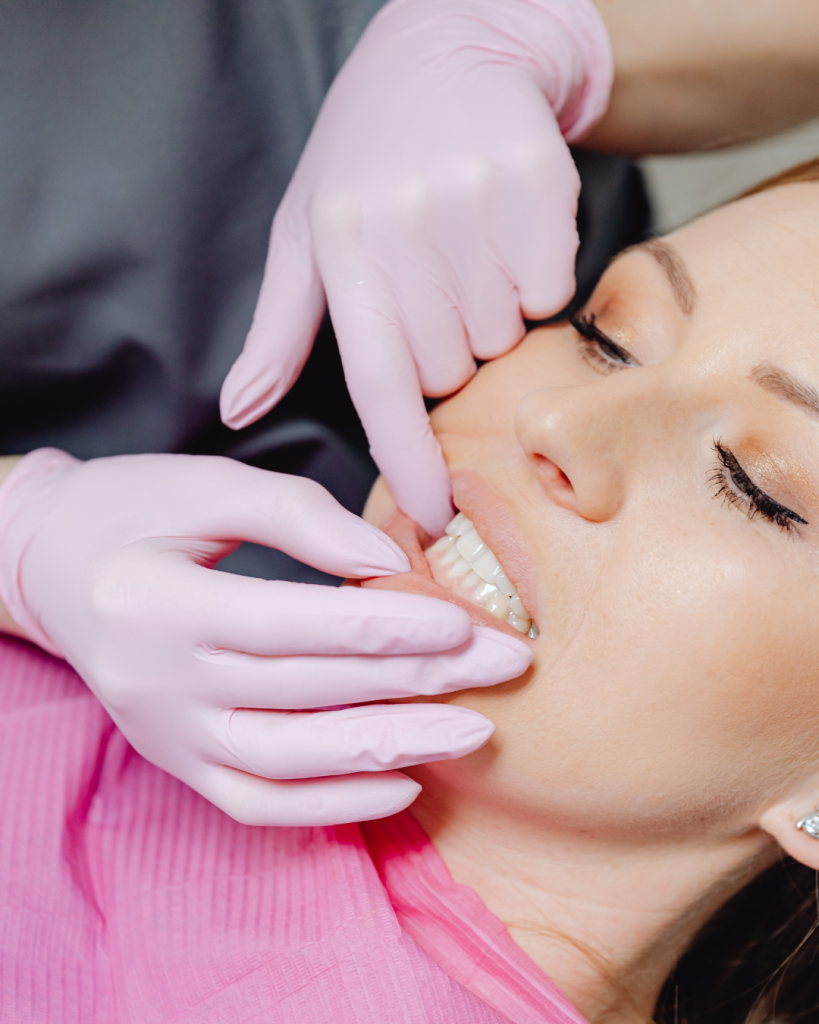
Dr. Lucy Johnson is a board-certified periodontist at District Dental Surgery in Washington, DC, where she provides expert care in periodontal procedures and dental implants. She serves patients across the DC metro area, Northern Virginia, and Maryland, combining advanced clinical training with a compassionate, patient-focused approach. In this blog post, you’ll get to know Dr. Johnson’s background, education, and clinical interests. Whether you’re a new patient or were referred to our office for specialty treatment, this is a great way to learn more about the expert behind your care. About Dr. Lucy Johnson Dr. Johnson was born and raised in East Lansing, Michigan, and graduated from the Honors College at Michigan State University with a degree in Chemistry. She went on to earn her Doctorate of Dental Surgery from the University of Maryland School of Dentistry, where she graduated with honors and received the Dental Implant Student Award from the AAOMS. After dental school, Dr. Johnson completed a General Practice Residency at the Ann Arbor Veterans Affairs Hospital, where she gained broad experience in complex dental care. She then practiced as a general dentist before pursuing specialty training in periodontics at the Eastman Institute for Oral Health in Rochester, New York. While at Eastman, Dr. Johnson received numerous awards and recognitions. She was honored to be chosen as the Chief Resident of her department. She earned national recognition for her research on antidepressants and dental implants, which was published in the Journal of Periodontology. She also received the 2024 Graser Award at the American Association for Dental Research Conference for a groundbreaking SFOT (Surgically Facilitated Orthodontic Therapy) case, later published in The Journal of Clinical Periodontology and presented at conferences around the world. Dr. Johnson is a Diplomate of the American Board of Periodontology and is an active member of several dental, periodontal, and implant organizations. Beyond the Office Outside of dentistry, Dr. Johnson enjoys cooking, gardening, slalom water skiing, golfing, and spending time with her husband and their Australian shepherd, Archie. She is excited to return to the DMV area and looks forward to meeting patients and getting involved in the local community. Book Your Consultation Today We feel fortunate to have Dr. Johnson join our team and know our patients will appreciate her expertise and warm approach to care. Please join us in giving her a warm welcome! If you’d like to schedule a consultation, please contact our Washington, DC office at 202-831-3298 or email DC@DDSurgery.com Book Online

Meet Dr. Lucy Johnson, Board-Certified Periodontist in Washington, DC Read More »

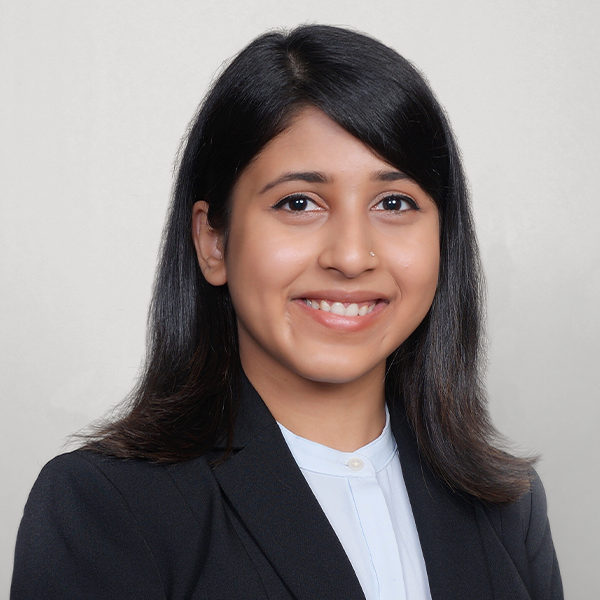
Meet Dr. Dr. Syeda Mahbub, Periodontist, at District Dental Surgery Bethesda

We’re excited to welcome a new face to our Bethesda team at District Dental Surgery: Dr. Syeda Mahbub, a highly skilled and compassionate periodontist who brings both expertise and warmth to every patient interaction. She will be working alongside Dr. Raha Yousefi and Dr. Roy Eskow. Dr. Mahbub joins us with a strong background in advanced periodontal care, including gum disease treatment, soft and hard tissue grafting, and dental implant placement. She’s known for her meticulous attention to detail and for building strong, collaborative relationships with her patients—making even the most complex treatments feel approachable and personalized. Originally from New York, Dr. Mahbub earned her undergraduate degree in Cell and Developmental Biology from the University of Rochester. She then went on to complete both her dental degree and specialty training in periodontics at Stony Brook University School of Dental Medicine. Her exceptional clinical skills were recognized early on when she received the American Academy of Periodontology’s Dental Student Award for Outstanding Achievement in Periodontics. Dr. Mahbub believes that great care starts with understanding the whole patient—not just their teeth. Her thoughtful, holistic approach is a perfect fit for the level of care we strive to provide at District Dental Surgery. Beyond the Office Outside the clinic, Dr. Mahbub enjoys spending her free time taking long walks by the Baltimore harbor with her husband — usually with an ice cream in hand, thanks to her well-known sweet tooth. She’s also passionate about exploring new cultures and cuisines, and loves traveling to new countries whenever she gets the chance. Book Your Consultation Today We feel fortunate to have Dr. Johnson join our team and know our patients will appreciate her expertise and warm approach to care. Please join us in giving her a warm welcome! If you’d like to schedule a consultation, please contact our Bethesda, MD office at 301-450-8577 or email MD@DDSurgery.com Book Online

Meet Dr. Dr. Syeda Mahbub, Periodontist, at District Dental Surgery Bethesda Read More »

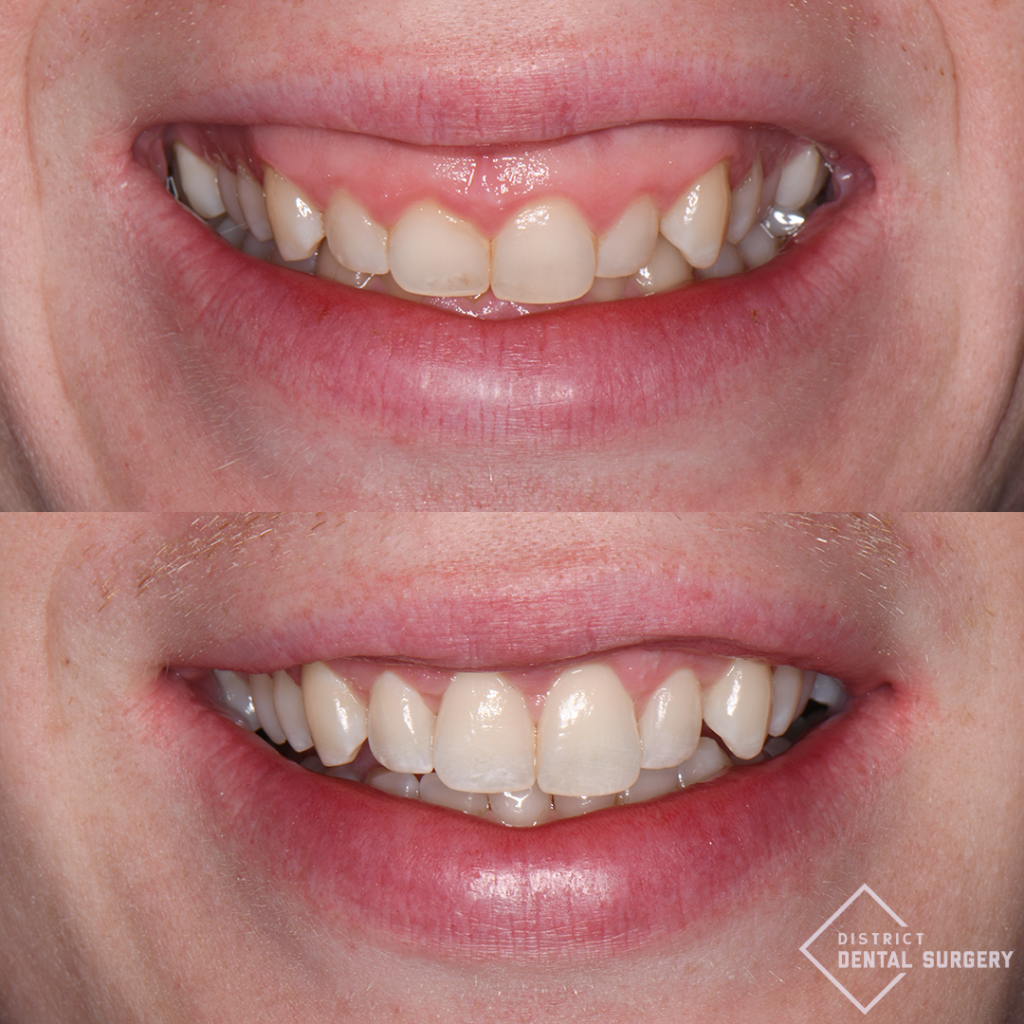
Transform Your Gummy Smile with Aesthetic Crown Lengthening

Do you feel like too much gum shows when you smile? If your teeth look short or hidden, even if they’re healthy, you might have what’s known as a gummy smile, and you’re not alone. At District Dental Surgery, our periodontists specialize in aesthetic crown lengthening to reshape the gumline and reveal more natural tooth structure for a balanced, confident smile. With offices in Washington, DC and Bethesda, Maryland, we help patients across DC, Northern Virginia, and Maryland transform their gummy smiles with expert care. In this blog post, we’ll explain how aesthetic crown lengthening works, who it’s right for, what to expect during recovery, and how it fits into a complete smile makeover. What Is a Gummy Smile? A “gummy smile” isn’t just about how it looks. It happens when excess gum tissue and sometimes bone cover the teeth, making them appear smaller than they actually are. This can throw off the proportions of your smile and make you feel self-conscious, even if your teeth are perfectly healthy. Several factors can cause this: Extra gum tissue covering part of the teeth Teeth that didn’t fully emerge through the gums Overactive lip muscles that lift the upper lip higher Excess bone around the teeth No matter the cause, Aesthetic Crown Lengthening can help. How Aesthetic Crown Lengthening Fixes a Gummy Smile Aesthetic crown lengthening removes and reshapes the excess gum tissue (and, when needed, the bone beneath it) to uncover more of your natural tooth structure. This allows your teeth to look longer and more balanced, without changing the teeth themselves. Think of it as contouring for your gumline. In just one visit, we can significantly transform your smile and boost your confidence. This treatment is performed by a periodontist, a specialist who focuses on gums and bone support. By precisely removing excess tissue, your smile instantly looks longer and more proportioned. What to Expect After Aesthetic Crown Lengthening Recovery is usually quick and manageable. You may experience some mild swelling or tenderness for a few days, but most patients are back to their usual activities soon after treatment. We provide: Detailed aftercare instructions Follow-up visits to check healing Support from our team every step of the way Our goal is not just to improve your smile, but to make sure you feel cared for during the entire process. Watch Dr. Yousefi Explain Gummy Smiles & Crown Lengthening Want to see exactly how it works? In this video, Dr. Raha Yousefi breaks down everything you need to know about gummy smiles and how we correct them using aesthetic crown lengthening. Using two real patient cases, she explains: What a gummy smile is Why extra gum and bone tissue can make teeth look short or hidden How crown lengthening reshapes the gumline and bone for longer, more balanced teeth What you can expect during recovery https://youtu.be/HwiArkmP3t4 Is Aesthetic Crown Lengthening Right for You? If you’ve ever looked in the mirror and felt like your smile shows “too much gum,” this could be the perfect solution. The best part? It’s a permanent fix—once the tissue is reshaped, it won’t grow back. We recommend a consultation with our periodontist, Dr. Raha Yousefi, who will evaluate your gum and bone structure and walk you through what’s possible. Book Your Consultation Today Don’t let a gummy smile hold you back. With aesthetic crown lengthening, you can achieve a more balanced, confident, and natural-looking smile—often in just one visit. 📍 Visit us at District Dental Surgery in Washington, DC or Bethesda, MD Book Online

Transform Your Gummy Smile with Aesthetic Crown Lengthening Read More »

What to Eat After Gum Grafting Surgery: Foods You Can & Can’t Eat

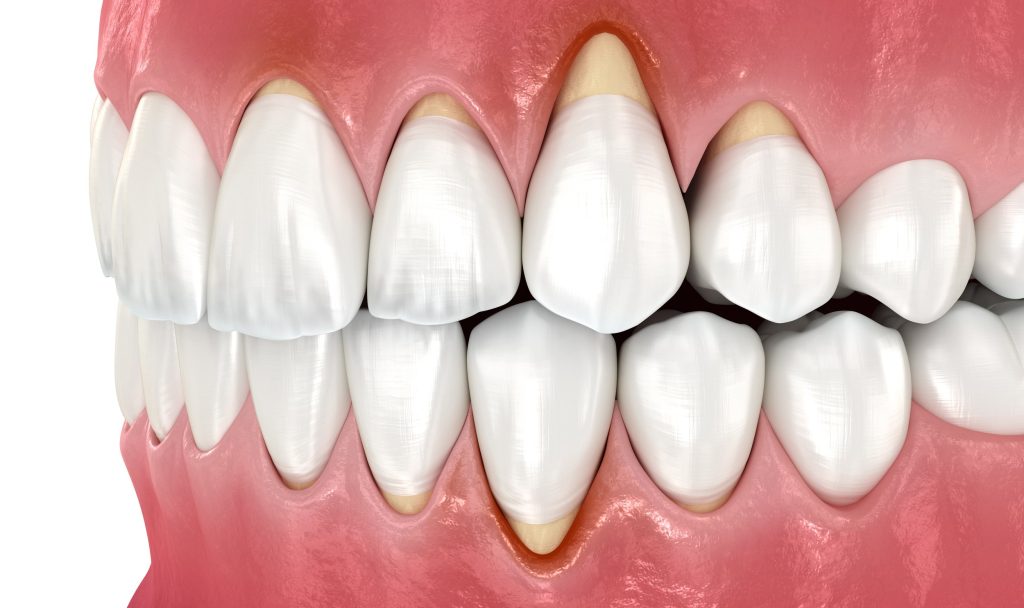
Eating the right foods after gum grafting surgery is one of the best ways to protect your healing and stay comfortable during recovery. At our periodontal offices in Washington, DC and Bethesda, Maryland, we guide patients throughout DC, Northern Virginia, and Maryland through every step of the healing process—including what to eat and what to avoid. In this blog post, you’ll find a complete list of soft, healing-friendly foods you can safely enjoy after your gum graft, plus important tips on what not to eat to avoid pain or complications. Whether you’ve just had surgery or are preparing for treatment, this guide will help you recover smoothly and confidently. Why Your Post-Surgery Diet Matters Your diet during the first two weeks can make a big difference in how comfortably—and how successfully—you heal. After a gum graft, your tissue is delicate and healing. You’ll want to stick to soft, mild foods that don’t put pressure on the graft or get lodged under the sutures. Eating the wrong things—like crunchy, spicy, or hot foods—can irritate the area, increase your risk of infection, and even interfere with the success of the procedure. https://youtube.com/shorts/02N4sNC2Ed8 (Video of Dr. Raha Yousefi) Gum Graft Diet Timeline & Approved Foods ✅ 1–3 Days After Surgery:  Stick to soft, cool, and non-irritating foods: Ice cream or sorbet (no nuts or chewy mix-ins) Smoothies (no seeds or chunks) Applesauce Mashed potatoes Scrambled eggs Yogurt (plain or without fruit chunks) Protein shakes Broths and blended soups (lukewarm or cold) 4–7 Days After Surgery:  You may begin to slowly incorporate more variety while keeping food soft: Soft pasta Cooked, soft vegetables (squash, zucchini, potatoes) Soft fruits (bananas, canned fruits, avocado) Tender cooked meats (shredded chicken, ground turkey, ground beef) Soft fish (white fish or salmon) Cottage cheese or soft cheeses 1-4 Weeks After Surgery:  As healing progresses, you can slowly return to a more normal diet, while continuing to be cautious and still avoiding anything too hard or sharp: Most cooked vegetables and fruits Soft grains and pasta Lean meats and poultry Eggs, tofu, beans Soft sandwiches (no crusty bread) Soft snacks like muffins or banana bread Foods You Should AVOID During Healing 🚫⚠️ Category Examples Why? Crunchy/Hard Chips, pretzels, popcorn, raw carrots, nuts, bagels, jerky Sharp edges can tear graft Sticky Caramels, peanut butter, gummy candy, chewing gum Excess force pulls stitches Seedy/Grainy Quinoa, sesame seeds, poppy seeds, chia, strawberries Seeds lodge under tissue Spicy/Acidic Hot sauces, spicy salsas, citrus, tomatoes Burns & could prolong bleeding Alcohol & Smoking All tobacco products and alcohol (wine, beer, etc) Dehydrates, slows healing, and affects the success of the procedure Other Food & Recovery Tips: If you can, use the opposite side of your mouth when eating.  Don’t use straws —use a spoon instead of a straw to avoid suction pressure. Prep meals ahead: cook, blend, and portion before surgery day. Brush gently around the surgical area only when advised by your provider. Stay hydrated with water throughout the day. Blend, mash, or over-cook. If a fork can’t cut it, your graft won’t like it. Rule of thumb: If you can smash it with a fork, you can eat it. Steamed carrot? Yes. Raw carrot? Not yet. Eating soft, nutrient‑rich foods for the first two weeks safeguards your graft and speeds up healing. When in doubt, choose something you can cut with a spoon—and call District Dental Surgery if you’re unsure. Ready to start your recovery on the right bite? Schedule an appointment today! Book Online

What to Eat After Gum Grafting Surgery: Foods You Can & Can’t Eat Read More »

Please select the location you’d like to visit

Washington, DC

(Formerly Known as District Perio)

1828 L St NW Suite 860 Washington, DC 20036

Bethesda, MD

(Formerly Known as Bethesda Dental Implant Center)

5626 Shields Dr, Bethesda, MD 20817

Please select the location you’d like to visit

Washington, DC

(Formerly Known as District Perio)

1828 L St NW Suite 860 Washington, DC 20036

Bethesda, MD

(Formerly Known as Bethesda Dental Implant Center)

5626 Shields Dr, Bethesda, MD 20817

Leave us a Review!

(Formerly Known as District Perio)

(Formerly Known as Bethesda Dental Implant Center)

Play Video